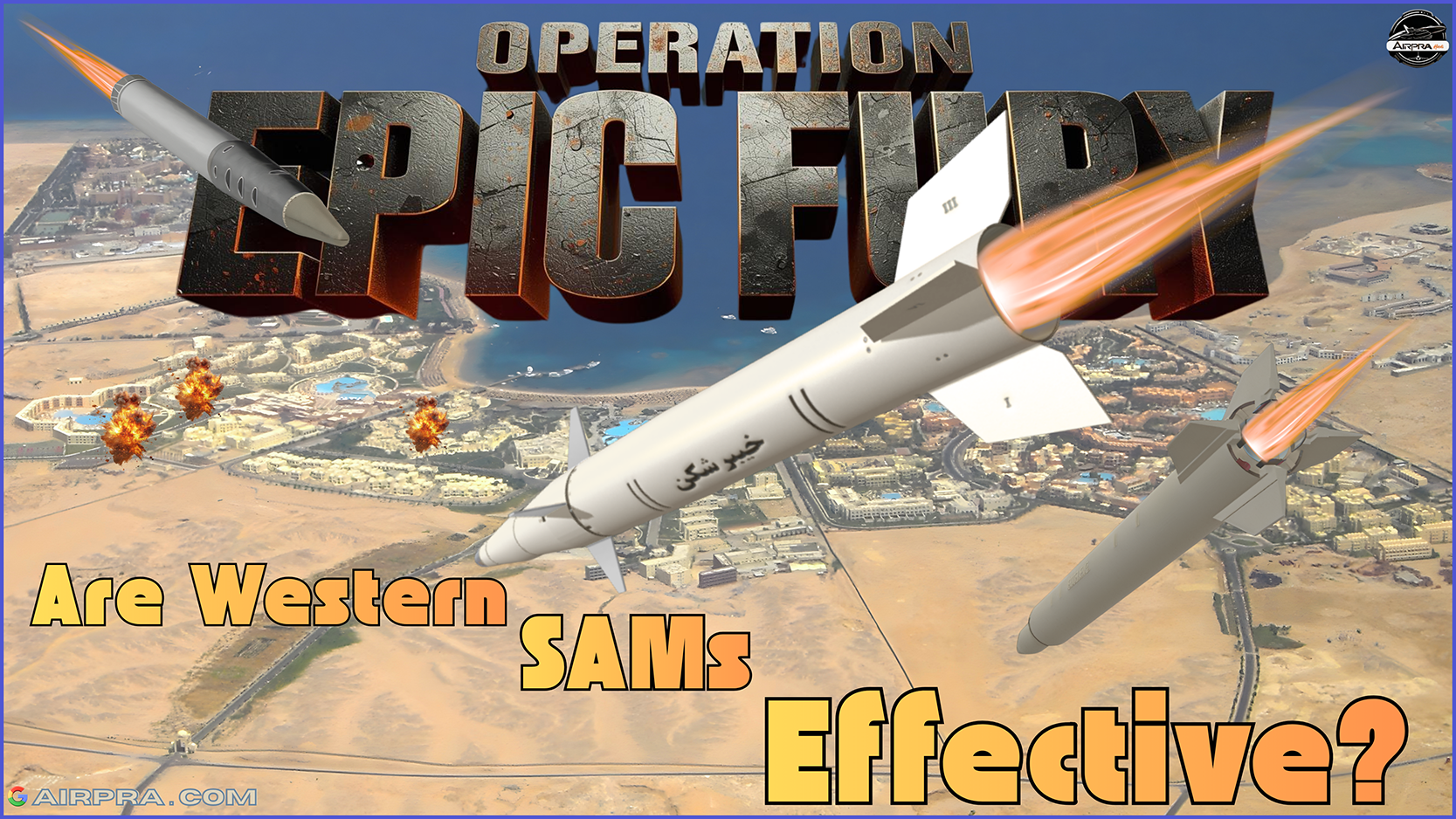
How Saudi, UAE & Qatar Stopped Iran’s Missile Storm showcases a high-intensity defence battle in which advanced radars and interceptors neutralised incoming threats, demonstrating the speed and coordination of modern air defence systems despite some critical damage.
How Effective Are Gulf Air Defence Systems Against Iran in March 2026?
In 2026, the Gulf region will have become a true combat testing ground for modern air defence systems. As Iran launches a mix of ballistic missiles and Shahed drones, countries like Saudi Arabia, the United Arab Emirates, and Qatar are actively defending their skies using some of the most advanced air defence networks ever deployed.
However, behind these impressive interception rates lies a far more complex reality: high-intensity engagements, persistent infrastructure damage, and even the loss of some of the world’s most sophisticated radar systems.
The real question is: how effective are these air defence systems in actual combat? Which major systems do Gulf nations such as Saudi Arabia, the UAE, and Qatar operate? And, more importantly, what are their limitations? Let’s break it down.
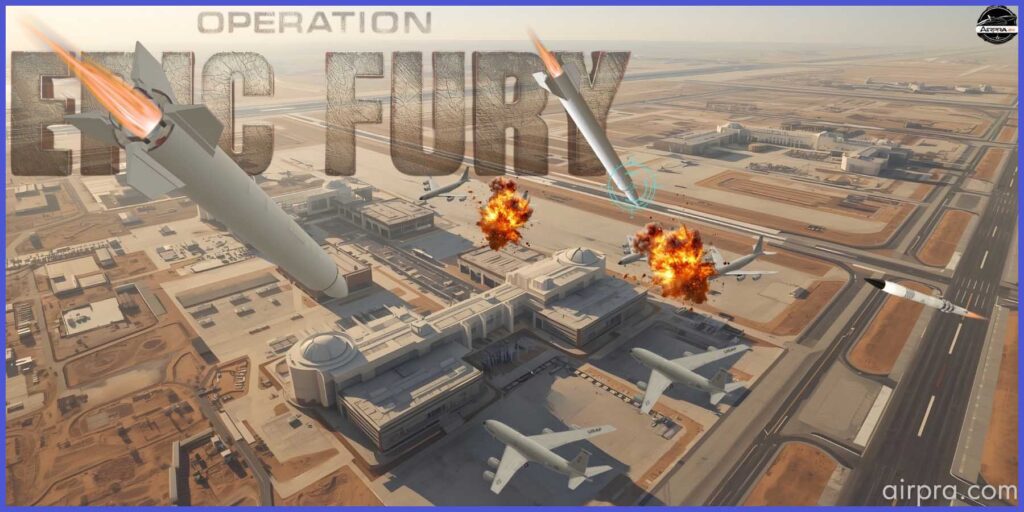
Saudi Arabia’s Air Defence Shield—and Its Hidden Vulnerabilities
Saudi Arabia operates the largest air defence network in the region, built primarily around the MIM-104 Patriot and supported in key sectors by THAAD. These systems are backed by long-range detection from the AN/TPY-2, forming a layered shield over cities and critical oil infrastructure.
Saudi Arabia operates the largest air defence network in the region, built primarily around the MIM-104 Patriot and supported in key sectors by THAAD. This layered architecture is further strengthened by short- and medium-range systems such as the MIM-23 Hawk and Crotale systems, all backed by long-range detection from the AN/TPY-2.
Together, they form a multi-layered shield over cities and critical oil infrastructure.

In March 2026, Saudi forces intercepted multiple Iranian ballistic missiles targeting Riyadh, along with numerous drones aimed at oil facilities. However, the scale of attacks has exposed vulnerabilities. Some drones and low-altitude threats have penetrated defences, causing fires and infrastructure damage.
More critically, Iranian strikes have targeted radar systems linked to THAAD and Patriot batteries, degrading detection capability in certain sectors. This highlights a key operational reality—without radar, even the most advanced missile systems lose effectiveness.

UAE Air Defence Tested: 90% Interception—and the Threats That Got Through
The UAE operates the most advanced and combat-proven air defence network in the Gulf. Its system combines THAAD for high-altitude interception and MIM-104 Patriot PAC-3 for terminal defence, supported by the AN/TPY-2.
This layered architecture is further reinforced by systems like Hawk and the newer KM-SAM for medium-range defence, along with short-range systems such as Crotale and Pantsir, providing effective coverage against low-altitude cruise missiles and drone threats.

In March 2026, the UAE intercepted 175 ballistic missiles out of 189 tracked and 876 drones out of 941 detected, along with all 8 cruise missiles successfully neutralised. These figures reflect a sustained interception rate of over 90%, demonstrating the effectiveness of its layered air defence network built around THAAD and MIM-104 Patriot.
Despite this high success rate, some threats have penetrated, causing infrastructure damage and posing a risk to civilians. More importantly, Iranian strikes have also targeted radar and support systems, including sites linked to THAAD batteries.
Qatar Air Defence Performance: Interceptions, Saturation Limits, and Strategic Losses
Qatar’s air defence network is smaller but highly integrated, centred on the MIM-104 Patriot PAC-3 system and supported by U.S.-operated assets and regional radar coverage, including systems linked to the AN/TPY-2.
This architecture is reinforced by short- and medium-range systems such as NASAMS and Roland, providing layered protection against low-altitude drone and cruise-missile threats.
In the ongoing conflict, Qatar has intercepted dozens of Iranian ballistic missiles and a significant number of drones, including large-scale attack waves involving more than 60 incoming targets in a single engagement. However, the system has shown limitations under saturation pressure.
Despite these interceptions, some missiles and drones have penetrated the defences, causing damage to critical infrastructure—most notably at the Ras Laffan industrial zone, one of the world’s largest LNG facilities.
In addition, the most significant strategic loss has been the reported destruction of a major early-warning AN/FPS-132 at Al Udeid Air Base, one of the most capable radar systems in the Gulf.
Across the wider region, multiple radar sites have been targeted, directly impacting detection and engagement timelines. For Qatar, even limited leakage has high-impact consequences due to its compact geography and concentration of critical infrastructure.
Conclusion__ In March 2026, Gulf air defence systems have proven one thing clearly—they can stop most threats, but never all. Modern air defence isn’t about perfection—it’s about staying operational, managing resources, and prioritising what must be protected.
Because in real combat, victory isn’t measured by perfect interception—it’s measured by limiting damage, protecting critical infrastructure, and keeping the system functional when it matters most.
A Quick Message to Our Readers
Some details in our articles may change over time. For the most accurate and up-to-date information, we recommend consulting additional sources as well.
We’re passionate about providing you with trusted insights into military systems and global developments. Your support helps us continue this work. When you purchase through our affiliate links, you’re helping us grow while receiving high-quality products in return.
Your thoughts matter to us. If there’s a topic or defence system you’d like to learn more about, let us know in the comments—we’ll do our best to cover it. Thank you for being part of our journey. We appreciate your time and interest—happy reading!