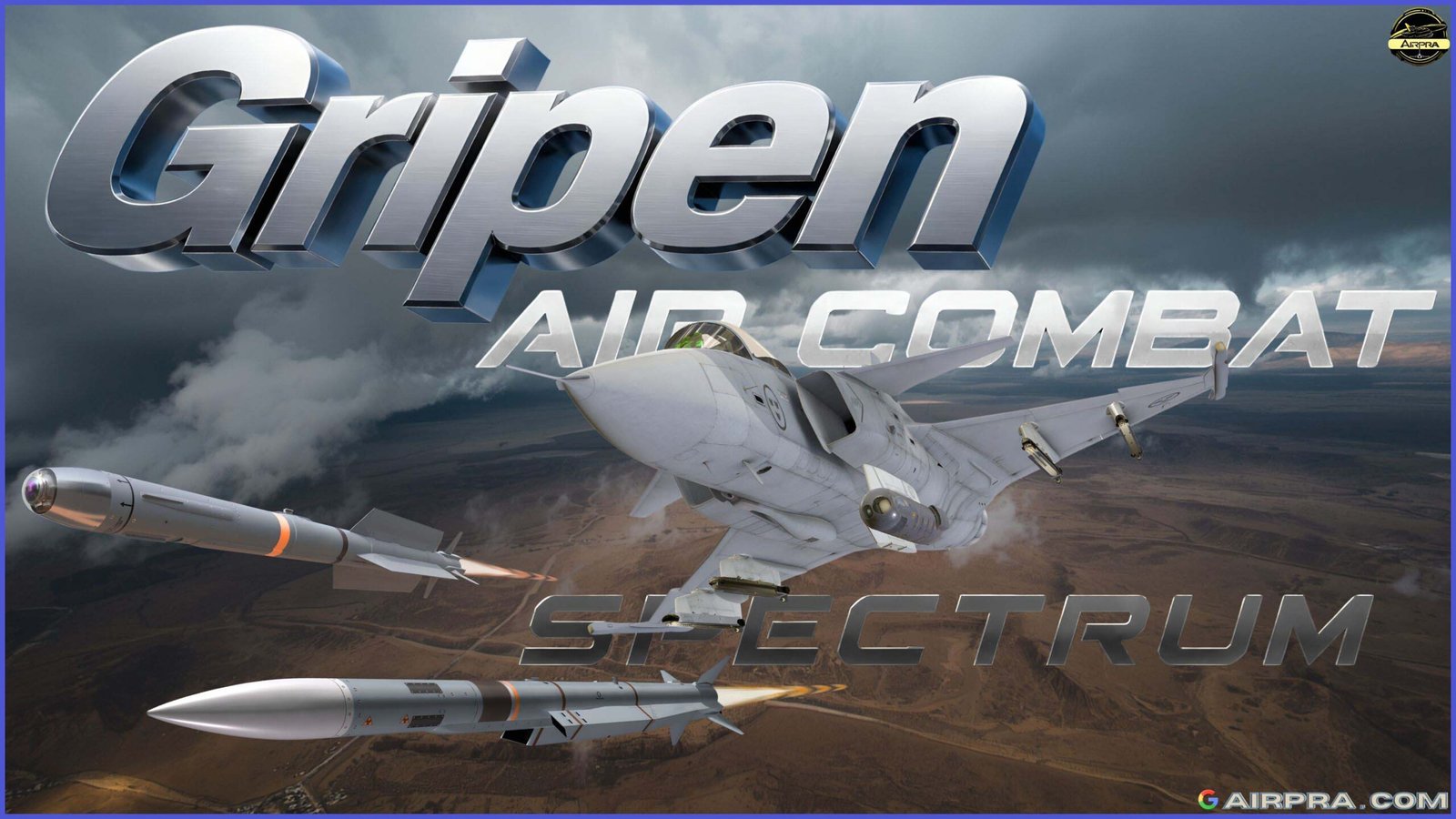
Every modern fighter is designed to excel in specific areas of aerial warfare, but only a handful are engineered to dominate the entire combat decision cycle. Why Gripen E Is Different From Every Other Fighter lies in its unique ability to seamlessly integrate advanced sensors, electronic warfare, sensor fusion, and long-range precision weapons into a single combat ecosystem that consistently stays one step ahead of the enemy.
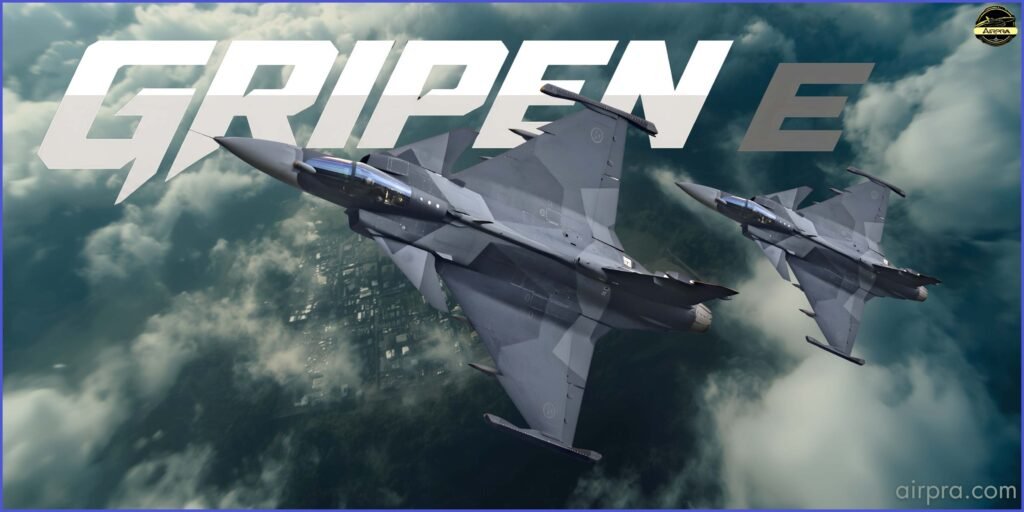
GRIPEN E/F – The Smartest Interceptor in the Sky
Thirty thousand feet above the clouds, an unidentified aircraft suddenly appears on military radar. Within seconds, an interceptor is scrambled. The pilot advances the throttle as the fighter accelerates into the sky.
Hundreds of kilometres away, the target has no idea it has already been detected. Before the opposing aircraft can even activate its own weapons, a missile is already racing toward it at several times the speed of sound. The interception is effectively over before a dogfight can even begin.
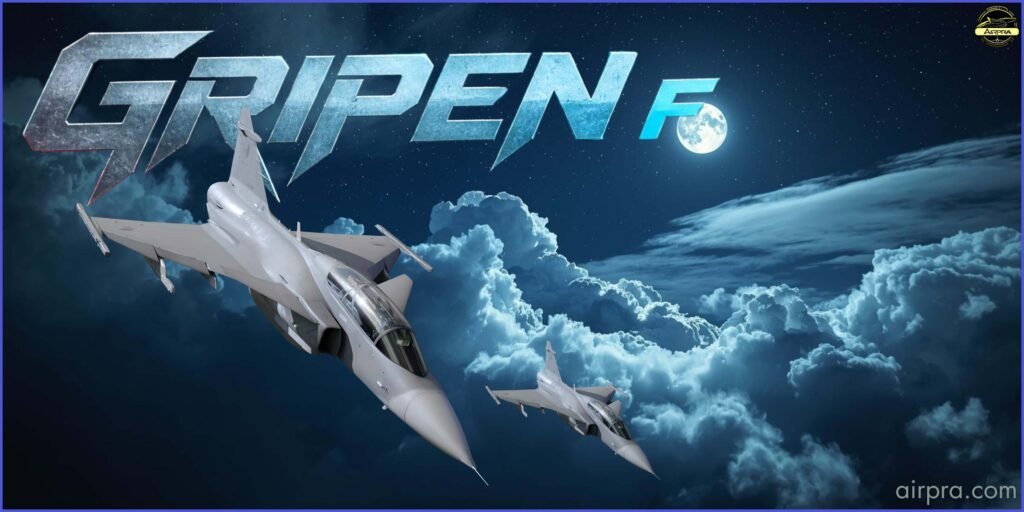
This is no longer science fiction. It is the reality of modern air combat, and one fighter has been engineered specifically for this style of warfare—the Saab Gripen E and its twin-seat counterpart, the Gripen F.
Today’s air battles are no longer won simply by the fastest fighter or the one carrying the largest missile load. Victory belongs to the aircraft that can detect the enemy first, process battlefield information faster, and engage before the opponent even realises the threat.
Rather than relying primarily on stealth, Saab pursued a different philosophy. The Gripen E was designed to become one of the smartest and most adaptable multirole fighters ever developed. Powered by the General Electric F414 engine, it carries more internal fuel, significantly greater computing power, and a larger payload than previous Gripen variants.
Yet despite these advancements, it retains one of its defining strengths—the ability to operate from short stretches of highway and dispersed bases, allowing combat operations to continue even if conventional airfields come under attack.
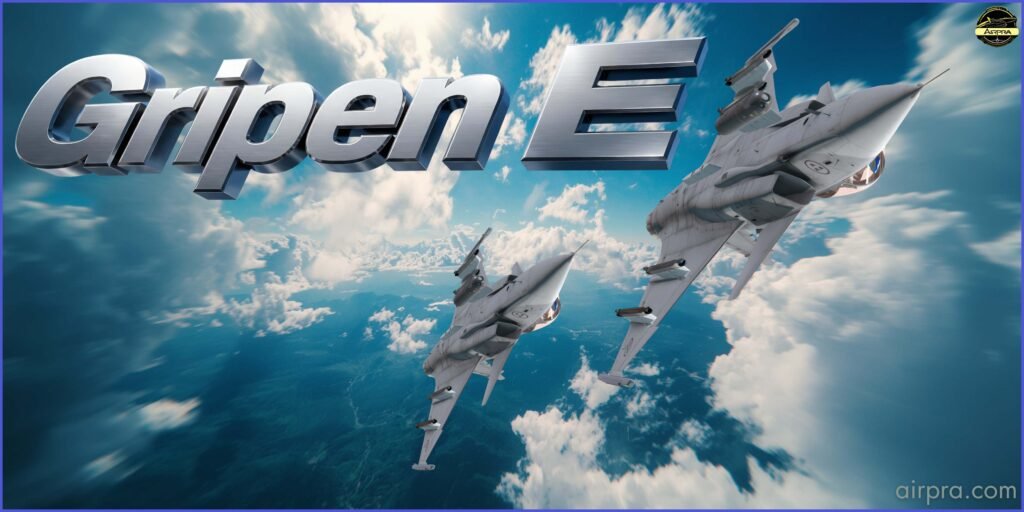
However, the Gripen’s greatest strength does not lie beneath its engine cowling—it lies within its digital architecture. Advanced mission computers continuously fuse information from the ES-05 Raven AESA radar, the Skyward-G Infrared Search and Track (IRST) system, electronic warfare sensors, and secure tactical datalinks into a single, comprehensive tactical picture.
When required, the aircraft can further enhance its survivability through systems such as the Electronic Attack Jammer Pod (EAJP) and Expendable Active Decoys (EADs), designed to disrupt, deceive, or saturate hostile sensors and incoming threats.
Working together, these capabilities enable the Gripen to identify, prioritise, and respond to the most dangerous threats within seconds, significantly reducing the pilot’s cognitive workload during combat.
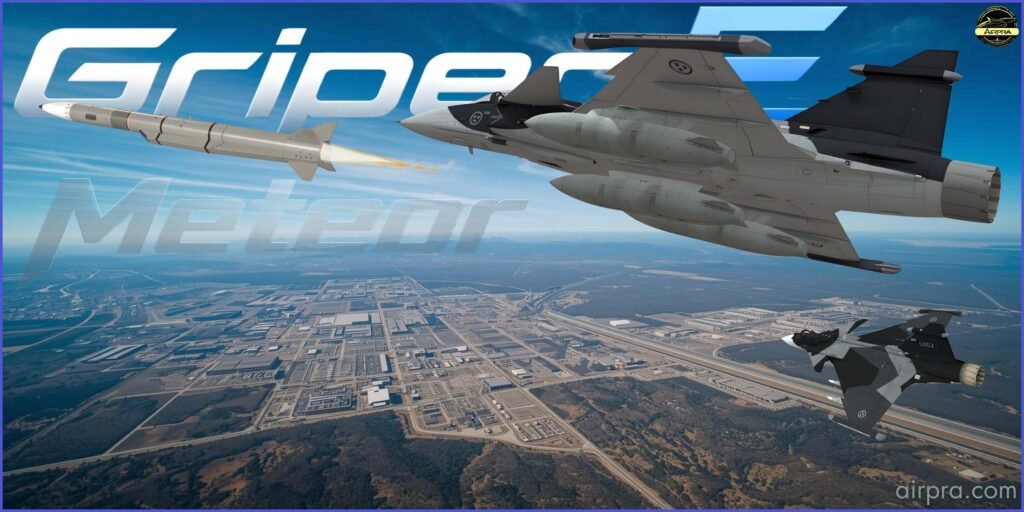
With all these technologies working together, the pilot can concentrate on the mission rather than managing individual systems—detecting the target, maintaining situational awareness, and engaging at the most advantageous moment. For that decisive first strike, the Gripen relies on one of the world’s most capable beyond-visual-range air-to-air missiles: the Meteor.
Meteor – The Long Arm of the Gripen
The greatest victory in aerial combat is achieved long before opposing fighters ever come within visual range. That is precisely why the Meteor has earned its reputation as one of the world’s most capable beyond-visual-range air-to-air missiles.
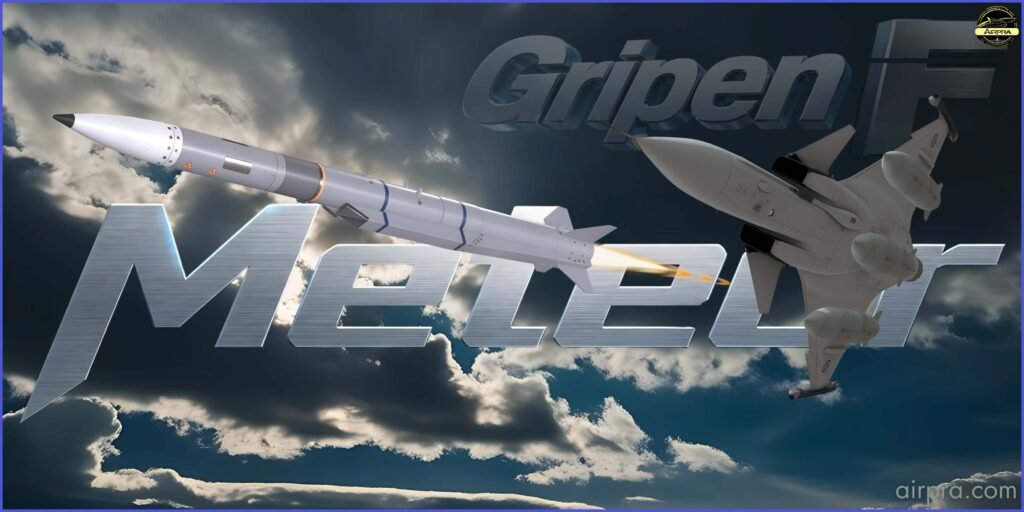
Unlike conventional rocket-powered missiles that rapidly lose energy after their rocket motor burns out, the Meteor is powered by a solid-fuel ramjet propulsion system. Rather than expending all of its energy during the initial boost phase, it continues generating thrust throughout most of its flight.
This enables the missile to maintain exceptional speed, energy, and manoeuvrability even during the terminal phase of an engagement, creating an exceptionally large No-Escape Zone and leaving enemy pilots with very limited opportunities to evade interception.
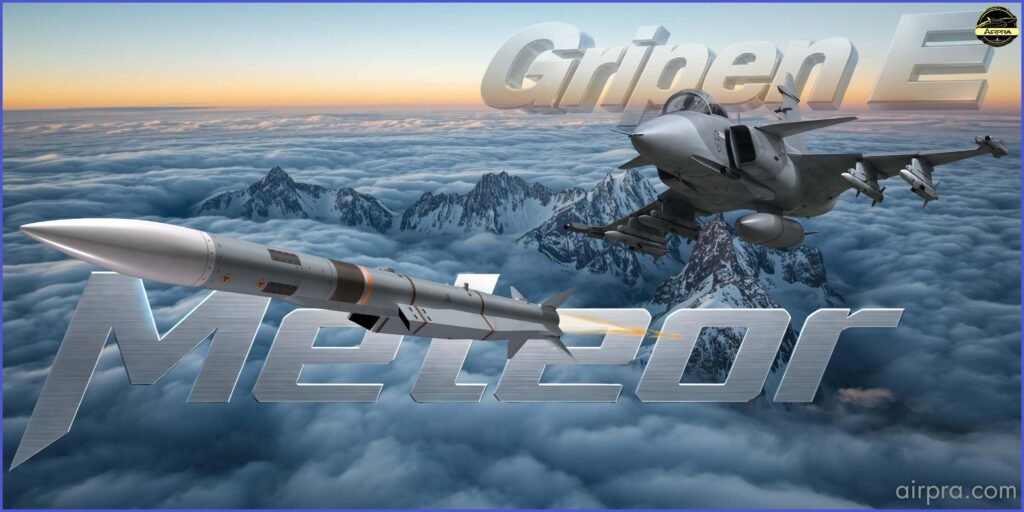
Integrated with the Gripen’s ES-05 Raven AESA radar, advanced sensor fusion, and secure tactical datalinks, the Meteor continues receiving updated target information even after launch.
If the target manoeuvres aggressively or attempts to disengage, the Gripen can transmit mid-course guidance updates until the missile’s own active radar seeker takes control during the final stage of flight. This seamless integration enables the aircraft to engage hostile fighters at extended ranges while remaining outside the opponent’s most effective engagement envelope.
However, modern air combat rarely follows a predictable script. Not every engagement is decided beyond visual range. If an opponent survives the initial missile exchange and manages to close the distance, the battle immediately transitions into an entirely different phase—one where extreme agility, split-second reactions, and high off-boresight targeting become decisive.
This is where the Gripen turns to another formidable weapon: the exceptionally agile IRIS-T.
IRIS-T: The Master of Close Combat
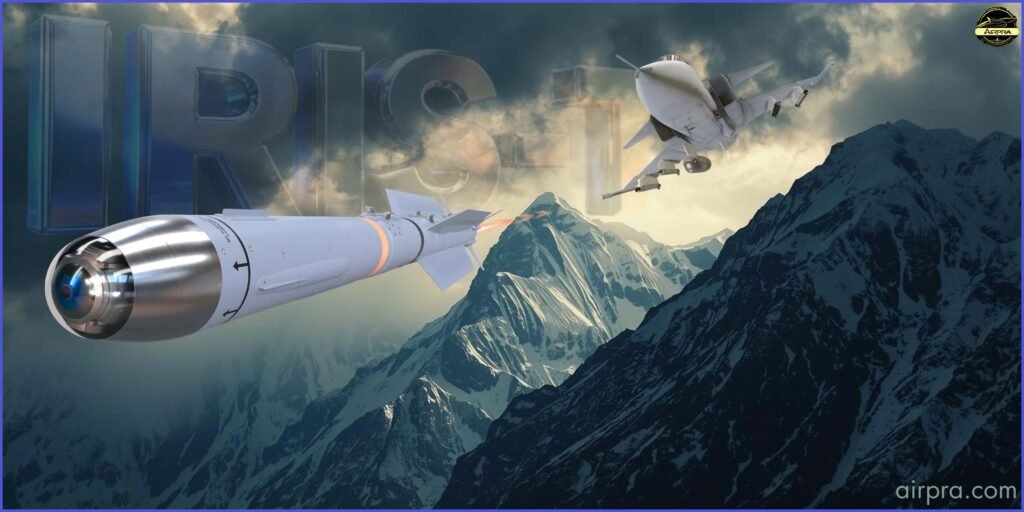
When two fighters enter visual range, the battle changes instantly. At these distances, survival is determined by reaction time, extreme manoeuvrability, and the ability to acquire and engage a target from almost any angle. This is precisely where the IRIS-T demonstrates its exceptional combat capability.
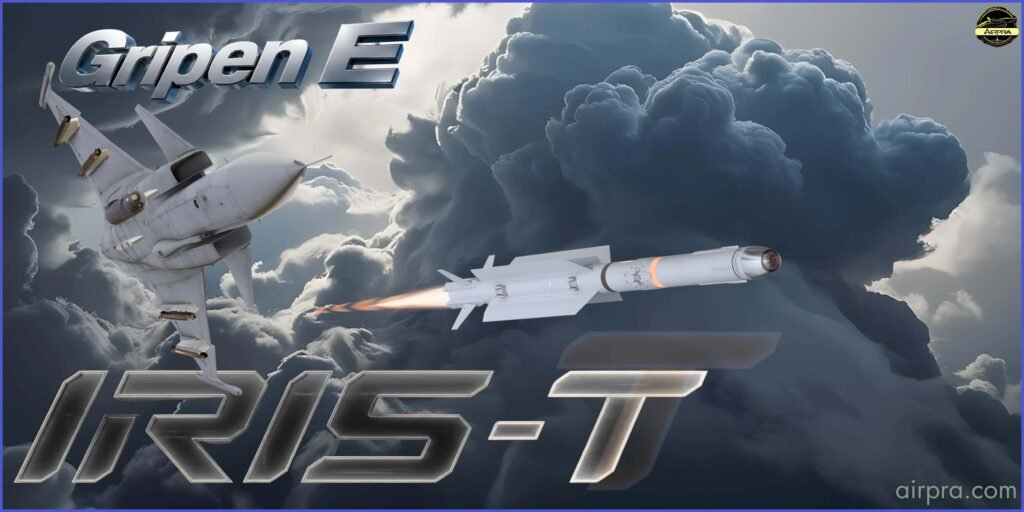
Recognised as one of the world’s most advanced short-range air-to-air missiles, the latest IRIS-T combines a highly sensitive imaging infrared seeker with thrust-vector control, enabling it to execute extreme high-G manoeuvres immediately after launch.
Even when an opposing aircraft performs aggressive evasive manoeuvres or deploys infrared countermeasures, the missile’s advanced seeker is engineered to discriminate the genuine target from decoys with remarkable precision.
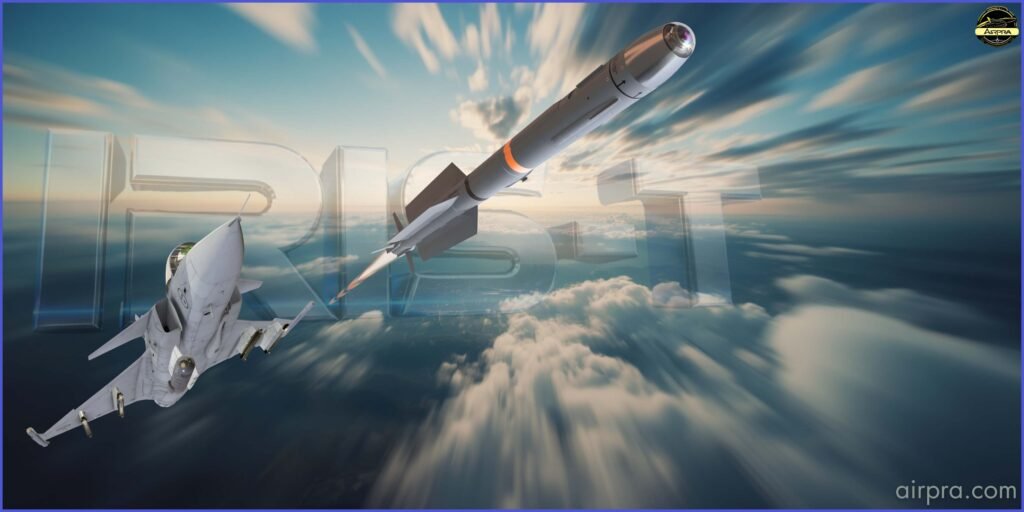
Fully integrated with the Gripen’s Helmet Mounted Display, advanced sensor fusion, and mission systems, the pilot simply looks at the target to designate it. Within moments, the IRIS-T can be launched at extreme off-boresight angles, removing the need to manoeuvre the entire aircraft toward the opponent before firing.
This capability provides the Gripen with a decisive advantage during close-range engagements, where fractions of a second often determine victory or defeat.
Together, the Meteor dominates the beyond-visual-range battle, while the IRIS-T takes control when the engagement enters visual range. Together, they transform the Gripen E into a fighter capable of delivering decisive lethality across the entire spectrum of modern aerial combat.
Endgame Analysis
The Gripen E was never designed to imitate other modern fighters. Instead, it was engineered around a fundamentally different philosophy—defeating advanced threats through superior situational awareness, rapid decision-making, electronic warfare, and weapons capable of dominating every phase of an aerial engagement.
From its powerful sensors and advanced mission computers to the extended reach of the Meteor and the exceptional agility of the IRIS-T, every major system aboard the Gripen operates as part of a fully integrated combat ecosystem.
Rather than functioning as individual components, they continuously exchange and process information, enabling the aircraft to build an accurate and constantly evolving picture of the battlespace.
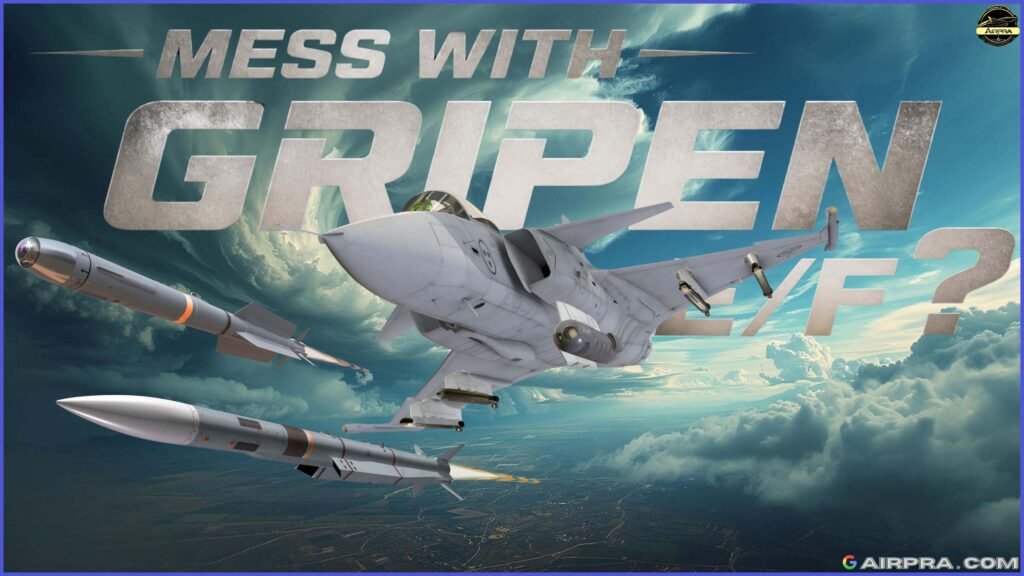
Ultimately, the Gripen E demonstrates that success in twenty-first-century aerial combat is no longer determined solely by raw performance. It is increasingly defined by information superiority, intelligent system integration, and the ability to transform battlefield awareness into decisive combat advantage.
More than simply being another multirole fighter, the Gripen E represents a modern combat philosophy in which intelligence, adaptability, and network-centric warfare become the true force multipliers on tomorrow’s battlefield.