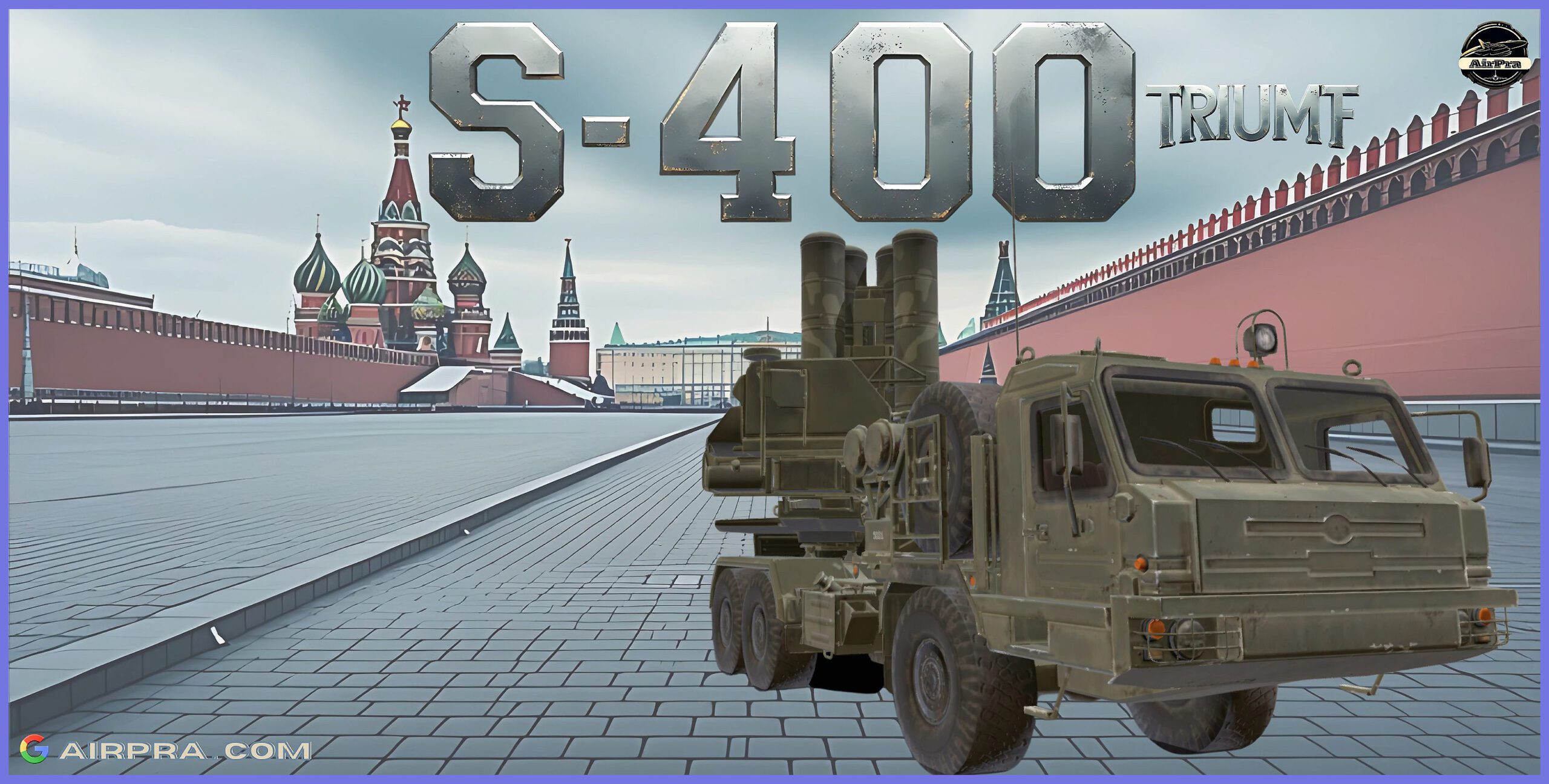
As we all know, Russia’s S-400 Triumf is one of the most advanced and formidable surface-to-air missile (SAM) systems in the world.
However, a valid question still arises: how does the S-400 dominate the battlefield? This ultimate high-tech, unmatched weapon is designed to counter a wide range of aerial threats, combining cutting-edge technology with long-range precision.
With a maximum striking range of up to 400 km and the ability to track and engage multiple targets simultaneously, it provides exceptional coverage and firepower.
Deployed in strategic locations, the S-400 serves as a powerful shield, deterring potential aerial intrusions while enhancing Russia’s military dominance and strategic influence across both regional and global theatres.
The Truth Behind Russia’s S-400: Defence or Domination?
The primary motivation behind developing Russia’s S-400 Triumf surface-to-air missile (SAM) system was to create a cutting-edge, multi-layered air defence solution capable of addressing a broad spectrum of aerial threats.
In the post–Cold War era, Russia became increasingly aware of the rapid progress in Western air power, including advancements in stealth technology, cruise missiles, and precision-guided weaponry. This realisation highlighted the need for a new, adaptable air defence system to eventually succeed the ageing but reliable S-300 platforms.
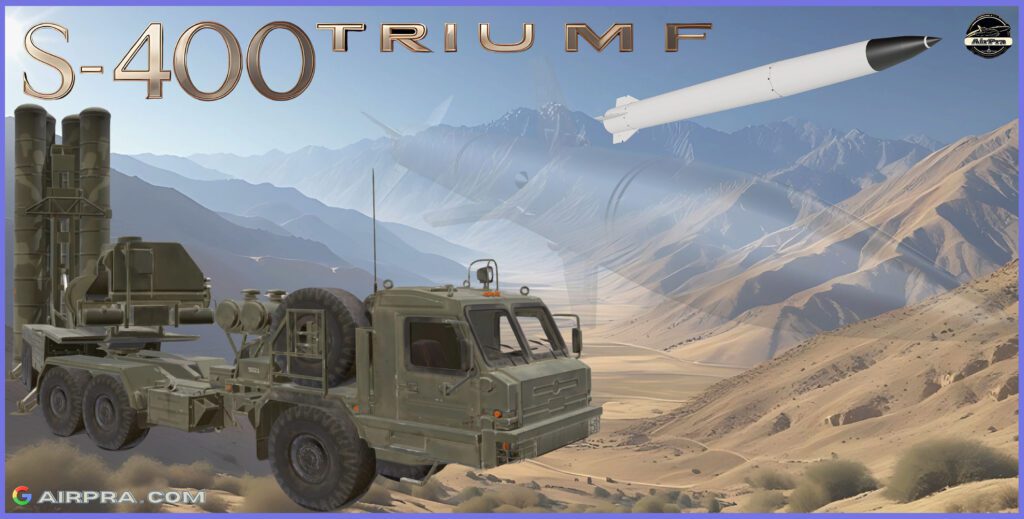
The S-400 was developed to detect, track, and destroy a variety of targets at different ranges and altitudes—not only aircraft and drones but also ballistic missiles and hypersonic threats.
One of its main objectives was to maintain Russia’s airspace sovereignty and provide a credible deterrent against potential adversaries. The system features advanced radar, extended-range missiles, and the ability to engage multiple targets simultaneously.
It was also developed to boost Russia’s global arms export potential, as the S-400 has gained significant international interest due to its impressive capabilities. Overall, the S-400 Triumf was developed to ensure that Russia remains a major player in modern air defence, capable of defending its territory and projecting power in response to changing global military threats.
Understanding the S-400 SAM: A Short Development Overview
The development of the S-400 began in the early 1980s as a replacement for the S-200 missile system; however, high costs posed a significant challenge. Nevertheless, the program gradually continued under the codename ‘Triumf,’ as the USSR needed a system capable of engaging long-range aircraft, cruise missiles, and the newly emerged American F-117 stealth attack aircraft.
It took nearly a decade for the Triumf program to be approved on 22 August 1991. However, the collapse of the Soviet Union shortly afterwards put the development into limbo.
Successful testing took place on 12 February 1999 at the Kapustin Yar range in Astrakhan, leading to the official revival of the program on 7 July 1999. Instead of serving as a direct successor to the S-200, the revived effort focused on upgrading the existing S-300 PM system.
The development was overseen by Chief Engineer Alexander Lemanskiy from Almaz-Antey, who played a key role in enhancing the system with advanced technologies beyond those used in the S-300.
The S-400 was scheduled for deployment in 2001, but it wasn’t ready until 2003. The project’s completion was announced in February 2004. In April of the same year, a ballistic missile was successfully intercepted during a test of the upgraded 48N6DM missile.
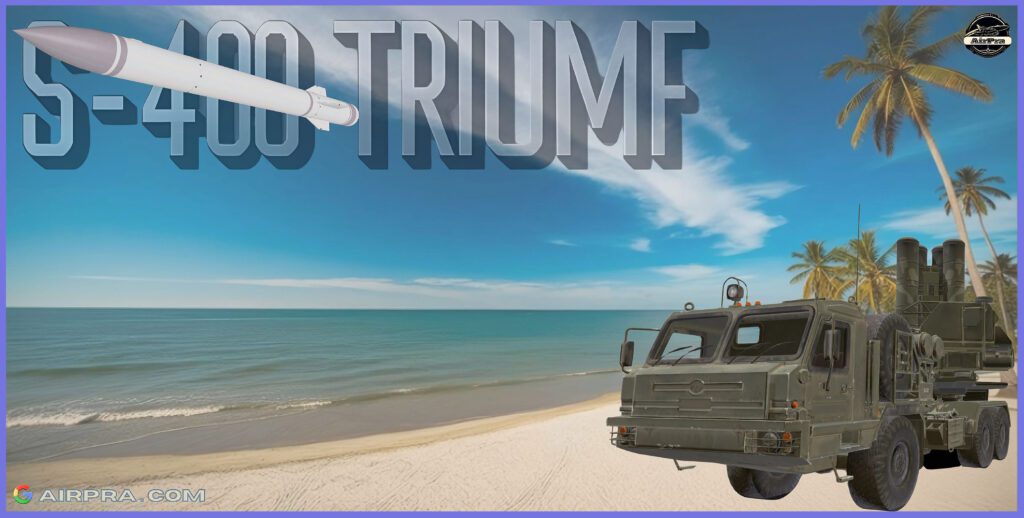
The system was officially approved for service by the government on 28 April 2007. The armed forces also accepted the integration of the 40N6 long-range missile into the S-400 air defence system.
The S-400’s modular design enables rapid deployment and seamless integration into broader air defence networks. Its development reflected Russia’s strategic focus on strengthening national defence and maintaining technological parity with NATO air power.
Layered Lethality: Unveiling the Structure of Russia’s S-400 SAM System
The S-400 system is a complex, integrated network designed to provide multi-layered air defence against a wide range of aerial threats. It is organised under the 30K6E command system, which can coordinate up to eight divisions.
Developed by Russia’s Almaz-Antey Corporation, the system comprises several key components that work together to detect, track, and neutralise targets at varying ranges and altitudes.
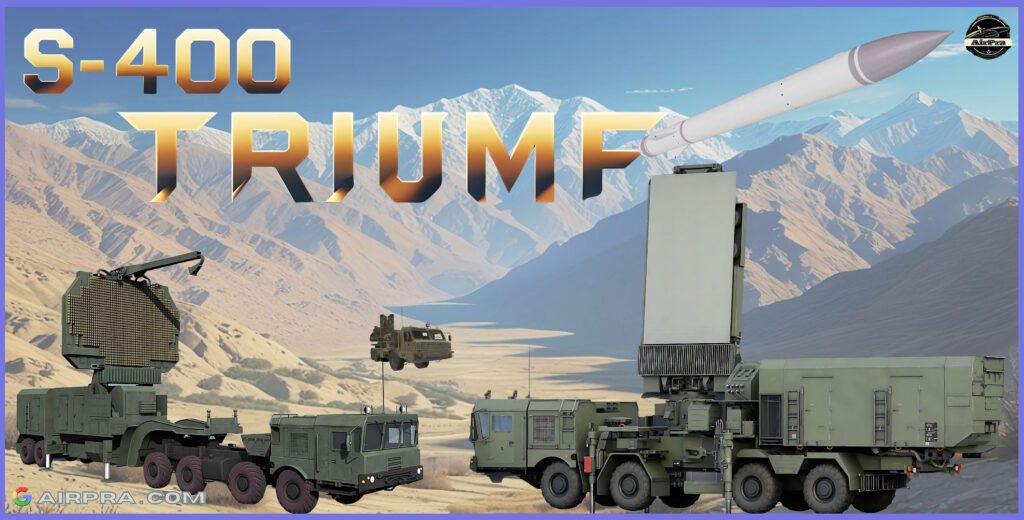
A standard S-400 battalion includes a command and control centre (55K6E), a surveillance radar (91N6E), a tracking and engagement radar (92N6E), and multiple transporter erector launchers (TELs), each capable of carrying four missiles.
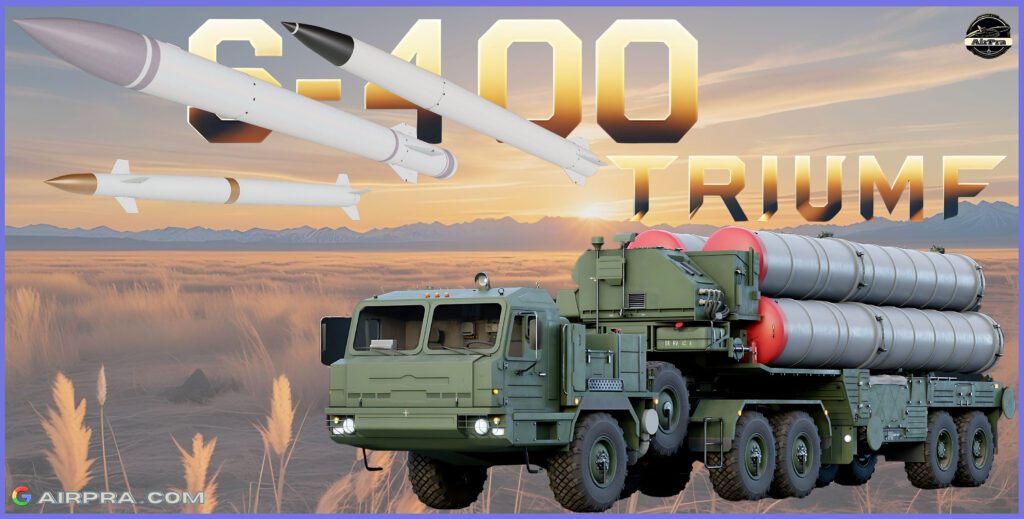
The command post (55K6E), mounted on a mobile Ural-532301 vehicle, coordinates all battery operations by processing radar data and issuing firing commands. The 91N6E radar offers long-range surveillance and serves as a panoramic detection system, with a range of 340 km (210 mi), capable of tracking up to 300 targets simultaneously.
The 92N6E radar handles fire control and missile guidance, tracking up to 20 targets at once. The S-400 system employs a variety of missile types, including the 48N6E2, 48N6E3, 48N6DM, 9M96E, 9M96E2, and the ultra-long-range 40N6E, each optimised for specific targets and engagement ranges.
The Beriev A-50 and its upgraded A-50U significantly enhance the S-400 system’s effectiveness through airborne early warning and control (AEW&C) functions. Acting as flying command posts, they extend detection and tracking ranges, direct S-400 batteries to high-priority targets, cue radars, and help optimise missile deployment in combat.
The S-400 system is designed with flexibility in mind, capable of standing alone or working together with other defence units like the Pantsir to strengthen protection against various airborne threats. Through secure links, it shares targeting data to respond quickly to close-range and low-altitude intrusions.
This adaptability allows it to fit into broader defence strategies or act independently when needed. Its strength lies in the ability to hit several threats at once over long distances, making it a key part of Russia’s modern air defence network.
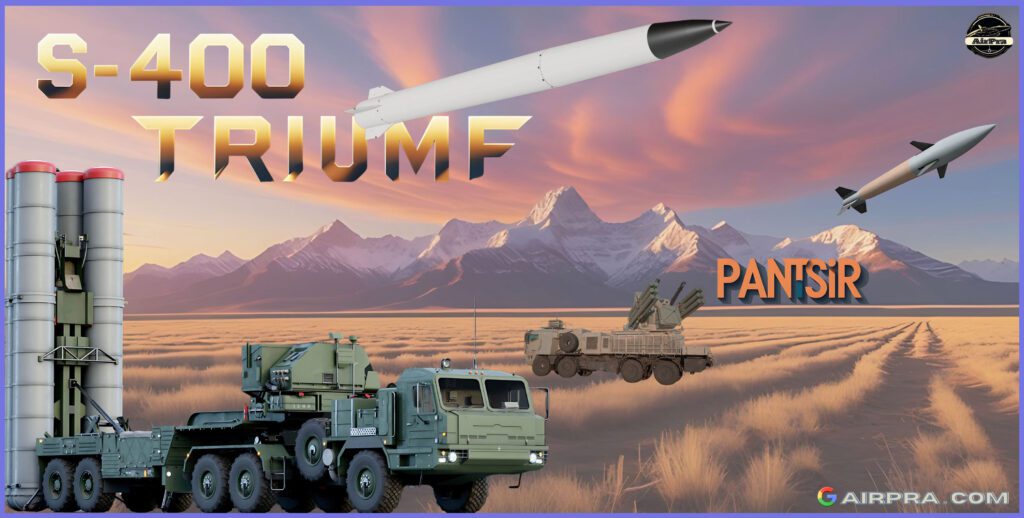
Firepower Unveiled: Complete Missile Specifications of the S-400 Triumf
The S-400 Triumf SAM system employs a diverse range of missiles to deliver layered air defence against a wide array of aerial threats. Each missile is equipped with a directed explosion warhead, increasing the likelihood of effectively neutralising airborne targets.
No_1_ The 40N6E is the longest-range interceptor in the S-400 SAM system, built to target high-value aerial threats at extended distances. It has an operational range of 380 km (240 miles) and can engage targets at altitudes up to 30 km (98,000 feet).
Weighing about 1,893 kg, it travels at Mach 3.5 (1,190 m/s) and can intercept threats moving up to Mach 14 (4,800 m/s), including hypersonic or fast ballistic objects.
Its warhead weighs between 100–180 kg, approx, optimised for high-impact destruction. The missile uses semi-active or active radar homing; in active mode, it climbs to altitude and then engages its onboard radar to autonomously locate and destroy the target.
No_2_ The 48N6DM, also designated as 48N6E3, is a fast-response interceptor missile integrated into the S-400 system. It can strike targets up to 240 km (150 miles) away and at altitudes as high as 27 km (89,000 feet).
With a weight of approximately 1,835 kilograms (4,045 pounds), the missile reaches speeds of up to Mach 5.9 (about 4,500 mph) and is capable of neutralising threats travelling as fast as Mach 14 (roughly 11,000 mph). Featuring a 180-kilogram warhead, it relies on semi-active radar guidance to ensure accurate interceptions.
No_3_ The 48N6E2 is another long-range surface-to-air missile used in the S-400 system, designed to intercept aerial threats up to 200 km (120 mi) away and at altitudes of 27 km (89,000 ft).
With a weight of 1,835 kg (4,045 lb), it reaches speeds of Mach 5.9 (4,500 mph) and can engage targets flying as fast as Mach 8.2 (6,300 mph). It carries a 180 kg (400 lb) high-explosive warhead and relies on semi-active radar homing for guidance and precision.
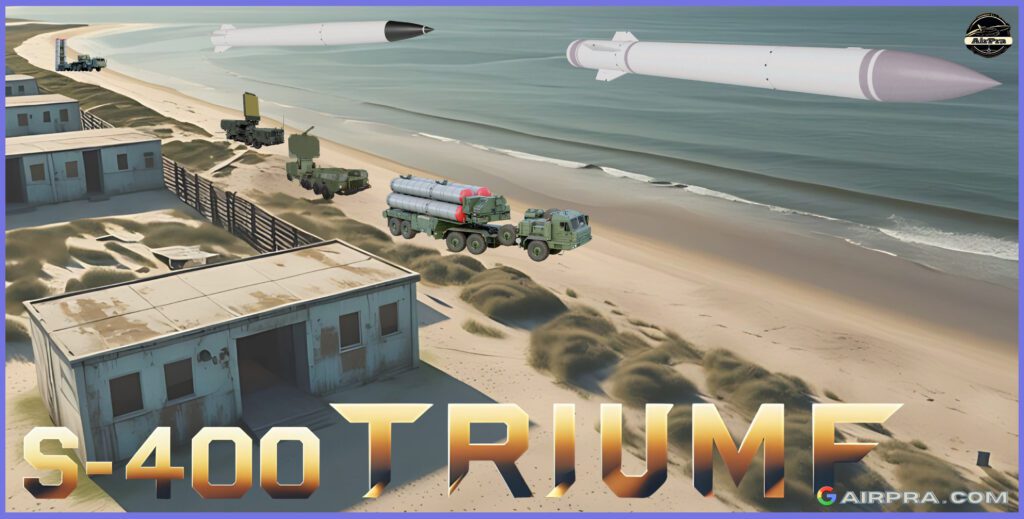
No_4_ The 9M96 and 9M96E2 are compact, high-speed interceptor missiles designed for medium-range operations within the S-400 air km system. They can engage targets up to 120 km (75 miles) away and reach altitudes of 30 km (98,000 feet), making them effective against fast and agile airborne threats.
Each missile weighs around 420 kilograms (930 pounds), travels at speeds nearing Mach 2.9 (approximately 2,200 mph), and is equipped with a 24-kilogram (53-pound) warhead. Utilising active radar homing, these missiles achieve precise targeting with limited reliance on ground-based radar systems.
No_5_ Built for agility and precision, the 9M96E is a short- to medium-range interceptor used in the S-400 air defence system. It is designed to neutralise fast, low-flying targets within a 40-km (25-mile) radius and up to 20 km (66,000 feet) in altitude.
With a total weight of about 333 kilograms (734 pounds), it can reach speeds nearing Mach 2.6 (roughly 2,000 mph). The missile is armed with a 24-kilogram (53-pound) warhead and employs active radar homing, allowing it to engage threats with limited support from ground-based radar units.
India Raises the S-400 as Its Skyborne Sudarshan Chakra
India took a major step toward enhancing its air defence capabilities when it reached an understanding with Russia for the purchase of the S-400 Triumf system. The agreement, discussed during the BRICS Summit on 15 October 2016, laid the groundwork for the future delivery of five S-400 units.
This defence partnership was solidified on 5 October 2018, when both countries officially signed the contract, valued at approximately $5.43 billion (₹40,000 crore). The deal signified India’s commitment to strengthening its strategic deterrence and highlighted the continuing defence cooperation between New Delhi and Moscow.
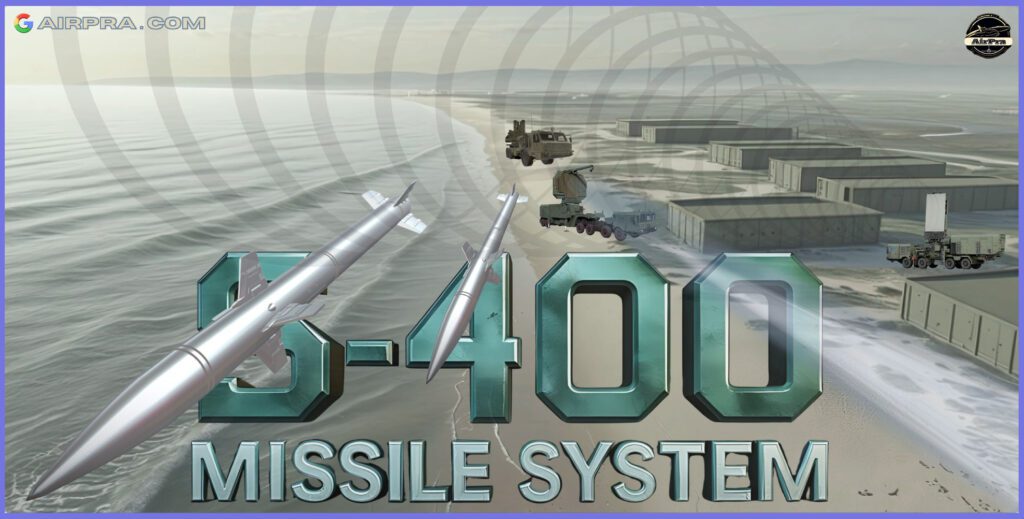
In Indian service, the S-400 air defence system is referred to as the Sudarshan Chakra and is integrated into the country’s Integrated Air Command and Control System (IACCS) network. Each S-400 battalion consists of two batteries, and every battery includes six missile launchers, a radar unit, and a command centre, altogether supporting up to 128 missiles.
A complete battalion is supported by 16 specialised vehicles for mobility and operations. Under the signed deal, India acquired 60 launchers along with approximately 6,000 missiles, including variants such as the 9M96E2 (120 km), 48N6E2 (200 km), 48N6E3 (240 km), and the long-range 40N6E (380 km).

India received its first S-400 regiment in December 2021, which was deployed near the Line of Control (LoC) in the Pathankot region to safeguard the Punjab and Jammu & Kashmir sectors. The second regiment was delivered in July 2022 and positioned along the Line of Actual Control (LAC) in the strategically important Sikkim sector.
The third S-400 regiment was received in February 2023 and deployed in the Rajasthan-Gujarat sector to strengthen air defence along India’s western border. Reports indicate that the fourth regiment is expected to be delivered by the end of 2025, while the fifth and final regiment is scheduled for delivery by August 2026.
A Quick Message to Our Readers
Some details in our articles may change over time. For the most accurate and up-to-date information, we recommend consulting additional sources as well.
We’re passionate about bringing you trusted insights on military systems and global developments. Your support helps us continue this work. When you purchase through our affiliate links, you’re helping us grow while receiving high-quality products in return.
Your thoughts matter to us. If there’s a topic or defence system you’d like to learn more about, let us know in the comments—we’ll do our best to cover it.
Thank you for being part of our journey. We appreciate your time and interest—happy reading!