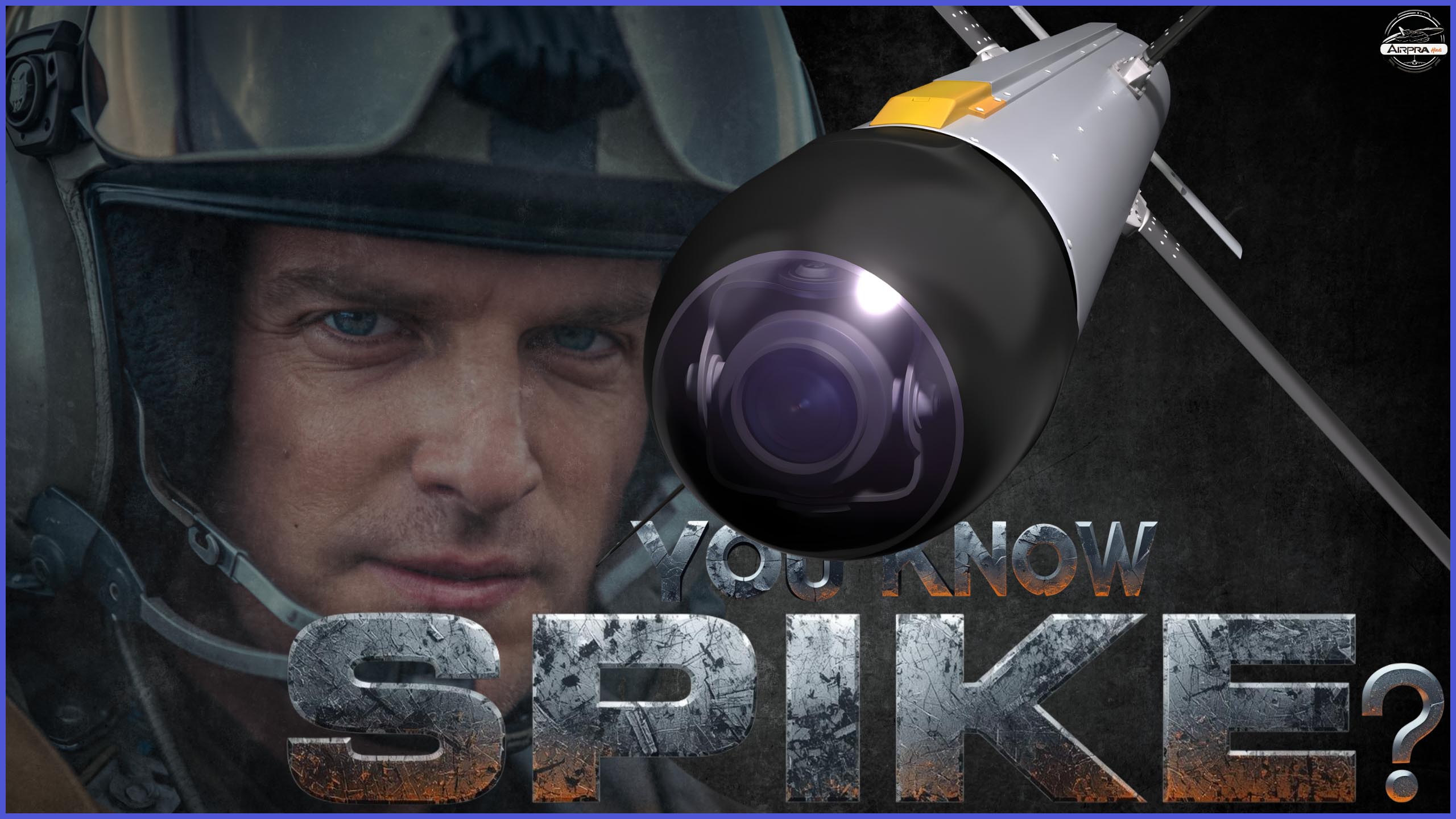
From its revolutionary fire-and-forget guidance to its advanced beyond-line-of-sight strike capabilities, the Spike missile family has redefined modern precision warfare. The Ultimate Guide to the Combat-Proven Spike Missile takes you through its development, advanced technology, combat record, and key variants that have made it one of the world’s most capable and combat-proven precision-guided missile families.
Born From a Battlefield Shock: Why Israel Created the Spike Missile
In October 1973, the Middle East became the stage for one of the most dramatic conflicts of the Cold War—the Yom Kippur War. During the fighting, Israeli armoured forces suffered unexpected losses from waves of anti-tank guided missiles employed by Egyptian and Syrian troops.
Suddenly, the battlefield had changed. Tanks that were once considered nearly unstoppable were being engaged and destroyed from long range by relatively small missile teams.
The lessons learned from that conflict pushed Israel to rethink battlefield firepower. Military planners wanted a missile capable of engaging enemy armour with high precision, operating day or night, and eventually striking targets even beyond the operator’s direct line of sight. These requirements would ultimately lead to the development of one of the world’s most successful anti-tank missile families—the Spike.
In today’s video, we will explore why the Spike missile was developed, who created it, how its advanced guidance system works, and the various versions of the weapon. We will also take a closer look at the Spike MR used by the Indian Army and the long-range Spike NLOS missile operated by the Indian Air Force for precision strike missions.
The Birth of a Tank Killer: Development and Designers
The Spike missile family was developed by Rafael Advanced Defense Systems, one of Israel’s leading defence manufacturers. The earliest roots of the program can be traced to the late 1970s, when Israel began developing advanced precision-guided missile systems inspired by battlefield experiences during the Yom Kippur War.
The first member of the family to enter service was the long-range Tamuz missile, which later evolved into the Spike NLOS. Over time, Rafael expanded the concept into a complete family of missiles capable of serving infantry, armoured vehicles, helicopters, naval platforms, and special forces.
Today, the Spike missile family is used by more than 40 countries worldwide and is considered one of the most combat-proven precision-guided weapon systems ever developed. With over 40,000 missiles produced and decades of operational experience, Spike has earned a reputation as one of the world’s most trusted anti-tank and precision-strike missile families.
Inside the Missile: What Makes Spike Different?
Unlike many older anti-tank missiles that require continuous operator guidance, the Spike was designed as a true Fire-and-Forget weapon.
The missile features Lock-On Before Launch (LOBL) and automatic self-guidance capabilities. Once the target is locked, the missile can autonomously guide itself toward its objective. It is equipped with an advanced imaging infrared seeker.

The long-range and extended-range variants of the Spike also feature a “Fire, Observe and Update” operating mode, also known as Lock-On After Launch (LOAL). Through a fibre-optic or radio-frequency data link, the operator can monitor the missile’s flight path, change targets during flight, or engage targets hidden behind terrain and obstacles.
One of Spike’s most important features is its Top-Attack capability. Instead of striking a tank’s heavily protected frontal armour, the missile climbs and attacks the thinner armour on the vehicle’s roof.
The missile uses a tandem high-explosive anti-tank (HEAT) warhead consisting of two shaped charges: a precursor warhead designed to detonate explosive reactive armour, followed by a primary warhead that penetrates the vehicle’s main armour.
Another important feature is the missile’s Soft Launch system. The missile exits the launcher before the main motor ignites, allowing safe firing from buildings, bunkers, and other confined spaces.
These capabilities make the Spike effective not only against tanks but also against bunkers, fortified positions, vehicles, and other high-value battlefield targets.
One Family, Many Missions: The Different Spike Variants
Over the years, Rafael has transformed the Spike into a comprehensive family of precision-guided missiles, with each variant engineered to meet specific operational and battlefield requirements. The family includes:
Spike SR (Short Range) – A lightweight, man-portable missile with an effective engagement range of 50 metres to 1.5 kilometres, designed for close-range infantry operations.
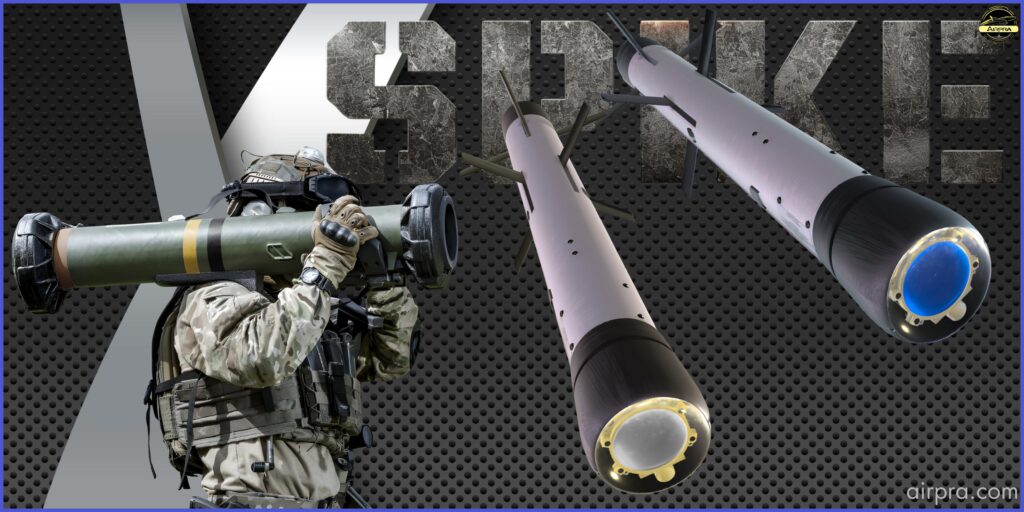
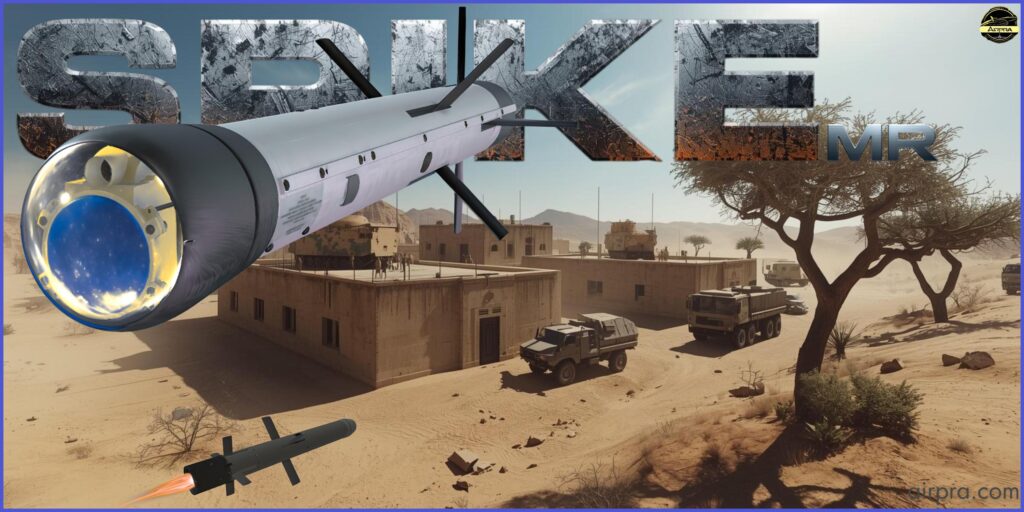
Spike MR (Medium Range) – A medium-range anti-tank missile with an effective engagement range of 200 metres to 2.5 kilometres, providing infantry units with enhanced precision and firepower.
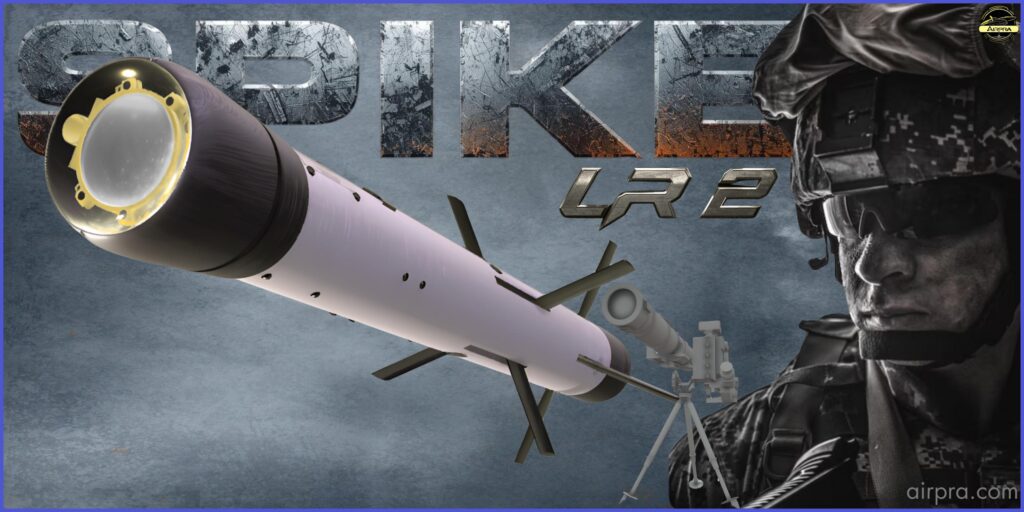
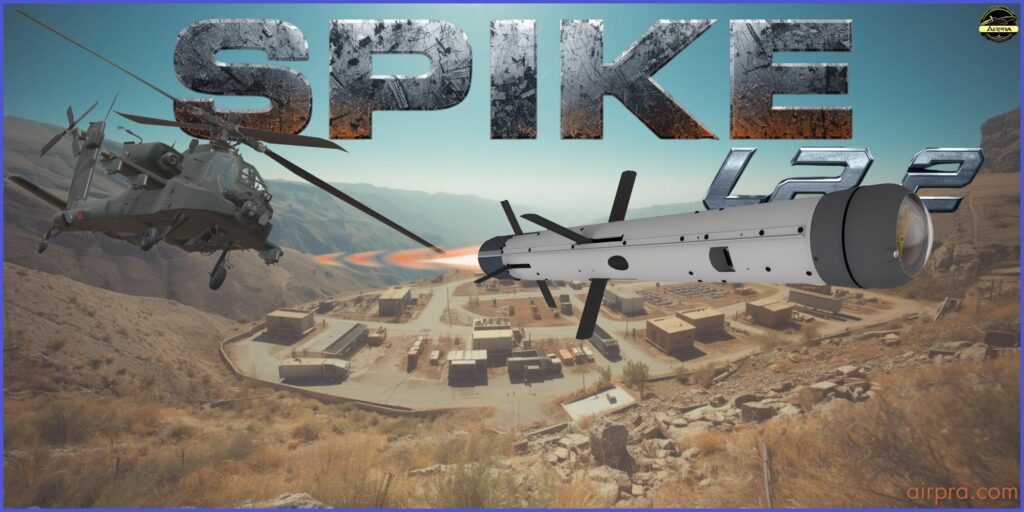
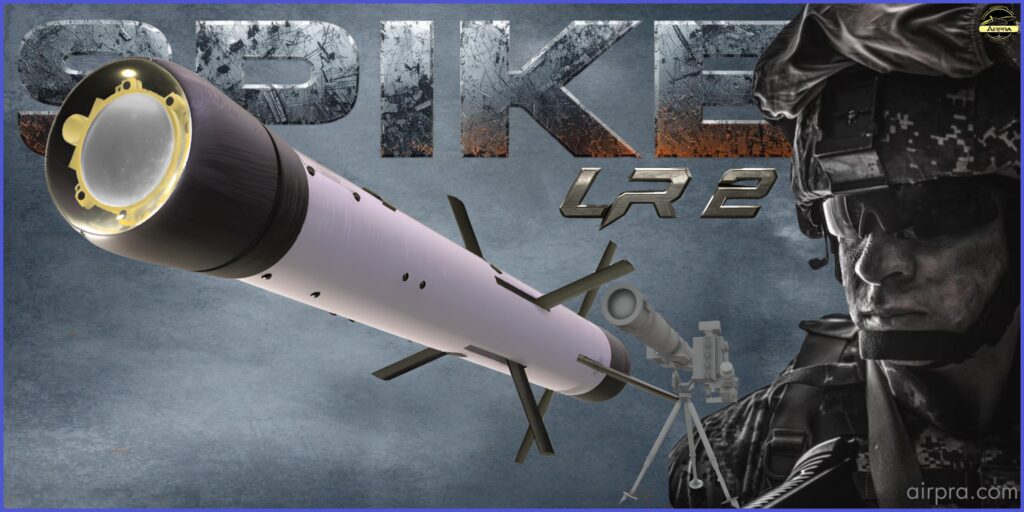
Spike LR and Spike LR2 (Long Range) – Advanced long-range variants capable of engaging targets at distances of 200 metres to 5.5 kilometres. The family also includes AeroSpike, an air-launched version of the Spike LR2 developed for fixed-wing aircraft, with a range of up to 30 kilometres when launched from an altitude of 27,000 feet.
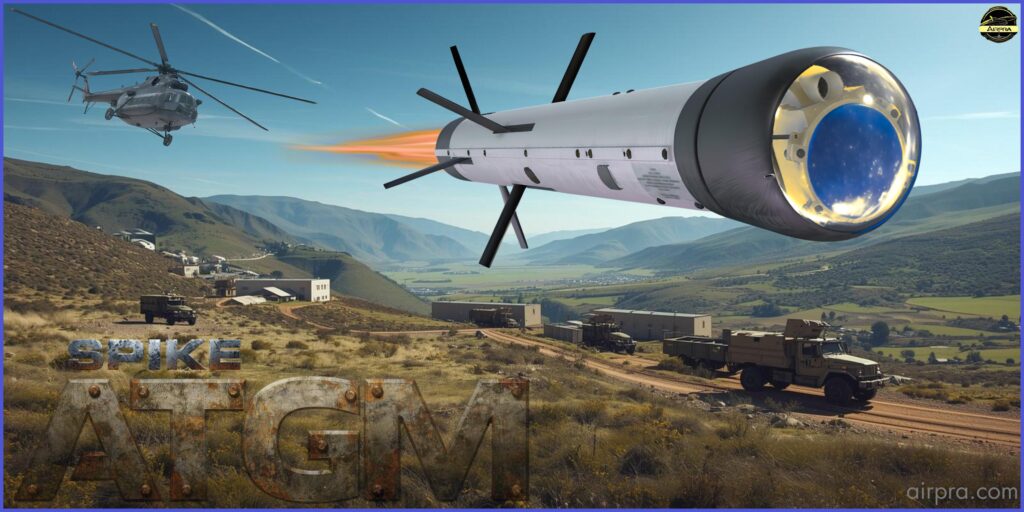
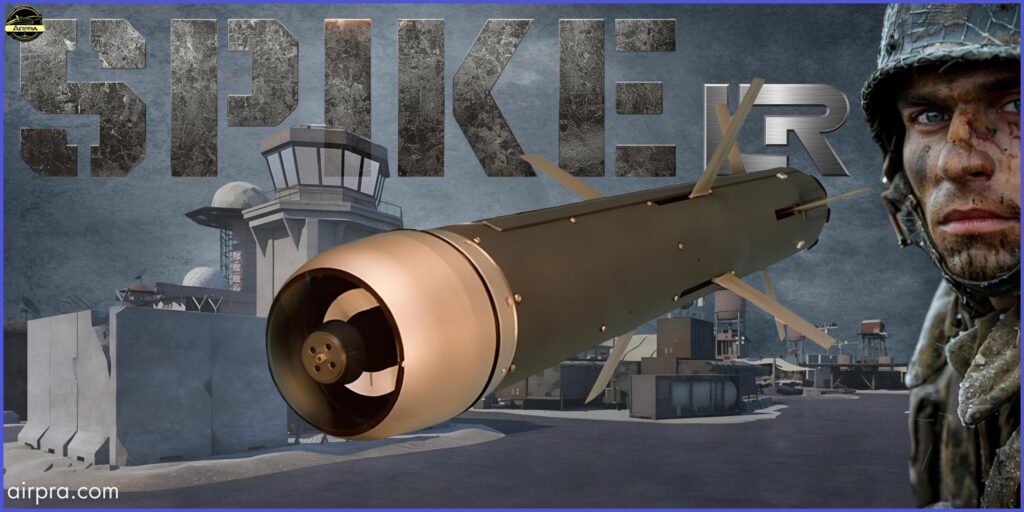
Spike ER and Spike ER2 (Extended Range) – Designed for deployment from ground vehicles, helicopters, and naval platforms, these variants offer engagement ranges from 400 metres up to 8 kilometres for the Spike ER, while the Spike ER2 extends that range to 10 kilometres from ground platforms and up to 16 kilometres when launched from helicopters.
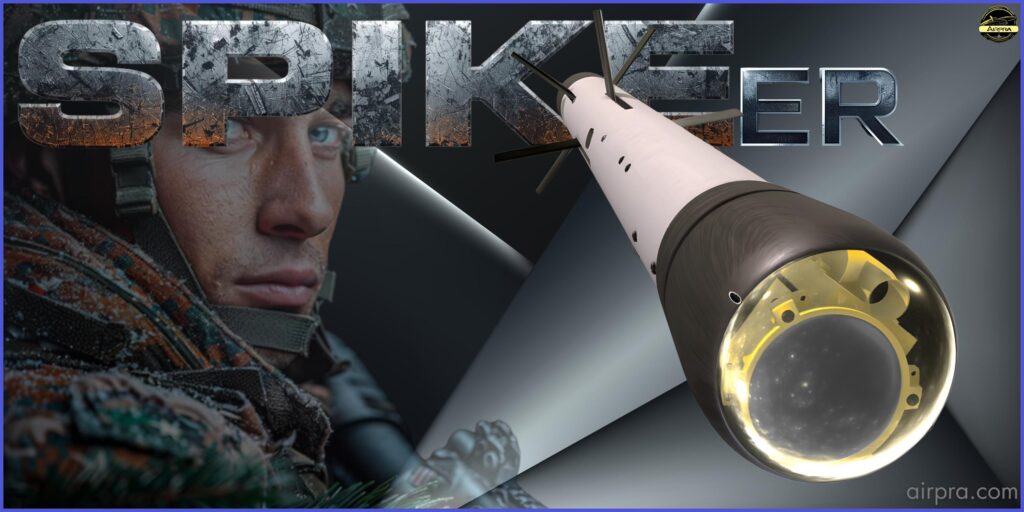
Spike NLOS (Non-Line-of-Sight) – The longest-range member of the Spike family, designed for beyond-line-of-sight engagements against targets that are not visible to the operator.
The ground-launched version has an effective engagement range of up to 32 kilometres, while the air-launched variant can engage targets at distances of up to 50 kilometres, depending on platform configuration and operational conditions.
Each variant is tailored for a specific mission profile, ranging from infantry anti-tank warfare and special operations to long-range precision strikes conducted by helicopters, aircraft, and ground forces.
For India, two variants are particularly important: the Spike MR, operated by the Indian Army for frontline anti-tank missions, and the Spike NLOS, which provides the Indian Air Force with a powerful stand-off precision-strike capability.
India’s Frontline Tank Killer: Spike MR
The Spike MR, originally known in Israel as NT-Gil, is the medium-range member of the Spike missile family. Designed primarily for infantry units and special forces, it combines portability, precision, and firepower in a single weapon system.
The missile itself weighs approximately 14 kilograms and can engage targets at ranges between 200 metres and 2.5 kilometres. Depending on the tactical situation, operators can employ either a Direct Attack mode against visible targets or a Top Attack mode, allowing the missile to strike the thinner armour located on the roof of enemy vehicles.
The Indian Army inducted the Spike MR to strengthen its anti-tank capabilities, particularly in regions where rapid deployment, mobility, and high-precision engagement are critical.
Equipped with advanced fire-and-forget guidance and a tandem HEAT warhead, the missile enables infantry soldiers to engage and destroy modern armoured vehicles while minimising their exposure to enemy fire.

The 50-Kilometre Hunter: India’s Spike NLOS
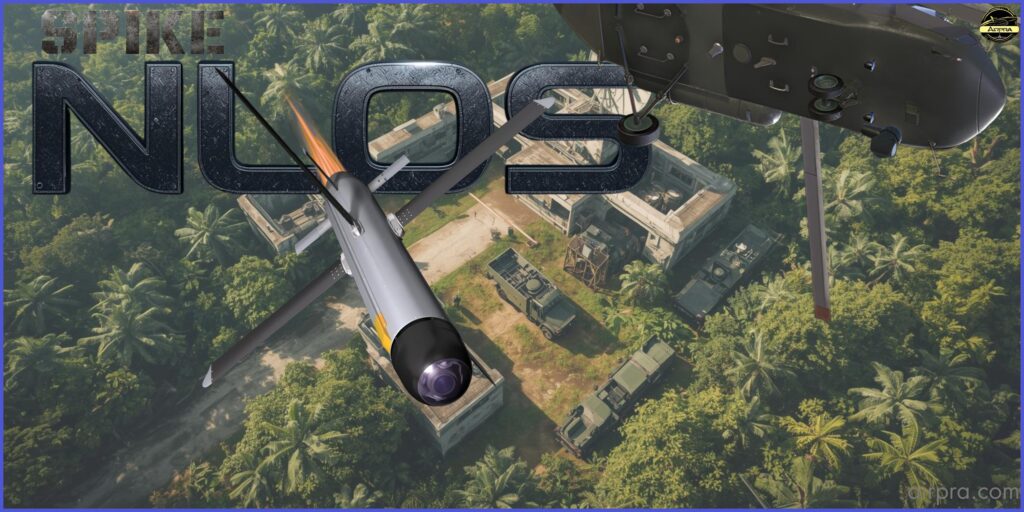
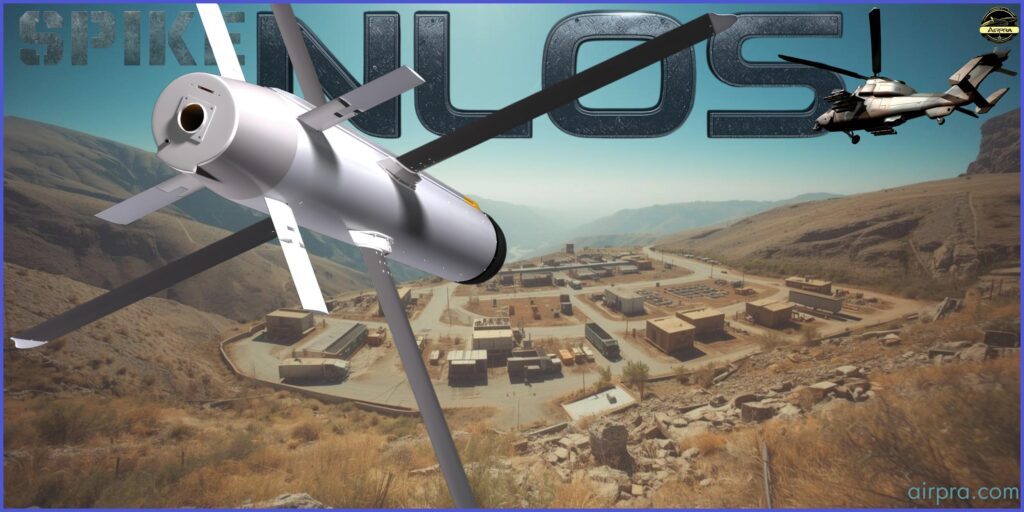
NLOS stands for Non-Line of Sight, meaning the operator does not need to directly see the target before launching the missile. Developed to engage targets hidden behind hills, mountains, buildings, or other terrain features, the Spike NLOS dramatically expands the battlefield reach of the operator.
Weighing approximately 70 kilograms, the Spike NLOS can strike targets at ranges of up to 32 kilometres from ground-based launchers and up to 50 kilometres when launched from airborne platforms.
The missile supports both Lock-On Before Launch (LOBL) and Lock-On After Launch (LOAL) engagement modes, enabling operators to acquire, track, and even redirect the missile toward a different target while it is in flight.
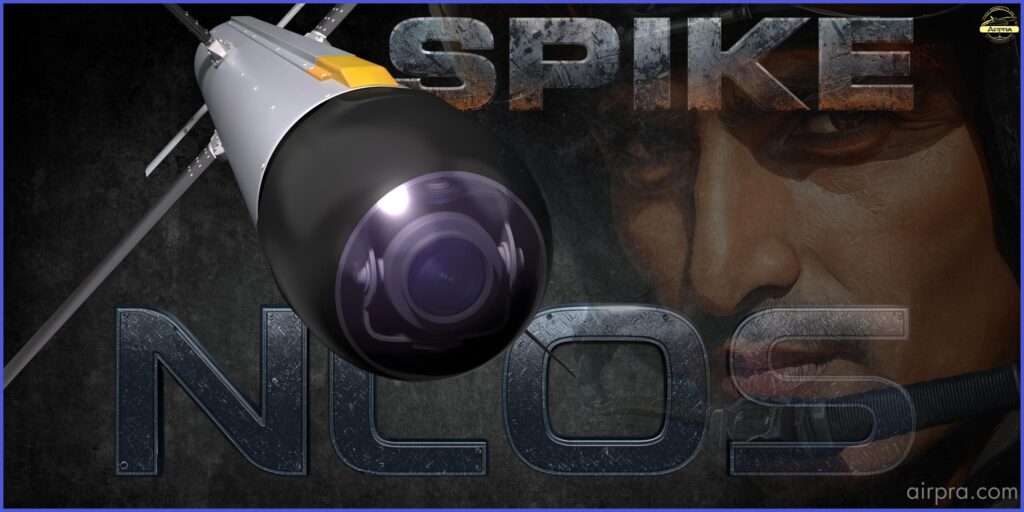
Combined with its advanced electro-optical seeker and real-time data link, these capabilities allow the Spike NLOS to deliver highly precise strikes against targets located far beyond the operator’s direct line of sight.
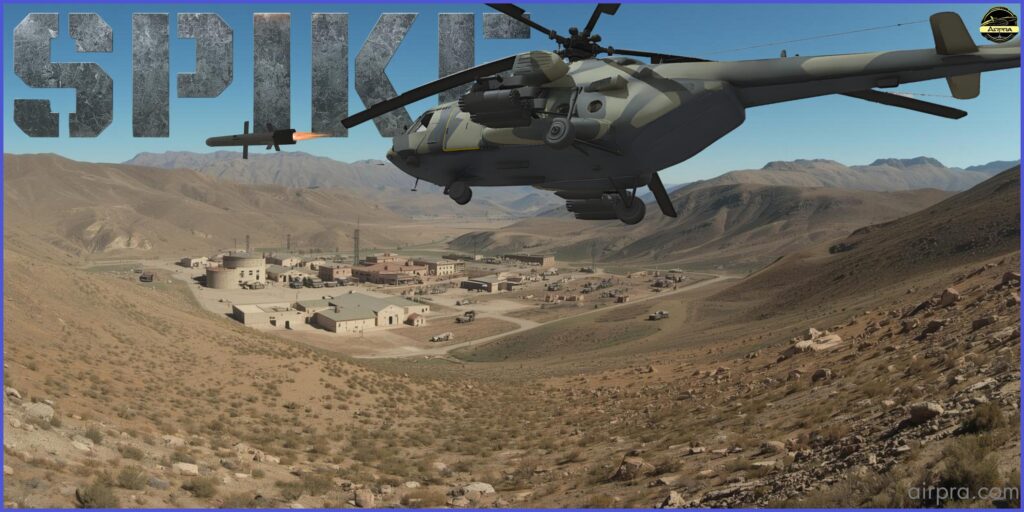
For India, the Spike NLOS provides a significant stand-off strike capability. Integrated with specially modified Mil Mi-17V5 helicopters, the missile enables precision attacks against enemy command posts, air-defence systems, armoured formations, fortified positions, and other high-value targets from distances far beyond the reach of most conventional anti-tank missiles.
Endgame Analysis
Today, as modern warfare increasingly emphasises stand-off engagement, networked battlefield awareness, and precision strikes, the Spike missile continues to demonstrate why it remains one of the most respected and combat-proven guided weapon systems in the world.
For India, the combination of Spike MR and Spike NLOS provides a powerful blend of frontline anti-armour capability and long-range precision strike power, enabling Indian forces to engage threats across a wide spectrum of battlefield scenarios.
The story of the Spike missile is ultimately a reminder that sometimes the most effective weapons are not born from technological ambition alone—but from hard-earned lessons learned on the battlefield.
A Quick Message to Our Readers
Some details in our articles may change over time. For the most accurate and up-to-date information, we recommend consulting additional sources.
We’re passionate about providing you with trusted insights into military systems and global developments. Your support helps us continue this work. When you purchase through our affiliate links, you’re helping us grow while receiving high-quality products in return.
Your thoughts matter to us. If there’s a topic or defence system you’d like to learn more about, let us know in the comments—we’ll do our best to cover it. Thank you for being part of our journey. We appreciate your time and interest—happy reading!