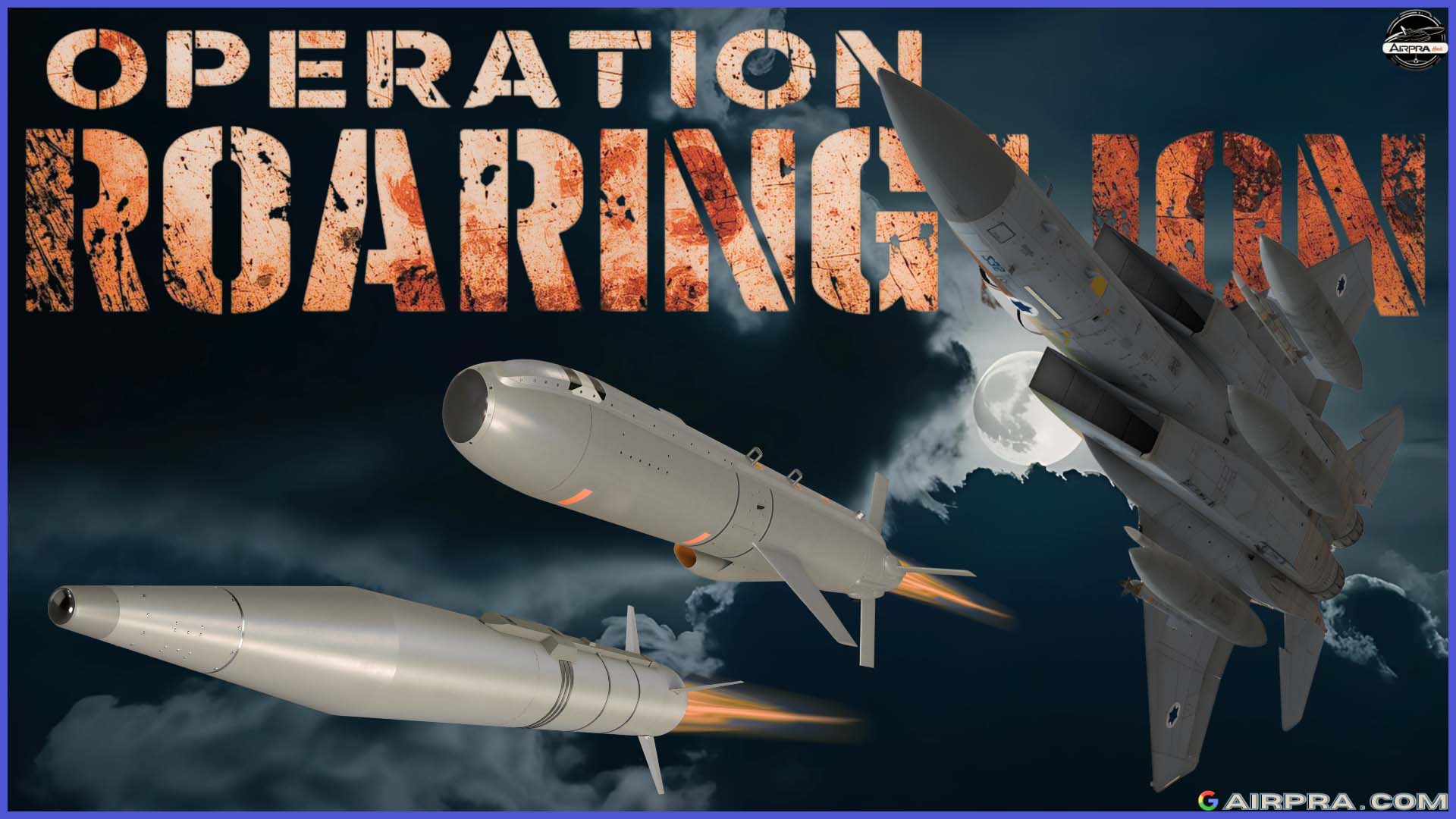
In 2026, Israel launched high-intensity strikes on critical Iranian military and nuclear targets using cutting-edge precision systems and stealth platforms. But Which Smart Weapons Did Israel Use Against Iran in 2026? From JDAMs to SPICE kits and stand-off missiles, the arsenal was both advanced and lethal.
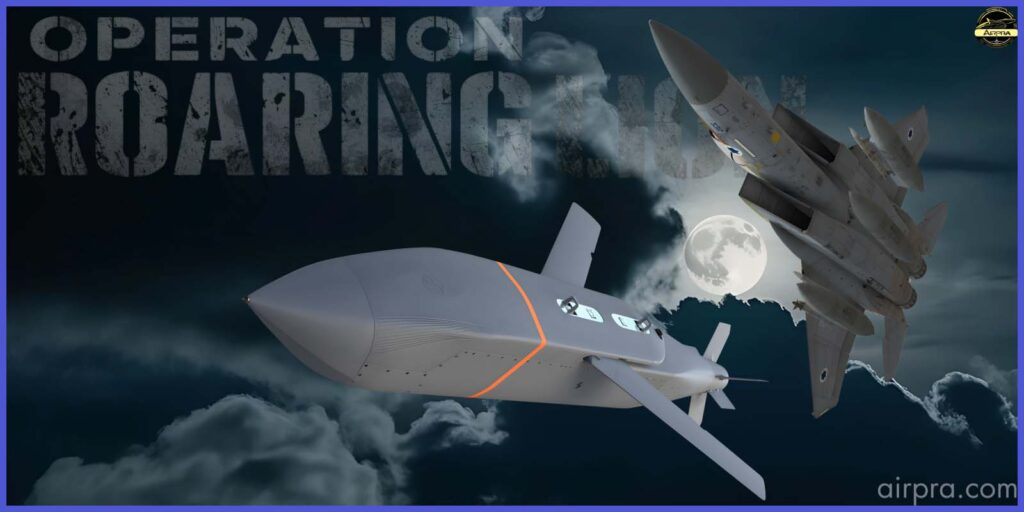
Operation Roaring Lion – Israel’s Weapons, Aircraft & Strategy
In modern 21st-century warfare, striking the enemy is no longer just about raw firepower. It requires a precise evaluation of multiple operational factors before any action is taken. Modern warfare is defined by a combination of well-calibrated strategy, years of intelligence gathering, and the ability to execute high-speed, precision strikes on critical targets at the right moment.
This is exactly what Israel attempted in March 2026 during Operation Roaring Lion, which marked the initial combat phase of the ongoing conflict against Iran. Instead of waiting for a prolonged escalation, Israel launched a rapid and highly coordinated strike campaign.
The objective was clear: degrade Iran’s air defence networks, missile forces, command-and-control systems, and nuclear-linked infrastructure before the country could fully mobilise its military capabilities.
This was far from a conventional attack. It was a multi-layered suppression campaign that integrated stealth aircraft, long-range stand-off missiles, electronic warfare systems, long-endurance unmanned aerial vehicles (UAVs), and precision-guided munitions. Each element was deployed synchronously to overwhelm and neutralise Iran’s defensive architecture.
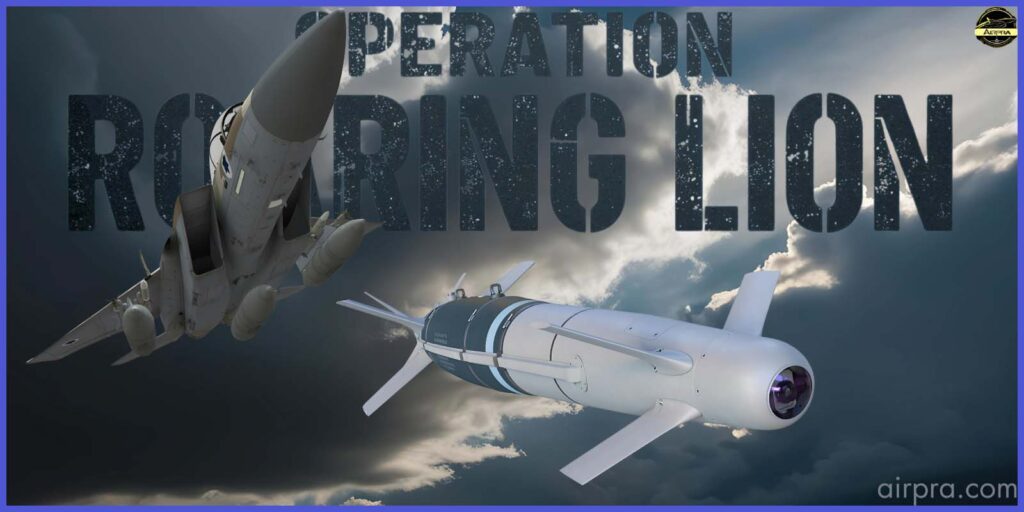
At the same time, Israel did not operate entirely on its own. Recognising the scale and complexity of the conflict, it strategically aligned itself with the United States as a key war partner. Before any ceasefire discussions emerged, the United States was reportedly sustaining operational support costs of nearly $1 billion per day, highlighting the intensity and scale of the campaign.
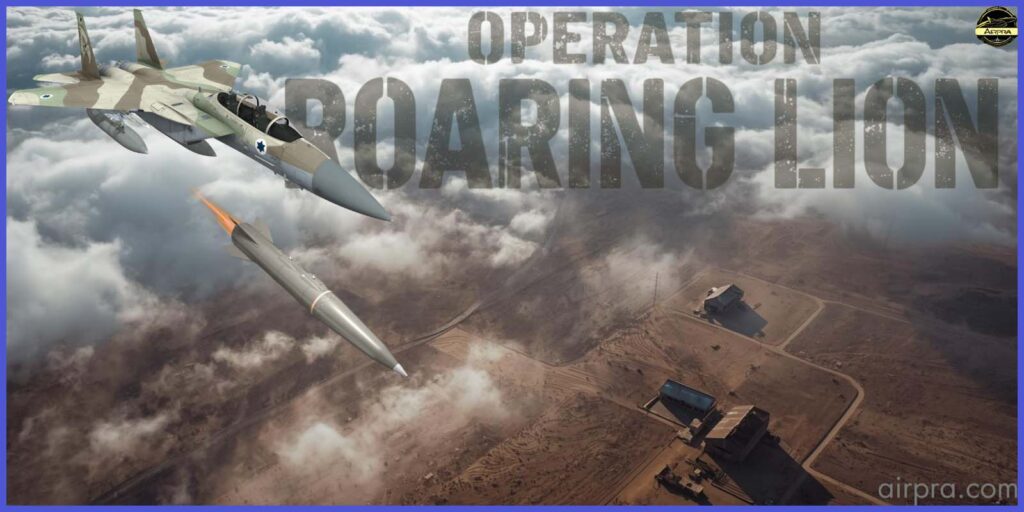
In this article, we will focus specifically on the Israeli Defence Forces (IDF)—examining the deadly weapons systems they have deployed so far, the combat aircraft currently in operation, and most importantly, the strategic intent behind each strike. How exactly was this entire campaign executed with such precision and coordination? Let’s break it down in detail.
Air Power: The Spearhead of the Campaign
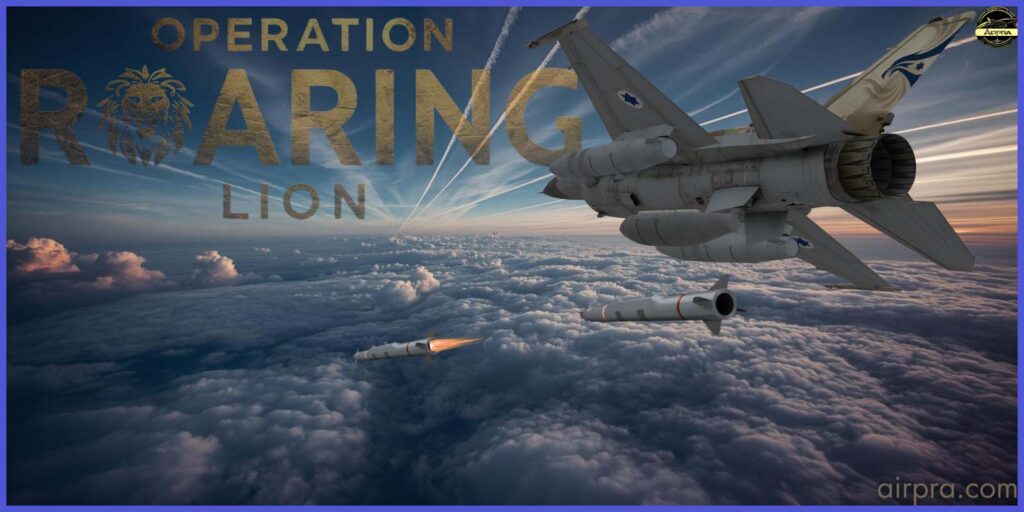
One of the key combat aircraft in Israel’s Operation Roaring Lion is the F-35 Lightning II, developed by Lockheed Martin. In Israeli service, it is known as the F-35I Adir—a fifth-generation stealth fighter optimised with Israeli-specific systems, enabling it to penetrate heavily defended airspace and strike targets while remaining difficult to detect.
The F-35I Adir is equipped with a diverse range of precision-guided munitions designed for both deep-strike and suppression roles. These include the GBU-31(V)3/B JDAM, a 2,000-pound class GPS-guided bomb capable of striking hardened and fixed targets with high accuracy, and the GBU-54(V)/B Laser JDAM, which combines GPS guidance with laser targeting, allowing it to engage moving or time-sensitive targets.

In addition, the aircraft carries advanced stand-off and glide munitions, such as the GBU-53/B StormBreaker, which features multi-mode guidance (millimetre-wave radar, infrared imaging, and semi-active laser) for all-weather precision strikes, and the GBU-39 Small Diameter Bomb, designed for high-volume, low-collateral-damage targeting with extended range.
Another key weapon is the AGM-154 JSOW, a stand-off glide weapon that allows the aircraft to strike heavily defended targets from outside enemy air defence coverage. Together, these munitions give the F-35I the flexibility to engage a wide range of targets, from fortified bunkers to mobile missile systems, with high precision and reduced exposure to threats.
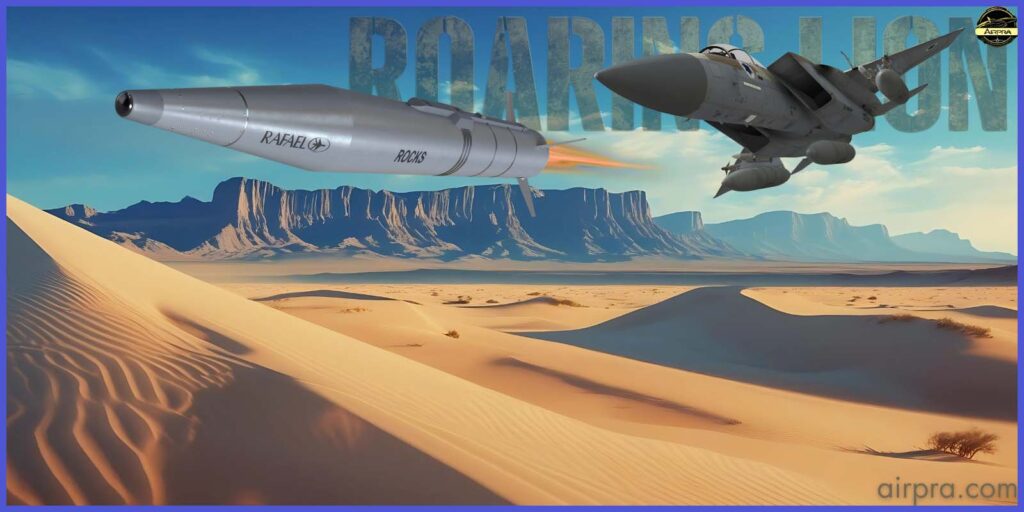
The primary role of these munitions is to neutralise enemy radar installations, destroy hardened command bunkers, eliminate missile launch sites, and suppress air defence systems. By doing so, they effectively open corridors for follow-on air strikes, allowing other fighter aircraft to operate with reduced risk and greater operational freedom.
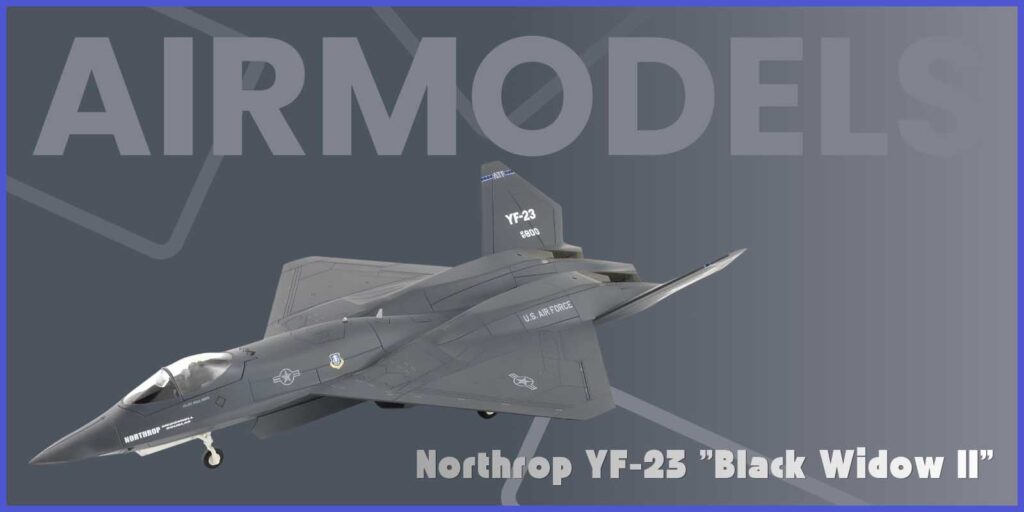
Now you can bring that icon to your collection with a premium 1/72 scale die-cast model, crafted for authentic detail and impressive display presence. Available exclusively through AirModels with worldwide shipping.
Limited stock—will you own the legend?
This is precisely why the F-35I Adir is typically deployed in the initial phase of a conflict. The opening stage of any war is the most dangerous, as enemy air defence systems and missile threats are at their peak readiness.
In such a high-risk environment, the ability to evade detection, complete mission objectives, and return safely to base is what truly defines the effectiveness of a platform like the F-35I.
Long-Range Strike & Standoff Missiles
Now let’s examine Israel’s other fighter jets and the weapons deployed on them, particularly during the second phase of Operation Roaring Lion.
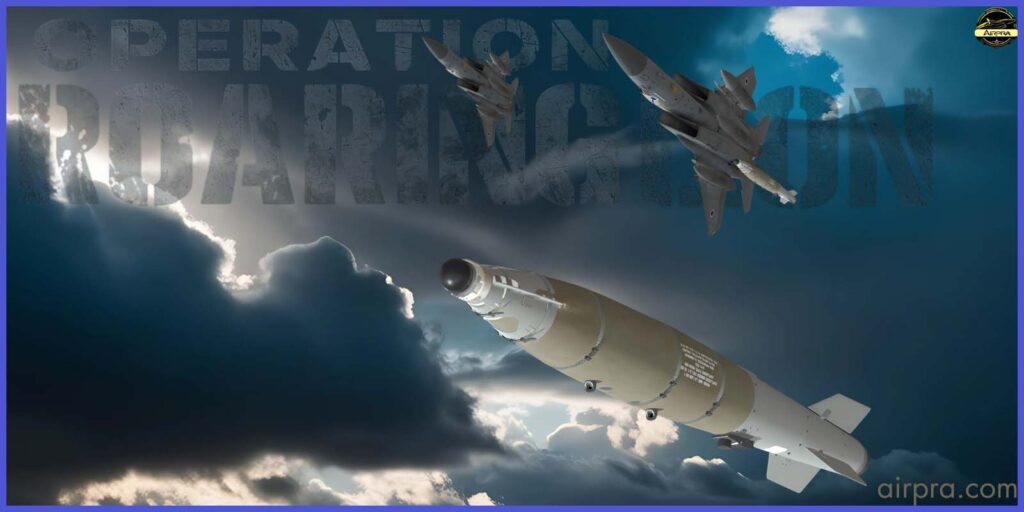
Israel relies heavily on American-origin platforms such as the F-15I Ra’am and the F-16I Sufa. Both aircraft have been extensively modified to meet Israeli operational requirements, including upgraded avionics, electronic warfare suites, and weapon integration. These platforms are capable of carrying significantly heavier payloads compared to stealth fighters and are typically deployed once enemy air defences have been degraded to a manageable level.
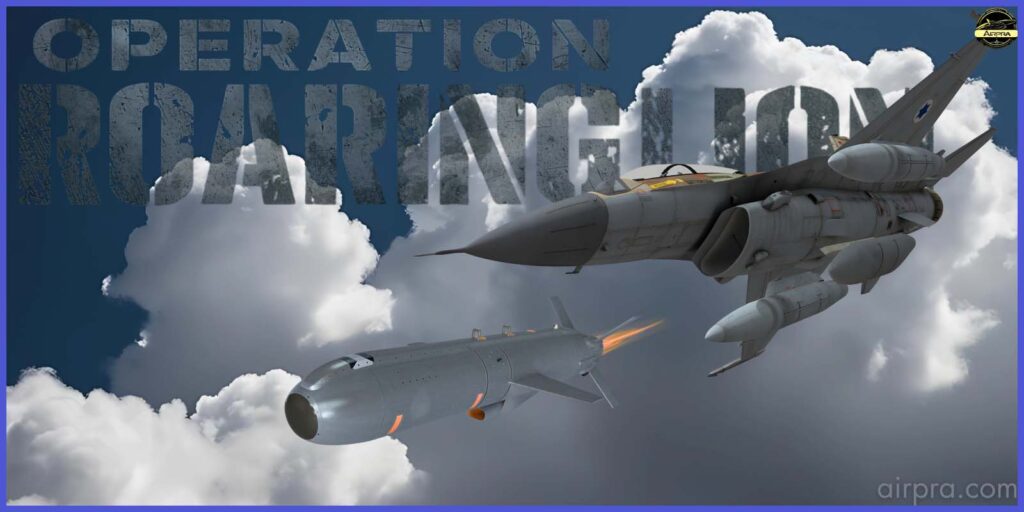
Among the key weapons integrated with these aircraft is the Air LORA, an air-launched ballistic missile with a range exceeding 400 kilometres. It utilises a combination of GPS guidance and terminal electro-optical (TV-based) guidance, enabling highly accurate strikes against high-value and fortified targets.
In addition, Israel has employed long-range stand-off weapons to minimise pilot exposure to hostile air defence environments. Notable among these are the Rampage missile and the Popeye II, both of which allow aircraft to engage targets from extended distances while maintaining high precision.
These weapons are particularly effective against time-sensitive or heavily defended targets, enabling strikes without requiring deep penetration into contested airspace.
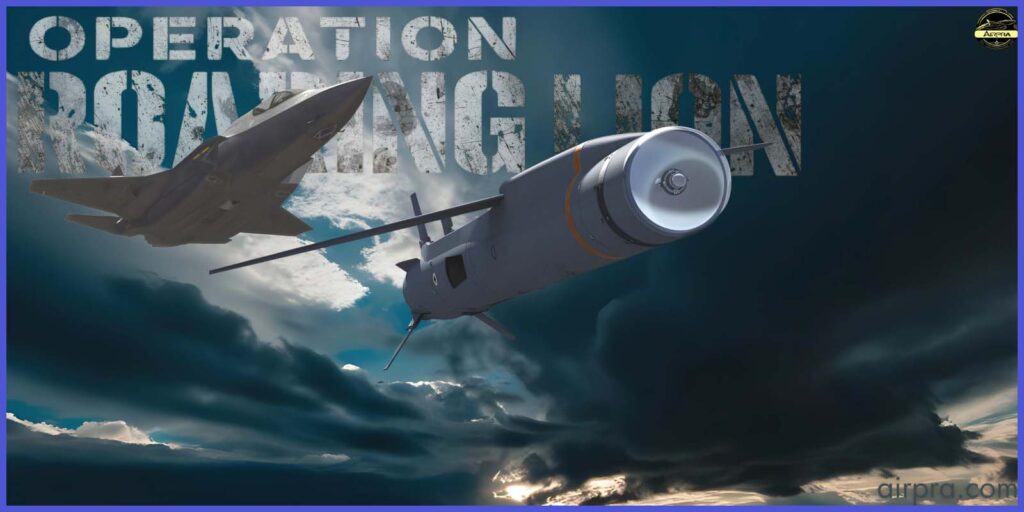
As the campaign progressed into its third phase, following the initial suppression and missile strikes, Israel began employing heavier bomb payloads for deeper target destruction.
These included precision-guided systems such as the SPICE 1000 and SPICE 2000, along with the GBU-31(V)1/B JDAM (based on the Mk-84), and laser-guided bombs like the GBU-12 Paveway II and GBU-49 Enhanced Paveway II. These munitions are specifically designed to destroy hardened and high-value targets with a high degree of accuracy while minimising collateral damage.
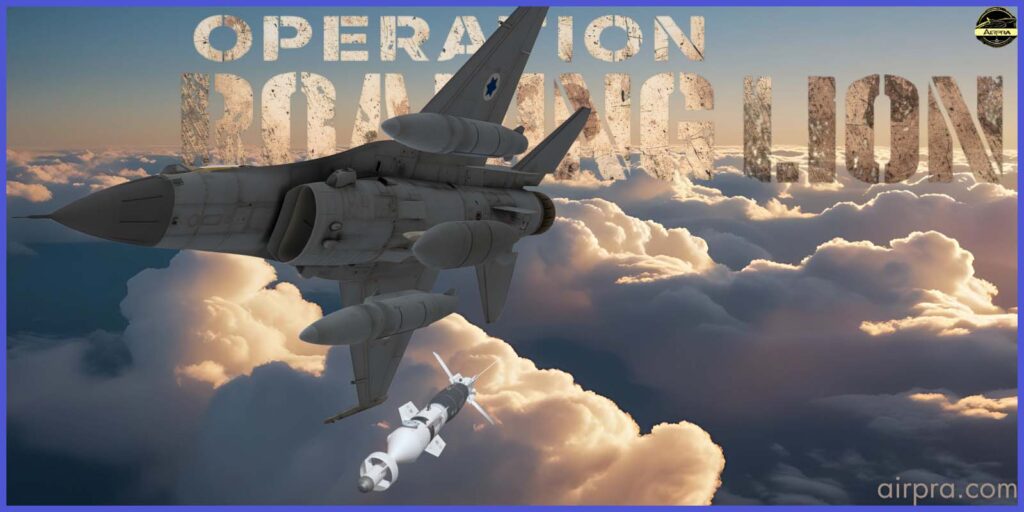
Another important weapon used by Israel is the Delilah missile, developed by Israel Military Industries. This cruise missile is capable of loitering over the target area, tracking moving targets, and striking with an accuracy of approximately 1 meter CEP. Its ability to adjust course mid-flight makes it highly effective against dynamic and mobile threats.
Overall, these weapons are employed to execute highly specific mission objectives, including striking hardened infrastructure, disabling air bases, targeting logistics depots, destroying missile storage facilities, and neutralising air defence systems. Together, they form a layered and adaptive strike architecture designed to systematically degrade the enemy’s warfighting capability.
Endgame Analysis
The strategy behind Operation Roaring Lion clearly demonstrates that modern warfare is no longer won by simply dropping large bombs. Instead, success depends on precision strikes, tightly coordinated operations, and the ability to maintain sustained pressure on the adversary over time.
In such campaigns, every aircraft is assigned a clearly defined role, each weapon is matched to a specific target set, and every strike is part of a carefully pre-planned and calculated strategy. It is this systematic and layered approach that makes a military campaign both highly effective and operationally lethal.
A Quick Message to Our Readers
Some details in our articles may change over time. For the most accurate and up-to-date information, we recommend consulting additional sources.
We’re passionate about providing you with trusted insights into military systems and global developments. Your support helps us continue this work. When you purchase through our affiliate links, you’re helping us grow while receiving high-quality products in return.
Your thoughts matter to us. If there’s a topic or defence system you’d like to learn more about, let us know in the comments—we’ll do our best to cover it. Thank you for being part of our journey. We appreciate your time and interest—happy reading!