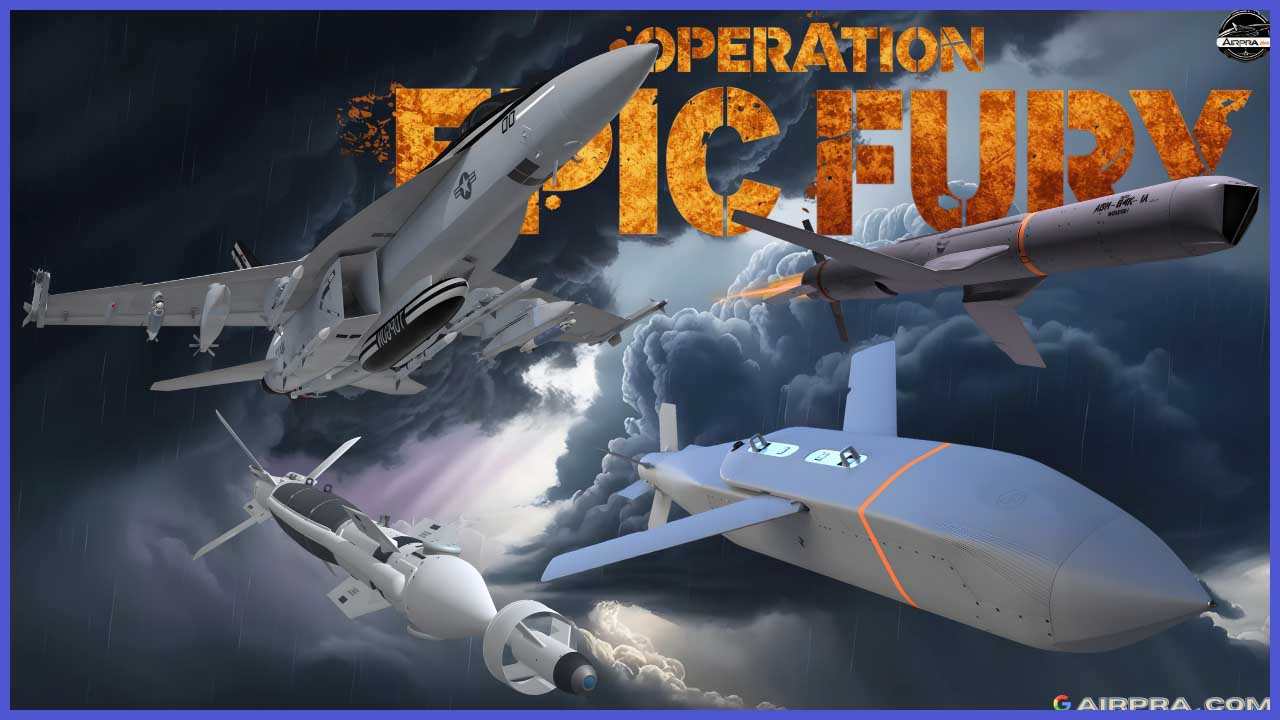
In modern warfare, success is no longer measured by raw firepower alone—it is defined by precision, reach, survivability, and the ability to sustain pressure over time. Operation Epic Fury: U.S. Weapons Against Iran in 2026 reflects this reality. Destroying hardened targets now requires a coordinated mix of intelligence, advanced weapons, and repeated strike capability across multiple domains.
During Operation Epic Fury, the United States does not depend on a single aircraft, missile, or service branch. Instead, it is conducting a layered and multi-domain combat campaign that combines stealth bombers, carrier-based strike aircraft, long-range cruise missiles, air-defence support systems, and deep-penetration bunker-busting weapons designed for fortified underground sites.
This is not simply a symbolic one-night attack. It is a deliberate, methodical dismantling operation aimed at degrading military infrastructure, command networks, missile launch capabilities, logistics hubs, and hardened strategic facilities through sustained pressure.
Every platform involved serves a specific battlefield role—stealth aircraft for penetrating defended airspace, naval assets for persistent long-range strike power, tactical aviation for rapid response, and support systems for protection and coordination. Together, they create a sustained combat architecture rather than isolated attacks.
So in the video below (in Hindi), we clearly and accurately break down the major weapon systems used by the U.S. Air Force, Navy, and Army, the platforms that deploy them, and most importantly, the operational purpose each one serves in this ongoing conflict.
Air Force: Deep Strike & Strategic Penetration
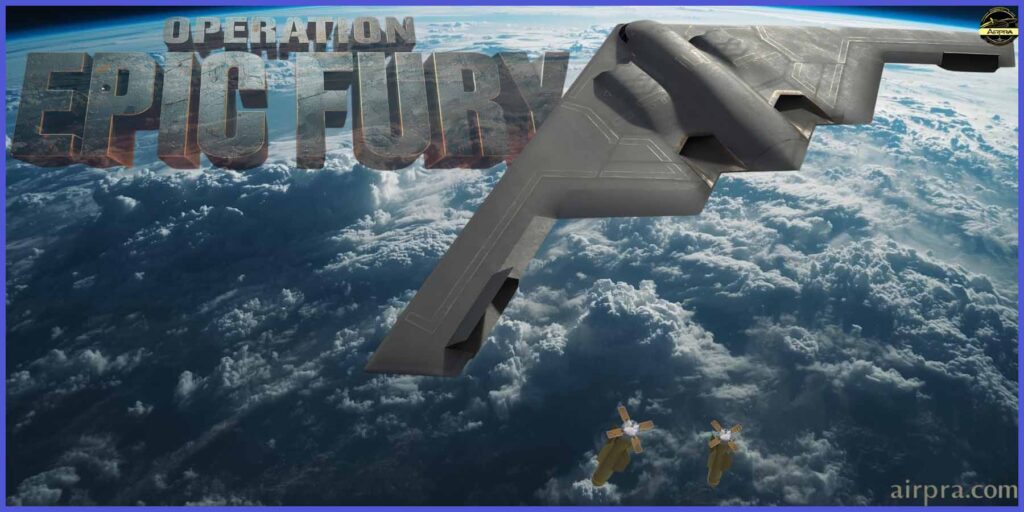
At the centre of this operation is the combination of the Northrop Grumman B-2 Spirit stealth bomber and the GBU-57 Massive Ordnance Penetrator (MOP)—one of the most specialised deep-strike systems in the U.S. arsenal. This pairing is designed specifically for missions against heavily fortified and deeply buried targets that conventional bombs may fail to destroy.
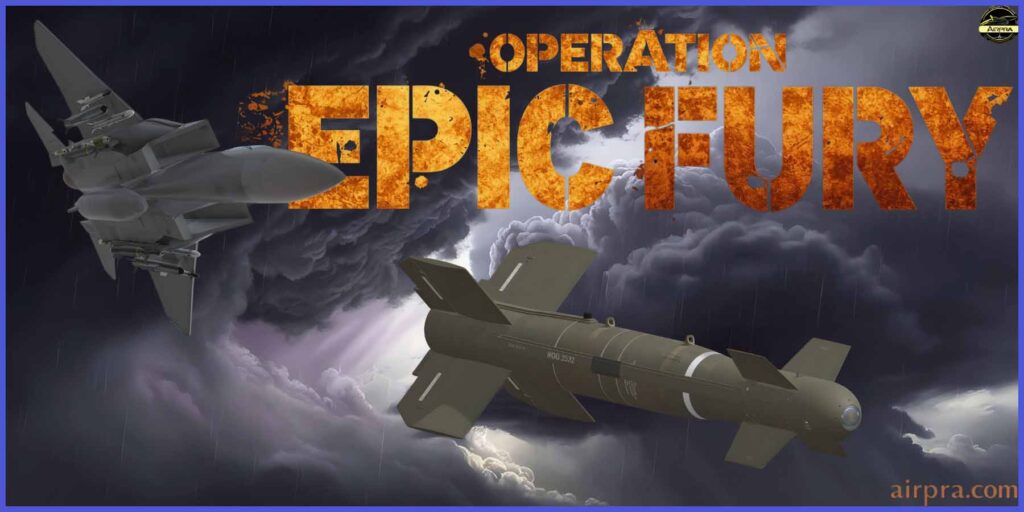
The MOP is far more than a standard bomb. Weighing around 30,000 pounds, it is a precision-guided bunker-busting penetrator built to smash through layers of reinforced concrete, hardened structures, and significant depths of earth or rock before detonating inside the target zone.
Its purpose is to collapse underground chambers, destroy protected infrastructure, and neutralise facilities built to survive normal air attacks.
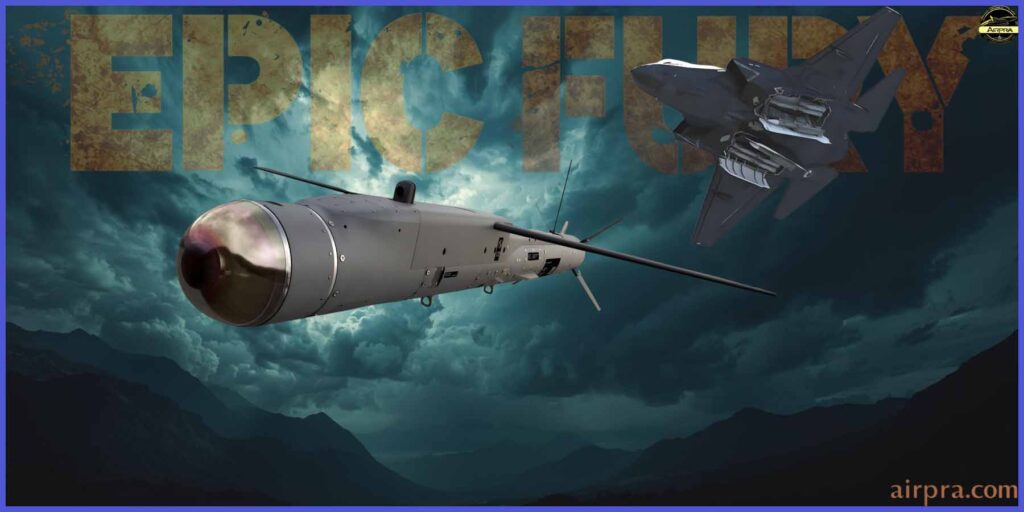
The B-2 Spirit gives this weapon its strategic value. With stealth shaping, long range, and the ability to penetrate dense air-defence networks, the bomber can approach high-value targets with reduced detection risk and deliver massive ordnance with precision.
Together, the B-2 and MOP represent the United States’ premier capability for attacking hardened underground installations during high-intensity conflict.
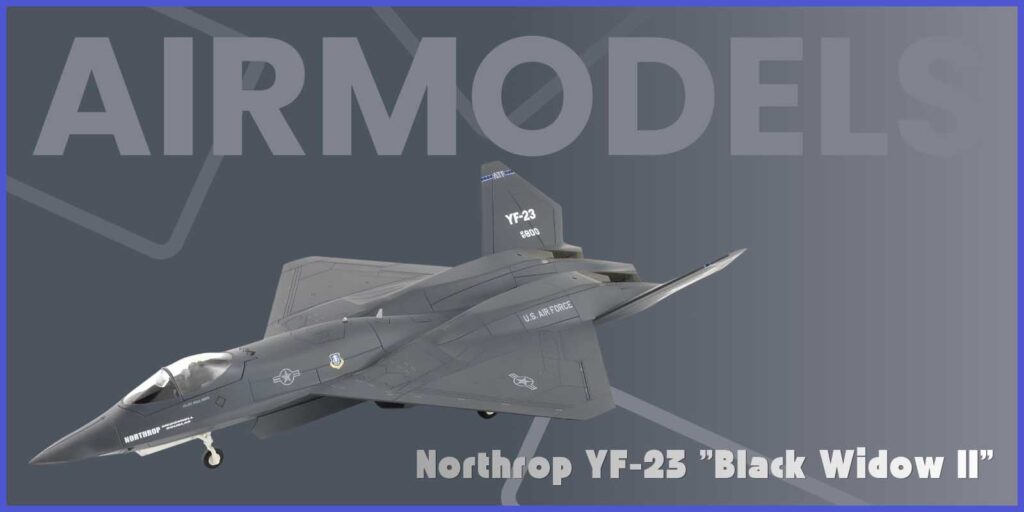
Now you can bring that icon to your collection with a premium 1/72 scale die-cast model, crafted for authentic detail and impressive display presence. Available exclusively through AirModels with worldwide shipping.
Limited stock—will you own the legend?
This capability was first publicly demonstrated during Operation Midnight Hammer, which began on 21 June 2025. Now, during Operation Epic Fury in March 2026, the same strategic strike concept is being applied through repeated attack cycles rather than isolated one-time missions.
The objective is sustained pressure—returning again and again to degrade hardened targets, disrupt repairs, and exhaust enemy defensive capacity.
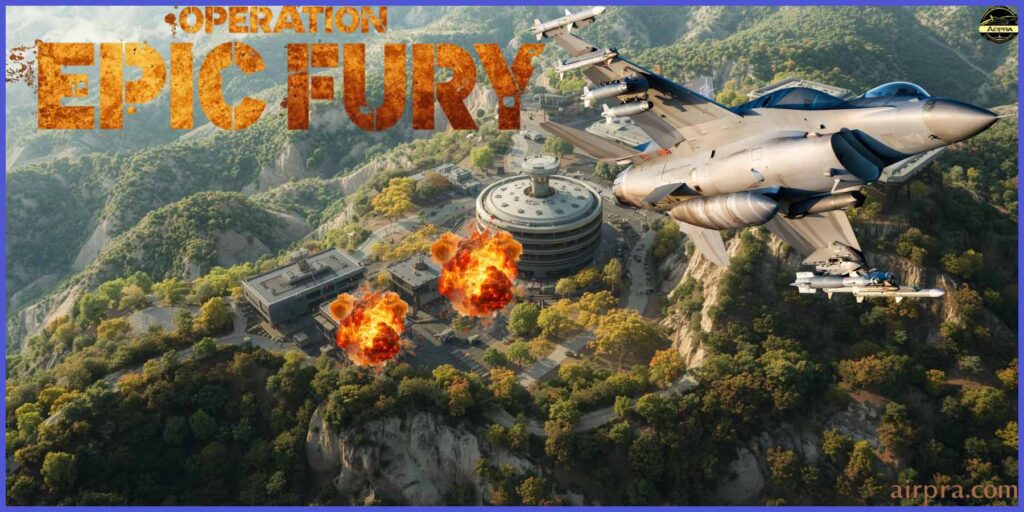
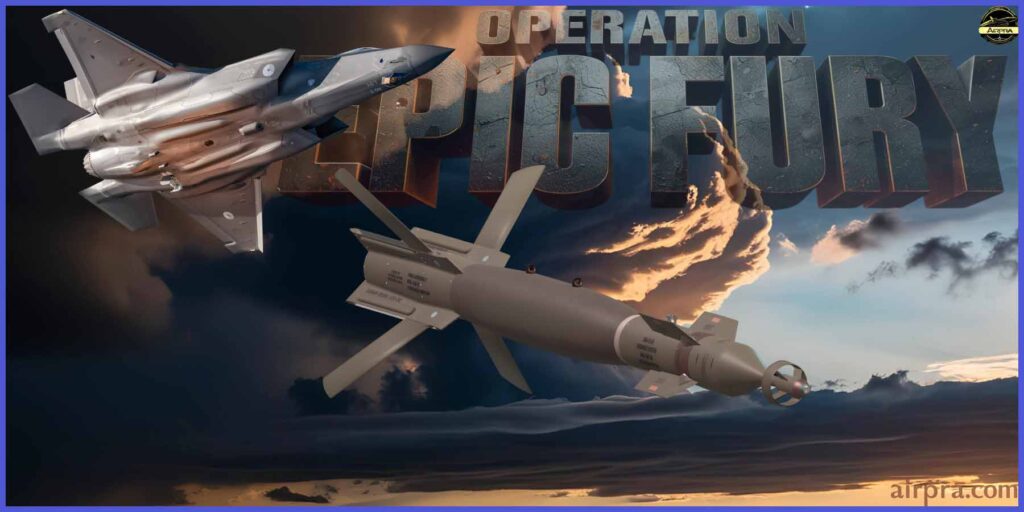
But the U.S. Air Force is not relying solely on the MOP. Alongside strategic bombers, tactical combat aircraft such as the F-15E Strike Eagle, F-16 Fighting Falcon, and F-35 Lightning II are carrying a wide range of precision-guided munitions, including the GBU-31 JDAM, GBU-15, GBU-39 Small Diameter Bomb, and GBU-53/B StormBreaker.
These weapons provide flexibility against mobile, surface, and time-sensitive targets.
Their battlefield role is different from the B-2 mission set. While strategic bombers attack deeply buried infrastructure, fighter aircraft focus on suppressing air-defence systems, destroying missile launch positions, striking radar networks, hitting logistics hubs, damaging army bunkers, and eliminating storage facilities. They also provide rapid-response strike capability as battlefield conditions change.
In simple terms: B-2 + MOP = Deep underground target destruction. Fighter jets + precision bombs = Surface, tactical, and mobile target elimination.
The U.S. Navy brings range, persistence, and continuous strike capability to the battlefield. Operating from aircraft carriers, destroyers, and submarines, it allows the United States to maintain combat pressure for extended periods without relying solely on land bases. This makes naval power one of the most flexible tools in a sustained conflict.
From platforms such as the Arleigh Burke-class destroyer and Virginia-class submarine, the Navy deploys the Tomahawk cruise missile—a long-range precision weapon capable of striking targets hundreds of miles away. These missiles are especially valuable for attacking defended targets without exposing pilots or aircraft to hostile airspace.
Their key roles include destroying air-defence radars, striking command sites, damaging infrastructure, and opening corridors for follow-on air operations.
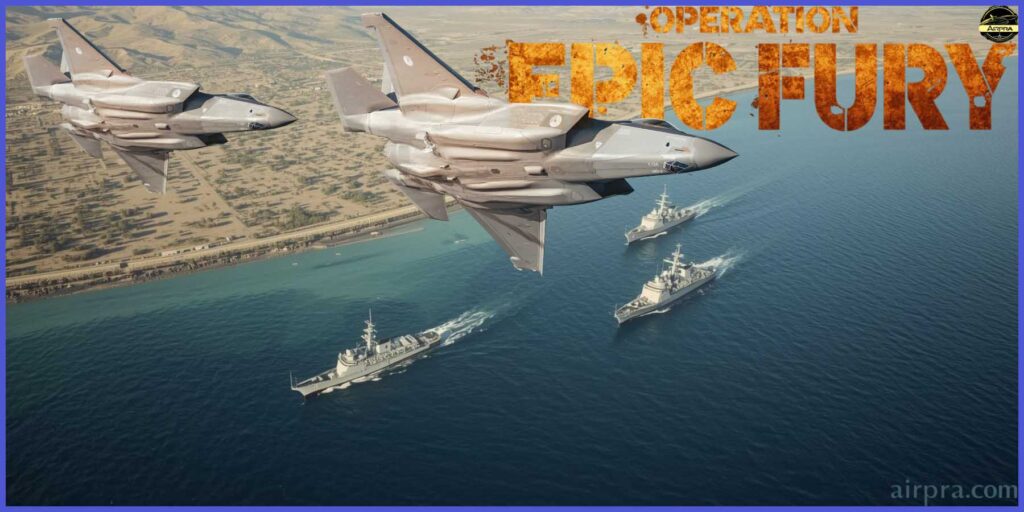
Carrier-based aviation adds another layer of firepower. Aircraft such as the F-35C Lightning II and F/A-18E/F Super Hornet can launch a broad range of precision weapons, including the AGM-154 JSOW, AGM-158 JASSM, AGM-84H SLAM-ER, GBU-12 Paveway II, and GBU-49 Enhanced Paveway II, along with other guided munitions depending on mission requirements.
Their mission set is broad and highly adaptable: striking medium- to deep-range targets, attacking naval bases and coastal infrastructure, hitting high-value facilities at range, targeting missile storage areas and launch zones, and suppressing enemy air defences.
For SEAD missions, aircraft may also employ anti-radiation weapons such as the AGM-88 HARM to destroy hostile radar systems.
In simple terms:
Tomahawk missiles = Long-range first-wave strikes.
Carrier aircraft + precision weapons = Flexible sustained attacks across land and sea targets.
U.S. Army: Missile Defence & Battlefield Support
While the U.S. Army is less visible in direct offensive air strikes, it plays a critical defensive and support role in the wider campaign. Its mission is to protect forces, secure strategic locations, and ensure that air and naval strike operations can continue without major disruption from enemy missile attacks.
Key systems include the Patriot Missile System, a long-range surface-to-air missile platform designed to defend against aircraft, cruise missiles, and certain ballistic missile threats. It provides layered protection for military bases, command centres, airfields, and vital allied infrastructure.
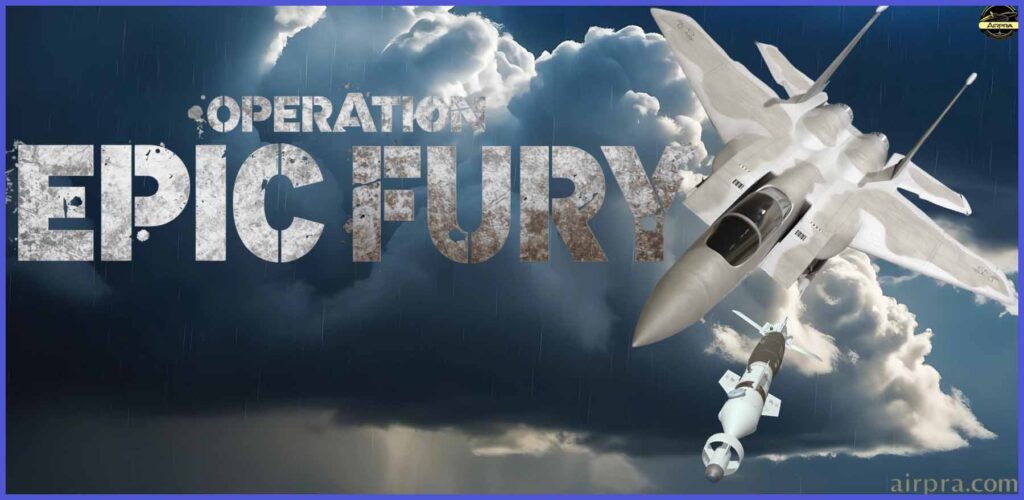
Another major asset is THAAD (Terminal High Altitude Area Defence), a high-end missile defence system built to intercept and destroy short- and medium-range ballistic missiles during the terminal phase of flight, either inside or just outside the atmosphere.
Together, these systems are deployed to intercept ballistic missile attacks, defend bases and partner nations, protect logistics hubs, and maintain operational continuity during sustained combat operations. Without this shield, offensive strike assets would remain vulnerable to retaliation.
Conclusion
Operation Epic Fury demonstrates one clear reality: modern warfare is no longer defined by a single decisive strike. It is shaped by sustained, coordinated pressure across air, sea, land, and networked battle domains. Victory now depends on how effectively multiple platforms, weapons, and services operate together over time.
From stealth bombers and bunker-busting munitions to cruise missiles, carrier aviation, and missile-defence systems, every asset has a specific battlefield role.
No strike stands alone—each one is part of a larger campaign designed to weaken infrastructure, disrupt command networks, suppress defences, and reduce the enemy’s ability to respond. Because in the end, modern war is not about hitting once. It is about hitting with precision, returning with persistence, and ensuring the target cannot recover.
A Quick Message to Our Readers
Some details in our articles may change over time. For the most accurate and up-to-date information, we recommend consulting additional sources.
We’re passionate about providing you with trusted insights into military systems and global developments. Your support helps us continue this work. When you purchase through our affiliate links, you’re helping us grow while receiving high-quality products in return.
Your thoughts matter to us. If there’s a topic or defence system you’d like to learn more about, let us know in the comments—we’ll do our best to cover it. Thank you for being part of our journey. We appreciate your time and interest—happy reading!