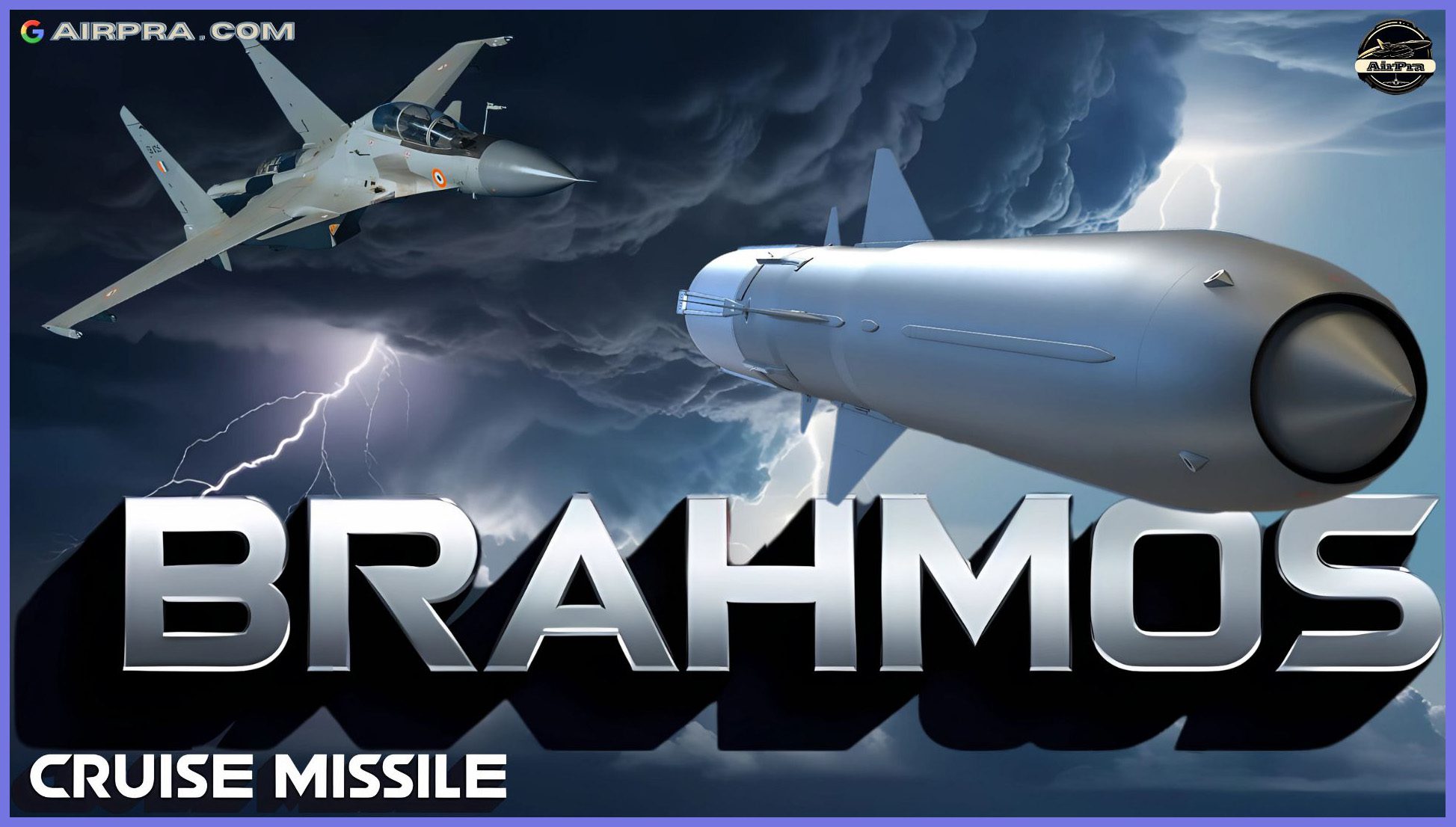
Developed for contemporary warfare and with future requirements in mind, the BrahMos Cruise Missile Leads with Precision and Power, setting new standards in missile technology. Delivering unmatched speed, reliability, and strategic advantage across all combat scenarios.
Dominance Delivered: India’s Supersonic Shield Against Three Fronts
An unparalleled strategic weapon, the BrahMos missile is meticulously engineered for launch from ships, land-based platforms, submarines, and aircraft. This cruise missile serves as a game-changing force multiplier, capable of obliterating enemy assets with unmatched precision and devastating power.

A tactical and strategic marvel, it is designed to decisively counter Pakistani military strongholds on the western front, deter CCP-led Chinese aggression on the eastern front, and safeguard India’s sovereignty against any threat, including potential challenges from Bangladesh.
Equipped with an advanced targeting system, the missile is specifically designed to neutralise Chinese vessels in the South China Sea. It boasts a lethal 2:1 kill ratio with a two-missile, one-ship sinking strategy, ensuring overwhelming maritime dominance and strategic supremacy.
Let’s delve into one of the most formidable cruise missiles ever created—designed and developed in the late 1990s through a powerful collaboration between India and Russia—the BrahMos cruise missile, known for its exceptional speed, pinpoint accuracy, and unmatched versatility across land, sea, and air platforms.
Renowned for its unmatched speed, agility, and firepower, the BrahMos cruise missile stands as a symbol of precision and dominance on the modern battlefield.
Interestingly, within some NATO circles, it has earned the unofficial nickname “Widow Maker“—a testament to its devastating strike capability and extraordinary ability to penetrate even the most advanced integrated air defence systems with surgical accuracy.
BrahMos takes its name from the Brahmaputra and Moskva rivers in India and Russia. It is a ramjet-powered supersonic cruise missile that can be launched from submarines, ships, aircraft, and mobile launchers. Developed jointly by India’s DRDO and Russia’s NPO Mashinostroyeniya, BrahMos Aerospace was established with its headquarters in New Delhi.
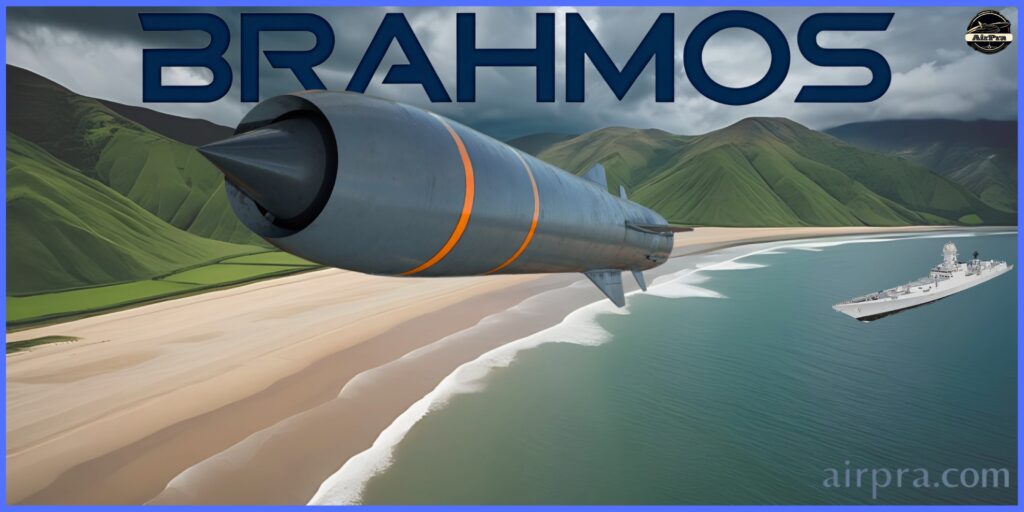
Founded on December 5, 1995, BrahMos Aerospace started with an authorised capital of $250 million. India owns a majority 50.5% share, while Russia holds 49.5%. Since 2004, the BrahMos missile has been extensively tested on various platforms, including a notable land trial at Pokhran where it executed an evasive ‘S’ manoeuvre at Mach 2.8.
Following India’s entry into the Missile Technology Control Regime in 2016, the missile’s range was increased from 300 km to 900 km. In 2024, the Indian Navy placed an order for 220 extended-range BrahMos missiles with a reach of 800 km.
In 2022, the former CEO of the BrahMos program, Mr Atul D. Rane, stated that a next-generation hypersonic missile—likely to be named BrahMos-II—will be developed with characteristics similar to those of the Russian 3M22 Zircon hypersonic cruise missile.

Precision in Motion: The Development Saga of BrahMos
Designed for rapid precision strikes, the BrahMos cruise missile is derived from the Russian P-800 Oniks but has been significantly modified to suit India’s specific needs. Its maiden test launch took place on June 12, 2001, at the Integrated Test Range in Chandipur using a vertical launch setup.
Another successful trial from a mobile launcher followed on June 14, 2004. The Army’s Block-I version, featuring upgraded capabilities, underwent successful tests near Pokhran in December 2004 and again in March 2007.
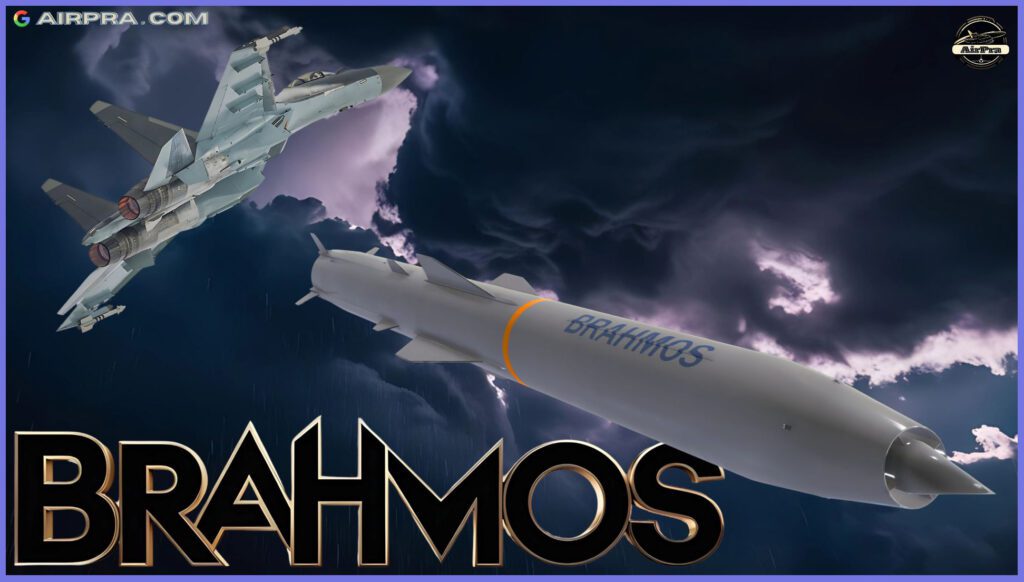
Supersonic Firepower on Wheels – Indian Army’s Mobile Surface-Launched BrahMos Arsenal
These are the earliest and most widely deployed variants, currently in service with both the Indian Army and the Indian Navy.
Army Variant (Blocks I, II, III): Block I, inducted in 2007, was designed for the Indian Army to conduct high-precision strikes on fixed land targets.
Block II of the BrahMos missile introduced advanced target discrimination capabilities and was optimised to engage mobile, smaller, and more challenging targets effectively. On 5 September 2010, BrahMos set a world record by becoming the first cruise missile to be successfully tested at supersonic speed in a steep-dive mode, launched from Chandipur’s LC-3 range.
This milestone test validated the Indian Army’s operational requirement for precision land-attack missions, featuring advanced seeker software that enables BrahMos to uniquely select and strike a specific target accurately from multiple options, making it the only supersonic cruise missile with such capability.
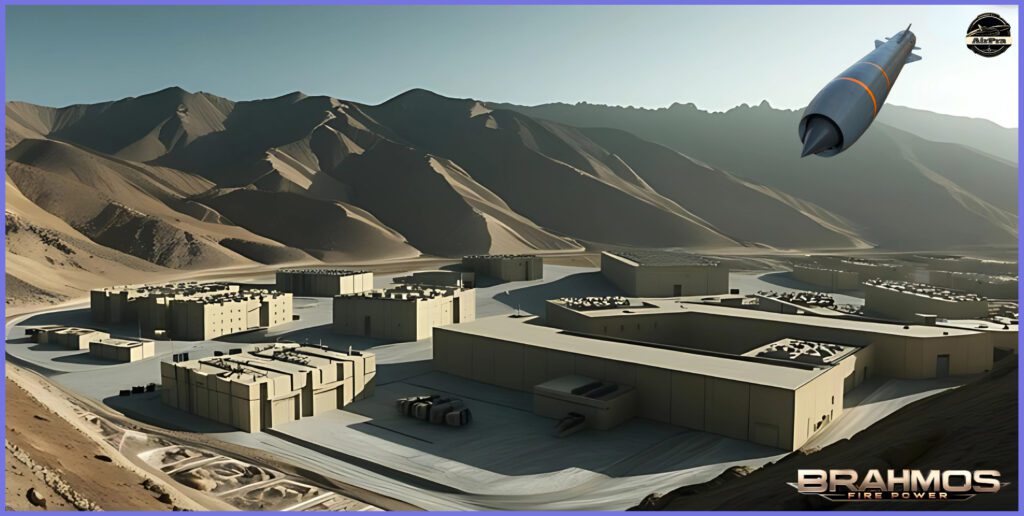
Block III introduced a high-altitude steep-dive capability, making it especially effective for targeting positions in mountainous regions, such as India’s northeastern front. It incorporates enhanced manoeuvrability and advanced guidance algorithms, enabling precise high-angle steep dives tailored for mountain warfare.
Additionally, the missile can engage ground targets from altitudes as low as 10 meters, allowing for highly accurate surgical strikes with minimal collateral damage.
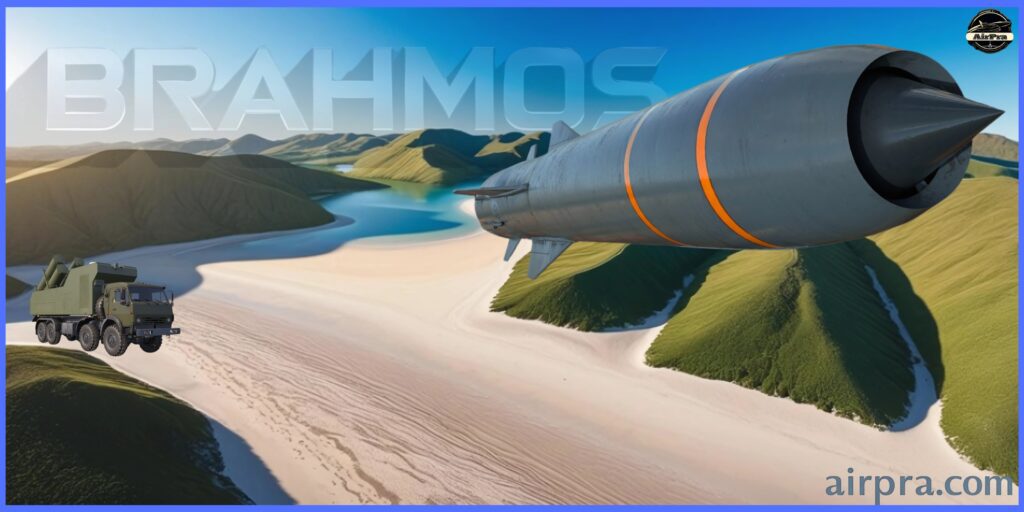
All these variants have demonstrated their reliability through numerous successful tests and can be launched from the Army’s land-based Mobile Autonomous Launchers (MAL) mounted on Tatra trucks, providing excellent mobility and rapid deployment.
With a range initially between 300 and 500 km (186–311 miles), later versions have extended this to over 800–900 km (497–560 miles). Travelling at speeds of Mach 2.8 to 3.0, BrahMos missiles can strike deep into enemy territory within minutes.
Shipborne Supremacy – BrahMos Rules the Waves
Regarding the Indian Navy, on 5 March 2008, the land-attack variant of the BrahMos missile was successfully launched from the destroyer INS Rajput, accurately hitting the intended target among a cluster of targets. Later, on 18 December 2008, a vertical launch was conducted from INS Ranvir.
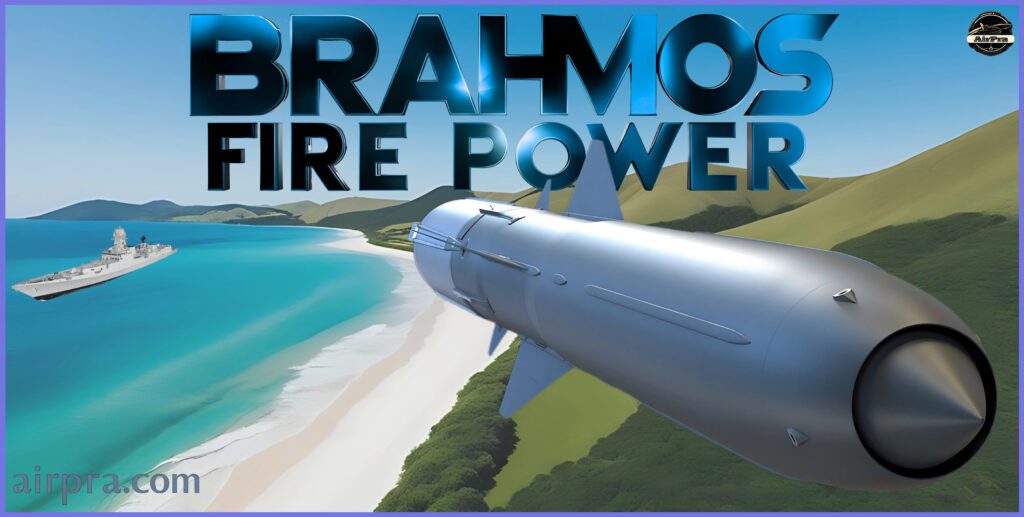
Since then, BrahMos missiles have been deployed on several Indian Navy warships, including the Rajput-, Talwar-, Kolkata-, and Visakhapatnam-class destroyers.
These ship-launched missiles are capable of performing both anti-ship and land-attack missions, employing sea-skimming flight paths and terminal manoeuvres to effectively evade enemy interception.
Silent Strike Beneath the Waves – The Submarine-Launched BrahMos
In March 2013, the BrahMos missile was successfully test-fired from a submerged platform near Visakhapatnam. This submarine-launched variant is capable of being fired from depths of 40 to 50 meters (130 to 160 feet) using standard 533 mm torpedo tubes.
It is planned for use on future Indian submarines such as the Project 75I and Arihant classes. This version provides stealth and surprise attack capabilities, with range and speed similar to its surface-launched counterparts.

From Jet to Target in Seconds – The Air-Launched BrahMos-A
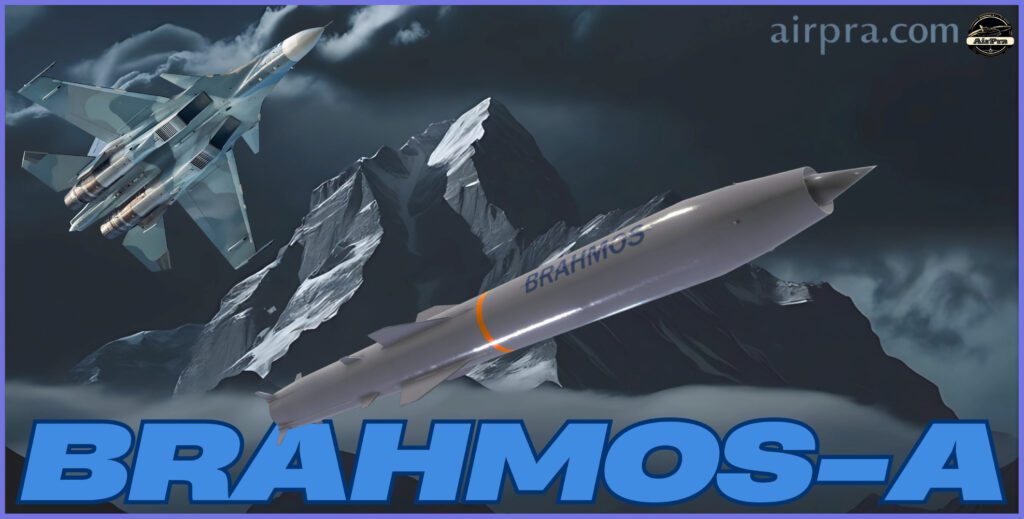
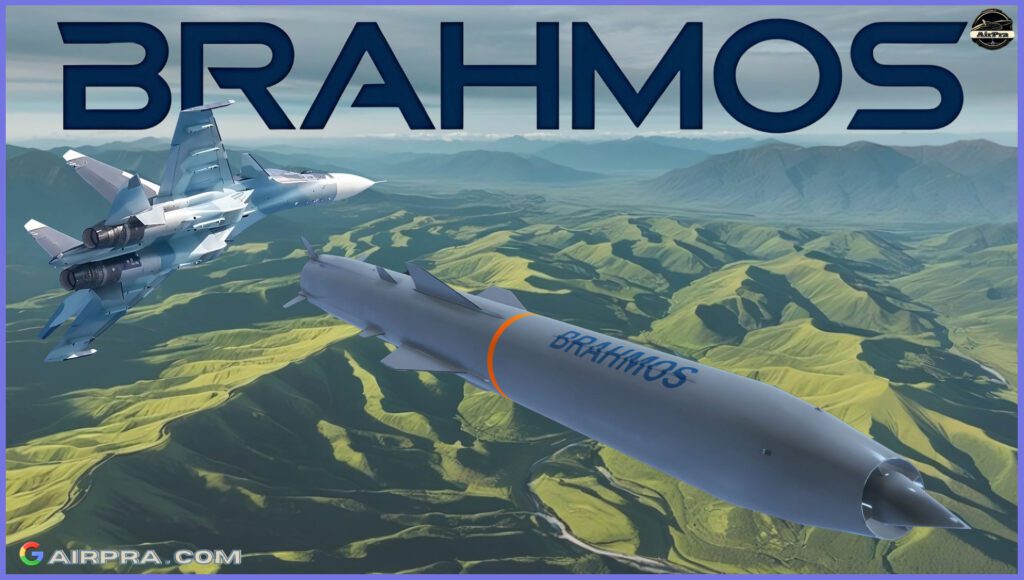
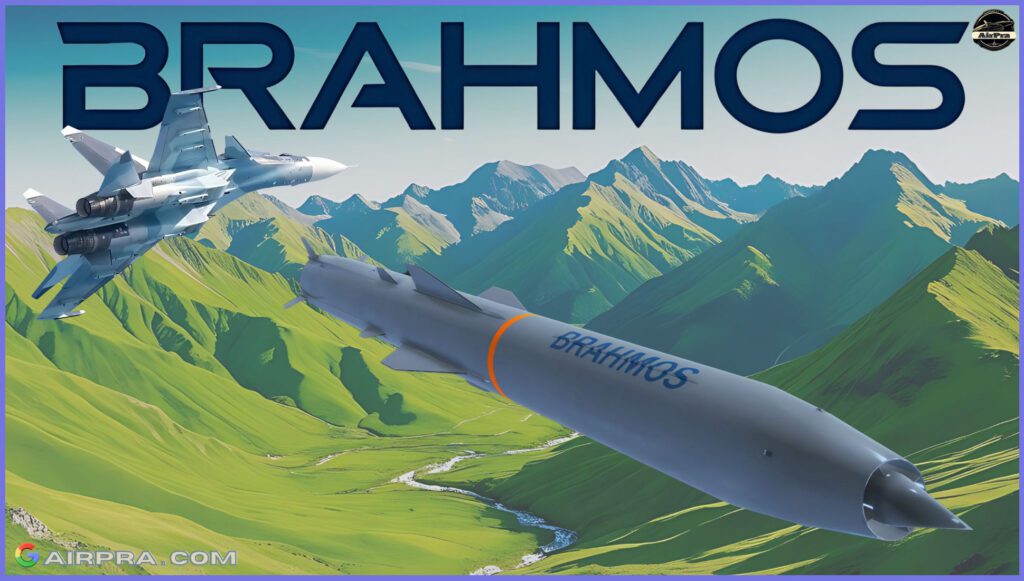
Now, turning to the most versatile and deadly variant—the BrahMos-A, designed for air launch. Tailored specifically for the Indian Air Force’s Su-30MKI fighter jet, this version features a lighter weight of approximately 2.5 tons, redesigned fins, and a strengthened airframe.
These changes required significant modifications to both the missile and the aircraft. According to BrahMos Aerospace director Dr A. Sivathanu Pillai, the BrahMos-A will employ air-breathing scramjet propulsion, enhancing fuel efficiency compared to conventional rocket-powered missiles.
The BrahMos-A can engage both land and sea targets from extended standoff ranges, effectively boosting the Su-30MKI’s strike reach to around 1,500 km—including the missile’s range—without requiring the aircraft to penetrate hostile airspace.
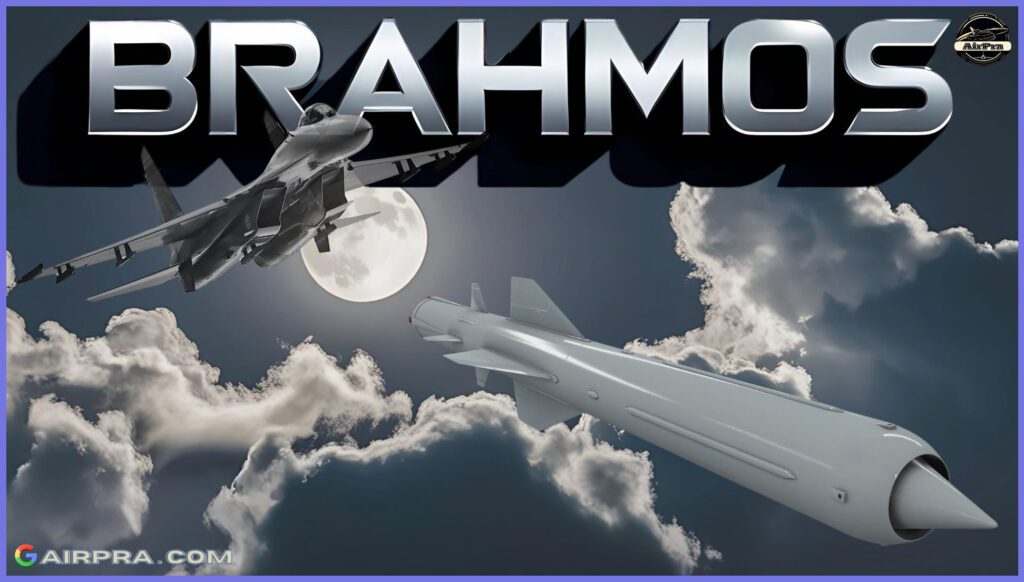
It can be launched from altitudes ranging between 500 and 14,000 meters (1,640 to 46,000 feet). After release, the missile free-falls for approximately 100 to 150 meters before accelerating into a high-speed cruise phase at 14,000 meters, then descends to just 15 meters during the terminal phase to strike its target precisely while evading enemy defences.
The BrahMos-A missile was first successfully test-fired from a Sukhoi-30MKI over the Bay of Bengal on 22 November 2017, marking the Indian Air Force as the first worldwide to launch an air-launched trisonic missile against a maritime target.
Later, on 17 December 2019, the IAF confirmed that BrahMos-A integration with the Su-30MKI was complete. By 20 January 2020, the IAF had commissioned its inaugural squadron of Su-30MKIs armed with the BrahMos-A missile.
Since its initial test in 2001, the BrahMos missile has completed 75 successful launches, with just three unsuccessful attempts. Used by India’s Army, Navy, and Air Force, it has demonstrated exceptional precision and flexibility, establishing itself as a crucial component of India’s defence capabilities.
BrahMos Missile Specs You Should Know
The missile’s standard version weighs approximately 3,000 kg, while the air-launched variant is lighter at around 2,500 kg. It measures 8.4 meters (28 feet) in length and has a diameter of 0.6 meters (2 feet). The warhead can range between 200 and 300 kg (440 to 660 pounds), capable of carrying nuclear, conventional, or semi-armour-piercing payloads.
Its propulsion consists of a two-stage system: a solid rocket booster for initial launch, followed by a liquid-fueled ramjet that sustains its supersonic cruise. The missile can fly close to the sea surface at altitudes as low as 3 to 10 meters and achieves speeds reaching Mach 3.
Navigation relies on an inertial system supported by satellite guidance, switching to active radar homing during the final approach, which ensures precise targeting with a circular error probable (CEP) of just one meter.
Supersonic Legacy, Hypersonic Future: The Rise of BrahMos-NG and BrahMos-II
BrahMos-NG is a next-generation, lighter, and faster missile variant designed for use across a broader range of platforms, including smaller aircraft and naval vessels. It is planned to be integrated with aircraft such as the Sukhoi Su-30MKI, Mikoyan MiG-29K, HAL Tejas, Dassault Rafale, and eventually the HAL Tejas Mk 2.
This version will have a reduced radar cross-section (RCS) to enhance its stealth capabilities against air defence systems. Additionally, BrahMos-NG will be equipped with an advanced AESA radar, replacing the mechanically scanned radar found in earlier models.
BrahMos-II, being jointly developed by India’s DRDO and Russia’s NPO Mashinostroyeniya, is a hypersonic cruise missile inspired by Russia’s Zircon. It is projected to have a range of 1,500 km (930 miles; 810 nautical miles) and reach speeds up to Mach 8.
Powered by a scramjet air-breathing engine during its cruise phase, the missile promises exceptional speed, precision, and the ability to conduct deep-strike missions.
A Note to Our Readers
Some information in this article may become outdated after publication, so we recommend checking the latest sources for the most accurate insights. We’re committed to providing high-quality content on military systems and global defence updates. Your support helps us continue this mission.
By purchasing through our affiliate links, you help us stay operational while accessing quality products. We deeply appreciate your support—it drives us to do more.
We also welcome your feedback and topic suggestions. If there’s a specific defence system or product you’d like us to cover, let us know in the comments. Thank you for being a valued part of our community, and enjoy reading!