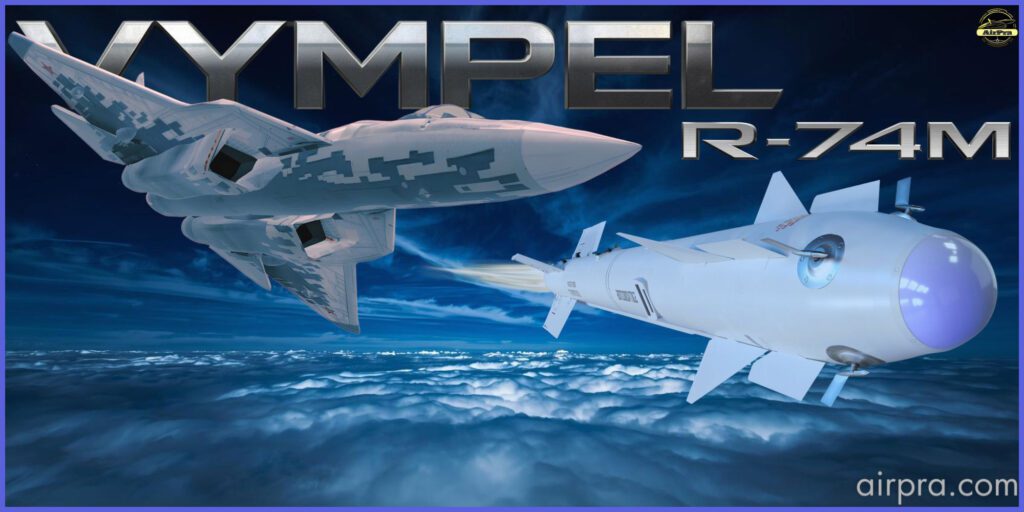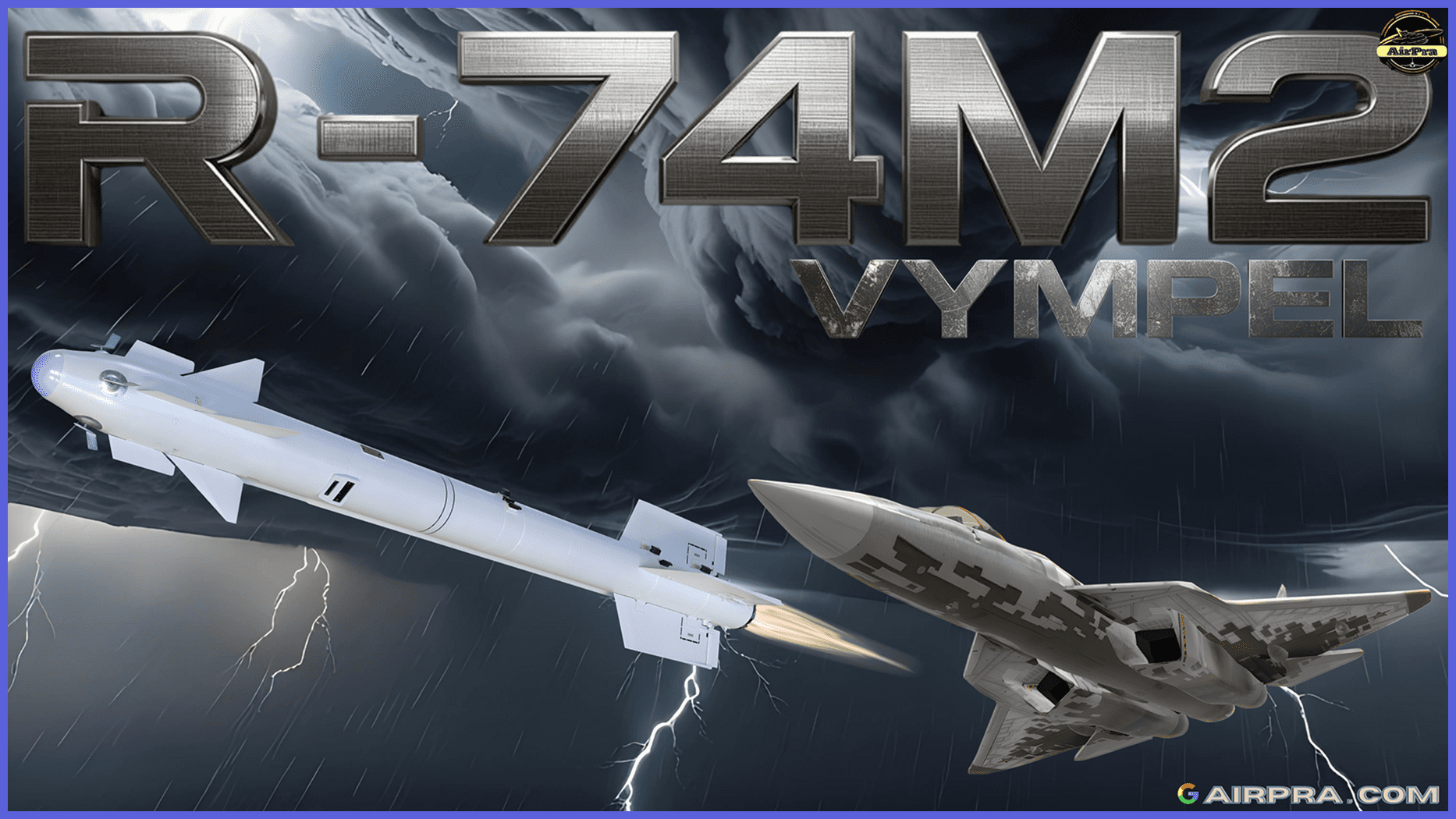
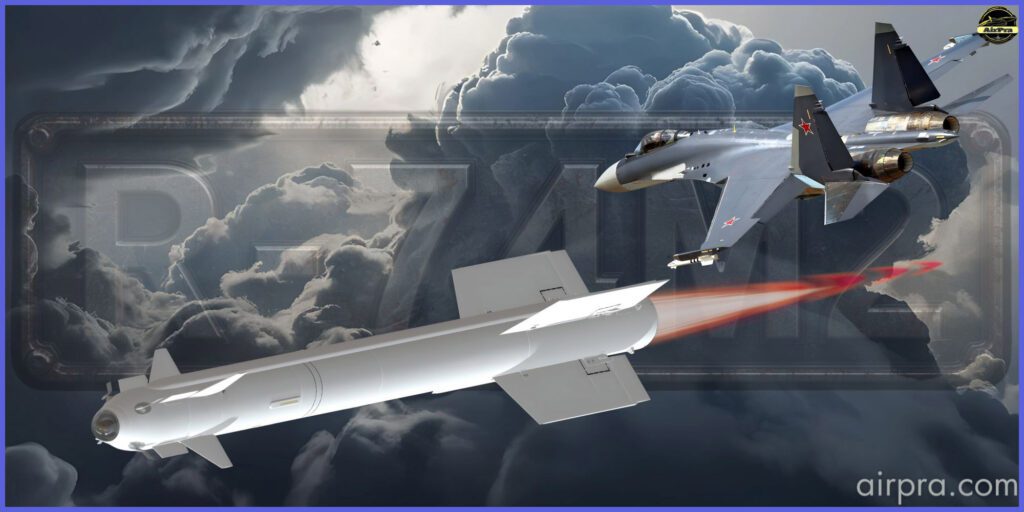
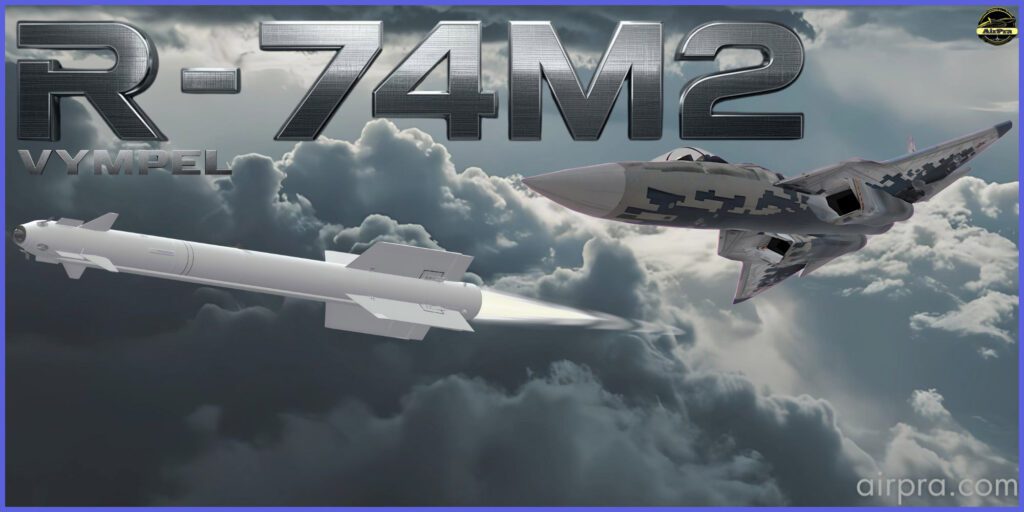
Stealth Felon and lethal seeker collide: Sukhoi’s Su-57 now carries the battle-hardened R-74M2, pairing fifth-generation sensors with blistering short-range lethality. ” Locked Before You Know It — The R-74M2 Splash Master! ” Internally stowed and hardened against flares and jamming, the missile delivers blistering Mach 2+ speed, 40g turns, and INS-guided reach.
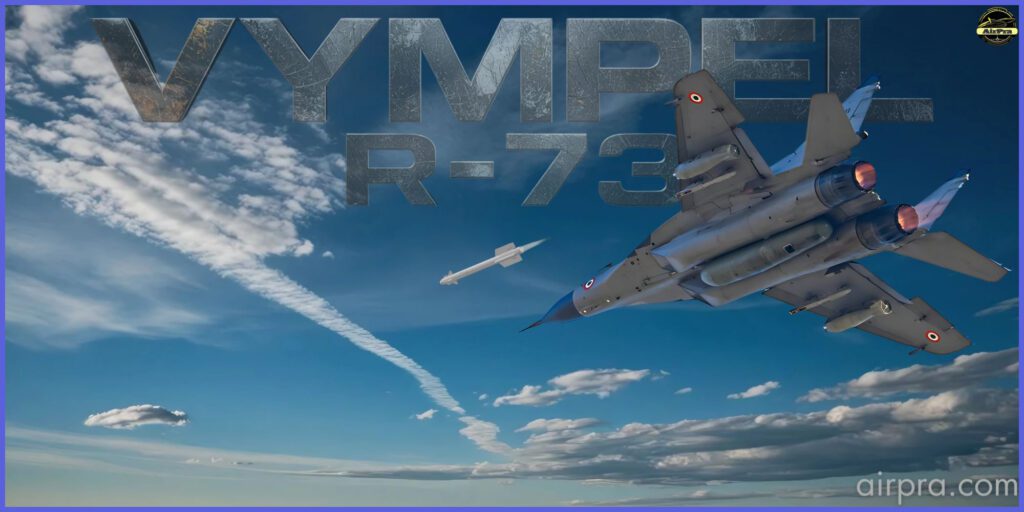
Test sorties have proven bay compatibility and rapid-lock performance, turning the Su-57 into an unstoppable close-combat predator that locks, fires, and confirms splash with terrifying precision and speed.
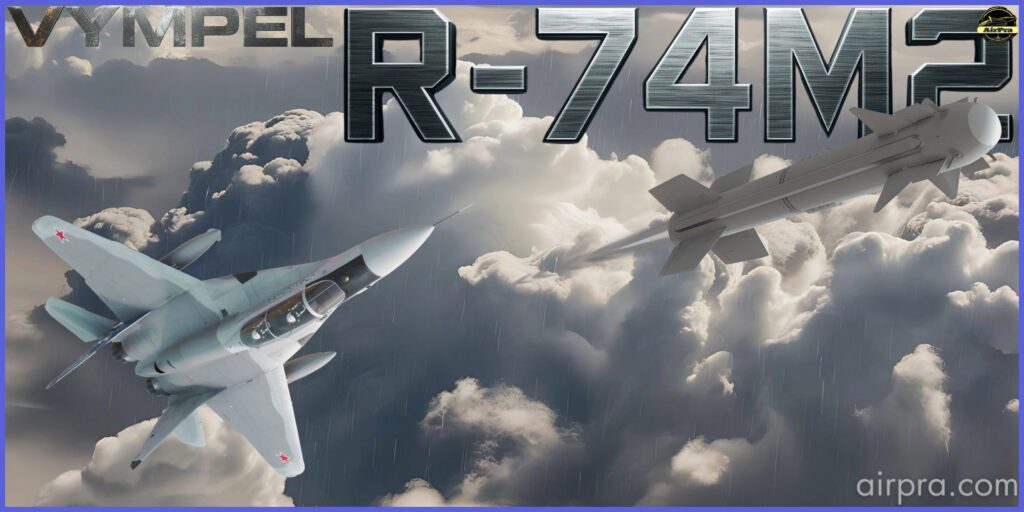
The Deadly Eye ___ Designed for Close Aerial Combat
In air combat, one split second decides who lives and who doesn’t.
When aircraft close in for a dogfight, pilots need a weapon that reacts as fast as they do — and hits even quicker. That’s where the Russian R-73 missile comes in — known to NATO as the AA-11 Archer. A weapon so agile, so advanced for its time, that it forced the West to rethink air combat itself. This is the story of the R-73 — the missile that changed how fighter pilots fight and survive.
The Need for a New Missile
The story begins in the late 1970s, at the height of the Cold War. The Soviet Air Force realised that its existing short-range missile, the R-60 (AA-8 ‘Aphid’), was becoming outdated. While fast and compact, it lacked sufficient range, seeker sensitivity, and off-boresight capability.
At the same time, Western nations were developing newer versions of the AIM-9 Sidewinder, improving their heat-seeking precision. To maintain an edge in close combat, the Soviets needed something revolutionary — a missile that could see wider, react quicker, and hit harder.
That challenge was handed to the Vympel NPO — the same production company behind many of Russia’s most iconic missiles.
The Rise of the R-73
Work on the R-73 began around 1973 to develop a highly agile, heat-seeking short-range air-to-air missile. After years of testing and refinement, it entered service with the Soviet Air Forces in 1984. Unlike earlier short-range weapons, the R-73 was optimised for close-in engagements where every degree of turn and every millisecond of response mattered.

Compact and fast, it combined a sensitive infrared seeker with high off-boresight capability, allowing pilots to lock targets well away from the aircraft’s nose. It proved to be a genuine game-changer.
Design & Technology Behind the Killer Instinct
Compact yet lethal — the R-73 carries immense power in a small frame. It measures 2.93 metres in length, has a diameter of 165 millimetres, and a wingspan of 510 millimetres. Every inch of its design is optimised for agility and precision.
Despite its lightweight structure, the R-73 strikes with unmatched speed and accuracy, making it a formidable weapon in the chaos of close aerial combat.
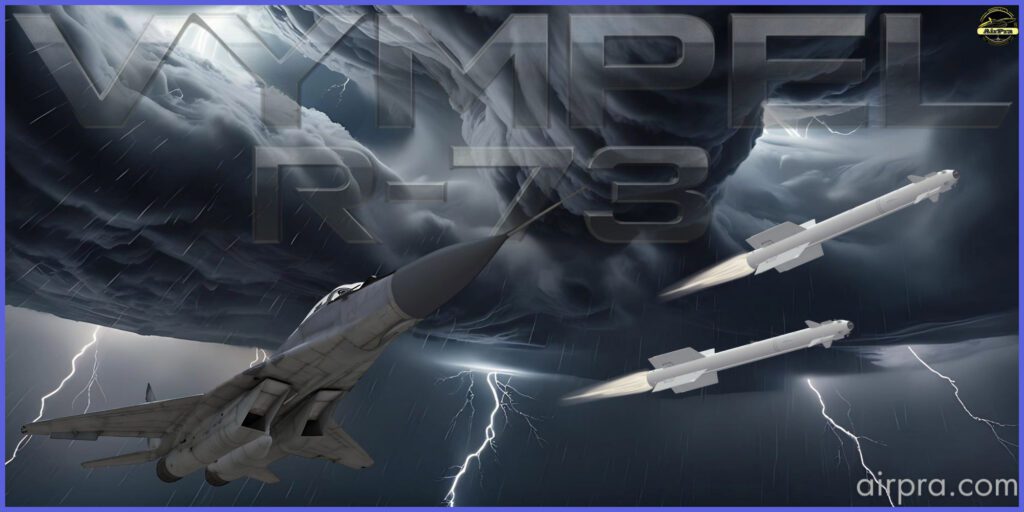
At its core, the R-73 is an infrared-guided, short-range missile, designed to track the heat signatures of enemy aircraft with a highly sensitive seeker. Its guidance system features all-aspect infrared homing capability, allowing it to engage targets from virtually any angle.
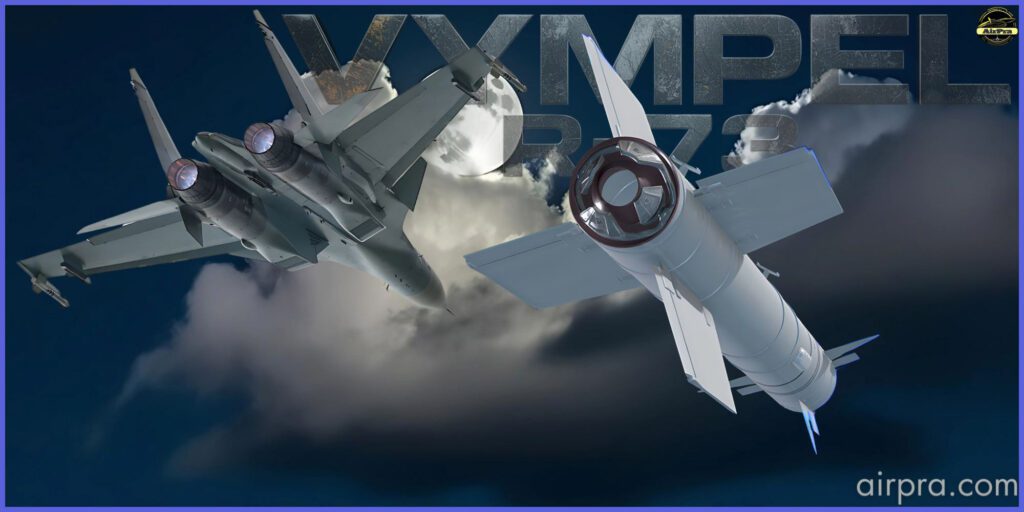
What truly set the R-73 apart was its helmet-mounted sight system. For the first time, a Soviet pilot could simply look at a target — even far off to the side — and the missile would lock onto it instantly. This provided a massive tactical advantage, particularly in high-speed, tight-turning dogfights.
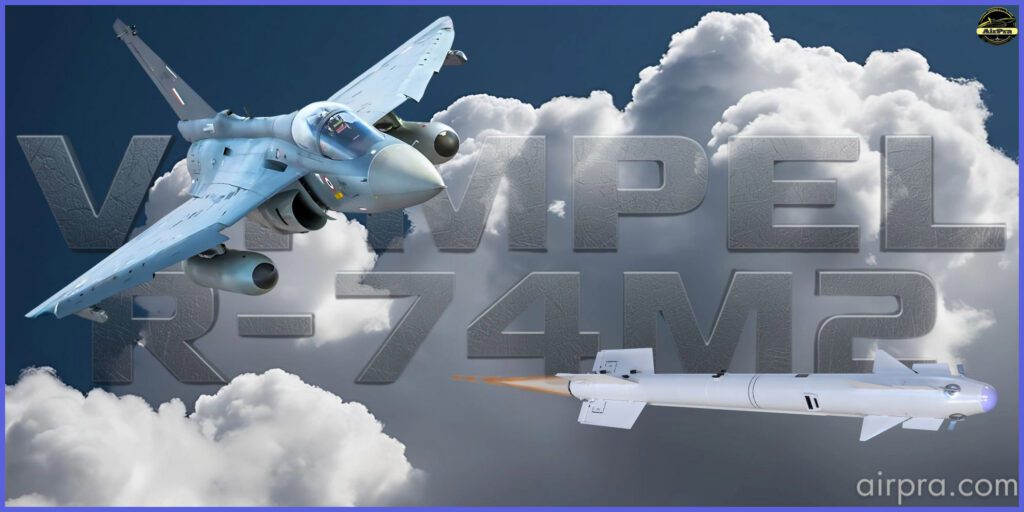
Powered by a solid-fuel rocket motor, the missile can reach speeds exceeding Mach 2.5. Its aerodynamic design allows it to endure turns of up to 40 g, while its effective range spans from 300 meters to 30 km, making it highly versatile for close engagements.
Its 7.4-kg warhead, equipped with both proximity and contact fuzes, ensures that even a near miss can cripple or destroy the target, making the R-73 a formidable weapon in any air combat scenario.
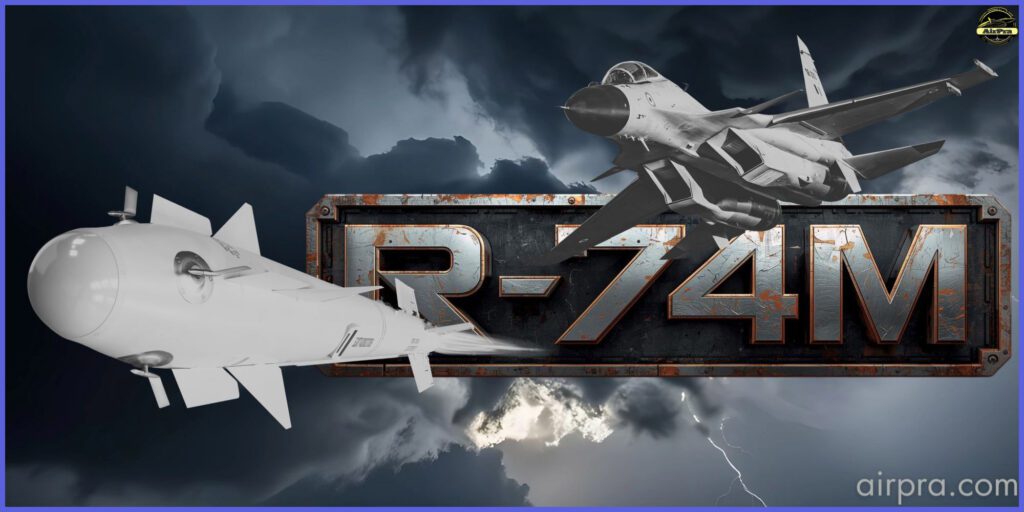
The Missile That Shocked the West
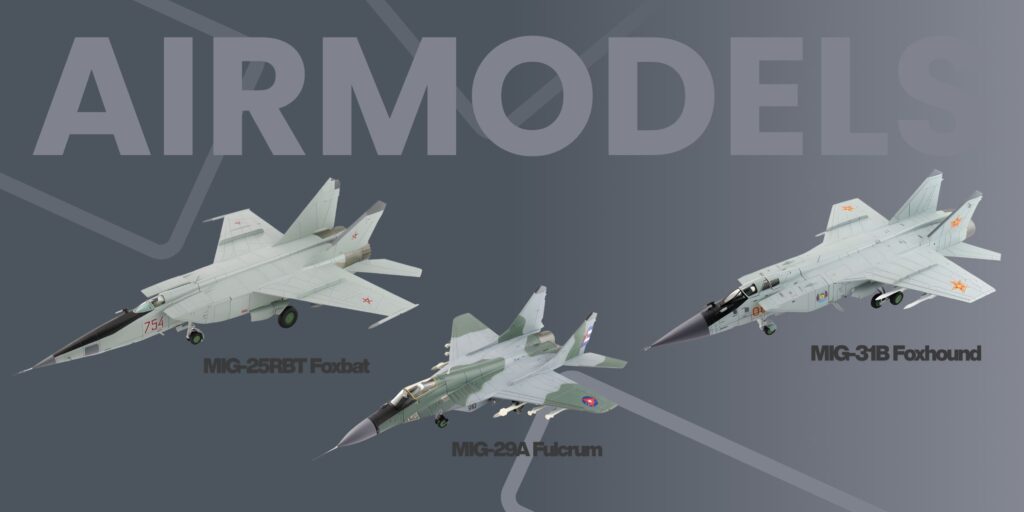
When the R-73 entered service, it was integrated into frontline Soviet fighters such as the MiG-29 Fulcrum and the Su-27 Flanker. However, its true revelation came only after the end of the Cold War.
After the reunification of Germany in 1990, both Germany and several former Warsaw Pact nations inherited significant stockpiles of R-73 missiles. When NATO pilots tested them, they were stunned. The missile’s off-boresight capability and agility were far superior to Western weapons of the time.
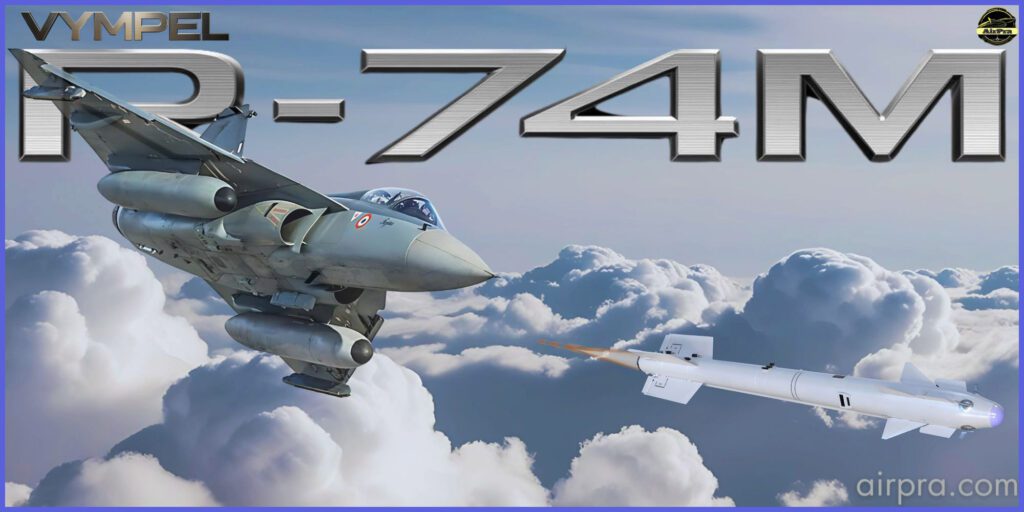
This experience directly influenced the development of new-generation Western missiles, such as the AIM-9X Sidewinder, ASRAAM, and IRIS-T. In short, the R-73 reshaped modern dogfight technology across the world.
Global Reach and Modernisation — The Ongoing Legacy of the R-73
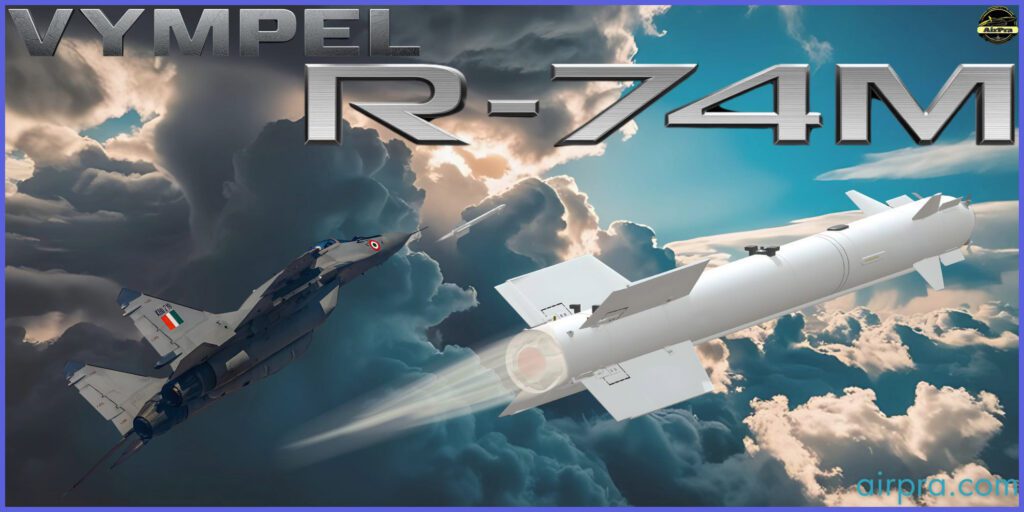
Over the decades, the R-73 has continued to evolve. The improved R-74M variant features a more advanced seeker with a ±75° off-boresight capability, offering better resistance to flares and electronic jamming.
Updated versions also include enhanced cooling systems and two-colour seekers, making them far smarter to overcome countermeasures.
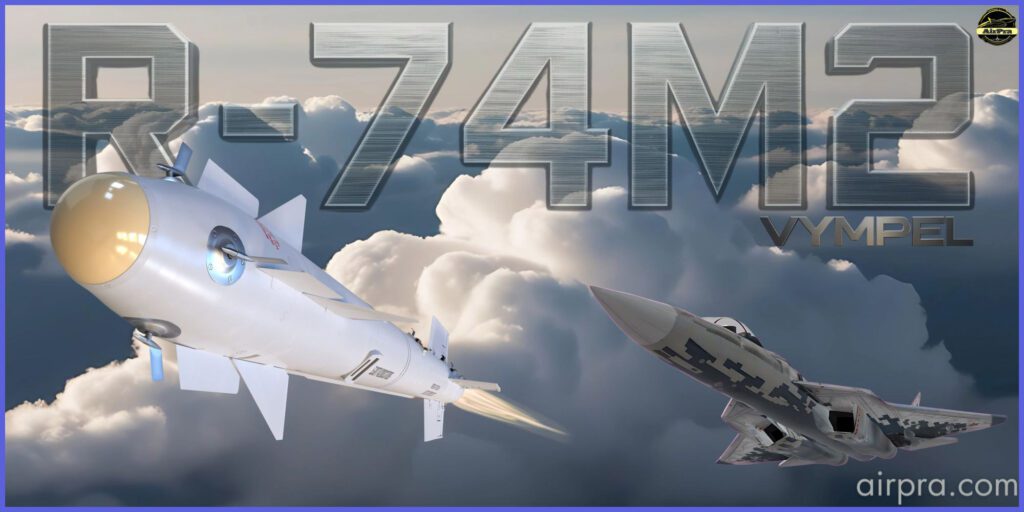
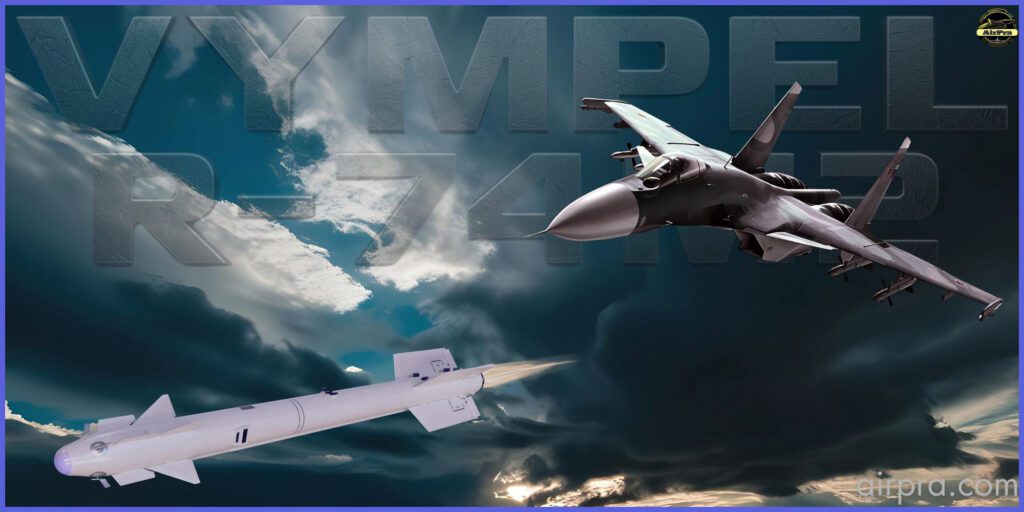
Later came the R-74M2, a further refined version with an increased range of up to 40 km, featuring an inertial navigation system and infrared counter-countermeasure (IRCCM) capability. It also has a reduced radar cross-section, allowing seamless integration with the fifth-generation Su-57 Felon.
All modern variants are now compatible with the latest Russian aircraft, including the Su-35, Su-57, MiG-35, and even various export platforms.
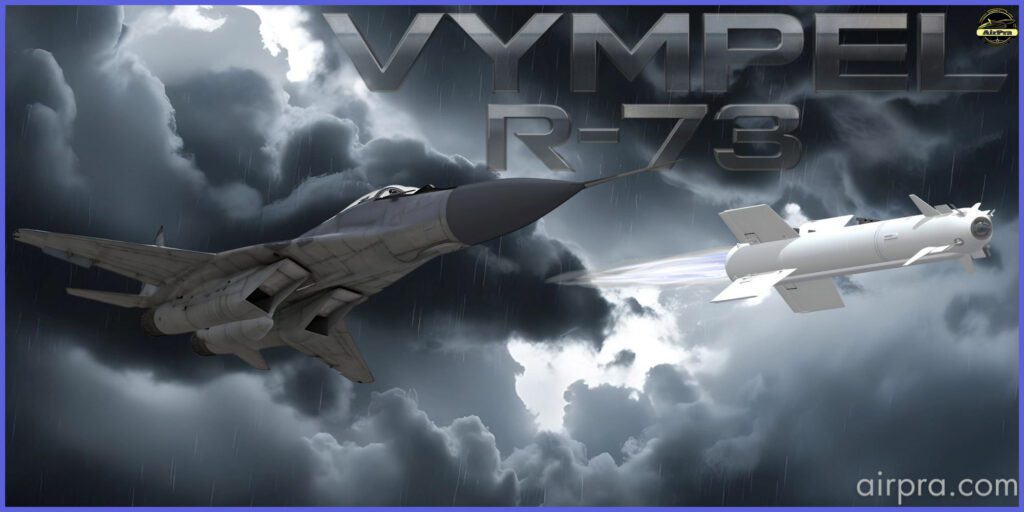
Since its inception, the missile has been exported to numerous countries. For many nations, including India, it became the primary short-range air-to-air weapon for aircraft such as the Su-30MKI, MiG-29UPG, and MiG-29K. Even non-Russian jets, like the Indian-origin Tejas, have been integrated with that.
Its combat-proven reliability and exceptional performance have made it one of the most respected short-range air-to-air missiles in history.
A Quick Message to Our Readers
Some details in our articles may change over time. For the most accurate and up-to-date information, we recommend consulting additional sources.
We’re passionate about providing you with trusted insights into military systems and global developments. Your support helps us continue this work. When you purchase through our affiliate links, you’re helping us grow while receiving high-quality products in return.
Your thoughts matter to us. If there’s a topic or defence system you’d like to learn more about, let us know in the comments—we’ll do our best to cover it. Thank you for being part of our journey. We appreciate your time and interest—happy reading!