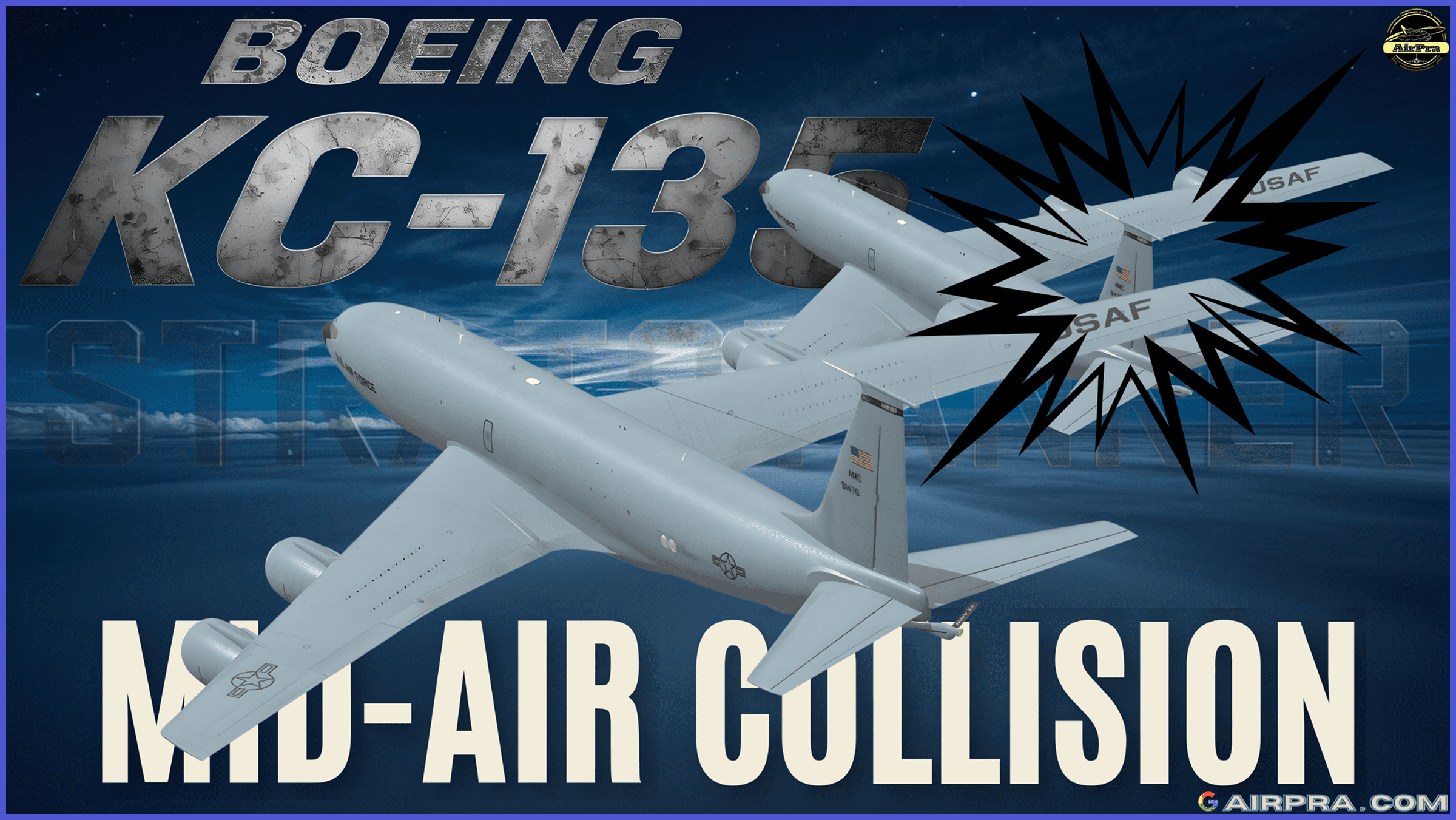
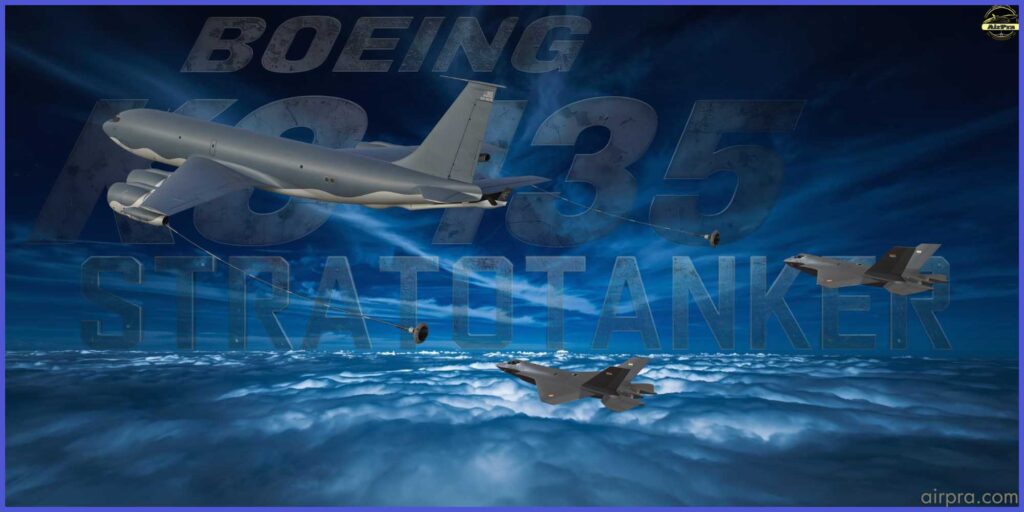
A U.S. Air Force Boeing KC-135 Stratotanker—often called a “flying gas station” by crews—was lost on 12 March 2026 in western Iraq during the ongoing conflict with Iran, under the high-tempo campaign known as Operation Epic Fury. However, the question arises at the very outset: How KC-135s Collided During Operation Epic Fury.
The aircraft was part of a complex aerial refuelling network that operates quietly behind the front lines, yet plays a decisive role in keeping combat aircraft in the fight. On that day, what should have been a routine support mission turned into a rare and tragic incident in military aviation.
In normal operations, KC-135s fly in carefully coordinated patterns, maintaining strict separation while supporting fighters and bombers. During large-scale missions, several tankers may operate along the same refuelling track, often flying at nearly identical speeds but at slightly staggered altitudes.
These formations can stretch across vast distances and are sometimes conducted at night or in poor visibility, where crews rely heavily on instruments, discipline, and precise communication to maintain safe spacing.
Early findings from the investigation suggest that two KC-135s encountered trouble while operating within friendly airspace. During what appears to have been a routine adjustment—possibly a minor repositioning to maintain spacing—one aircraft drifted slightly off its intended path.
In such tightly managed airspace, even a small deviation can quickly become critical. Within seconds, the separation between the two large tankers reduced to a dangerously unsafe margin.
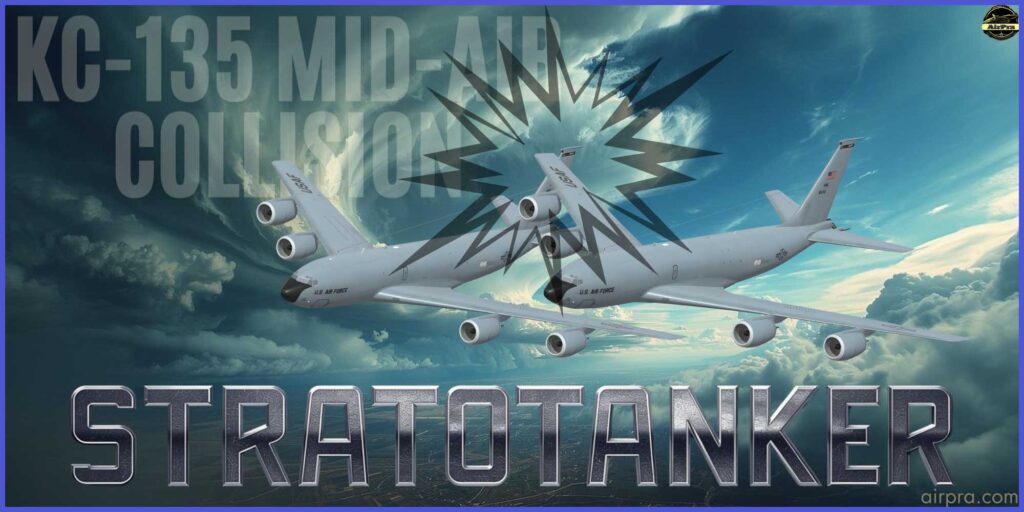
Investigators believe that the massive wing of one aircraft may have collided with the vertical stabiliser of the other. Given the sheer size of the KC-135, even a brief contact can produce catastrophic structural damage.
The impact likely sheared off part of the tail section of one tanker while simultaneously compromising the wing structure—or possibly the fuel systems—of the other aircraft.
Despite the severity of the collision, one of the aircraft appears to have remained marginally controllable. With exceptional skill and composure, its crew may have managed to stabilise the damaged jet and divert it toward a safe landing in Israel.
Such a recovery would have required precise control inputs and constant monitoring, especially with a compromised tail affecting stability and directional control.
The second aircraft, however, was far less fortunate. With critical damage to its wing—responsible for lift and fuel storage—it likely suffered a rapid aerodynamic failure, leaving the crew with little chance to recover before crashing in western Iraq.
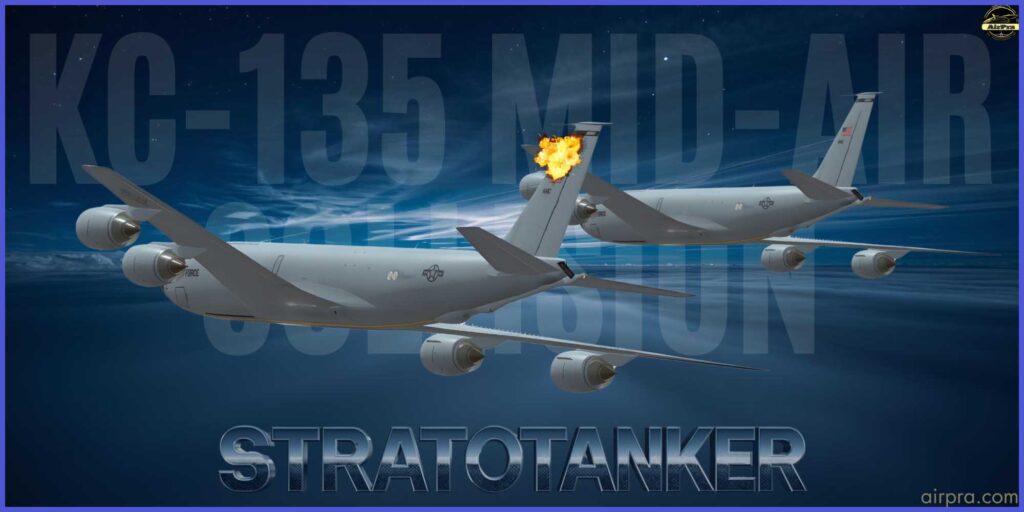
Mid-air collisions involving large military aircraft are extremely uncommon, largely due to strict operational procedures and advanced coordination systems. However, when they do occur, the consequences are often severe.
Aircraft like the KC-135 carry enormous amounts of fuel and operate in close formation environments, making any structural damage immediately life-threatening.
First introduced in 1957, the KC-135 Stratotanker continues to serve as a vital asset in U.S. air operations. It enables fighters, bombers, and surveillance aircraft to remain airborne far longer than their onboard fuel would normally allow.
This endurance capability is a cornerstone of modern air warfare. Incidents like this serve as a stark reminder that even the most experienced crews and proven platforms operate in environments where precision is everything—and where even a momentary deviation can have irreversible consequences.
A Quick Message to Our Readers
Some details in our articles may change over time. For the most accurate and up-to-date information, we recommend consulting additional sources as well.
We’re passionate about providing you with trusted insights into military systems and global developments. Your support helps us continue this work. When you purchase through our affiliate links, you’re helping us grow while receiving high-quality products in return.
Your thoughts matter to us. If there’s a topic or defence system you’d like to learn more about, let us know in the comments—we’ll do our best to cover it.
Thank you for being part of our journey. We appreciate your time and interest—happy reading!