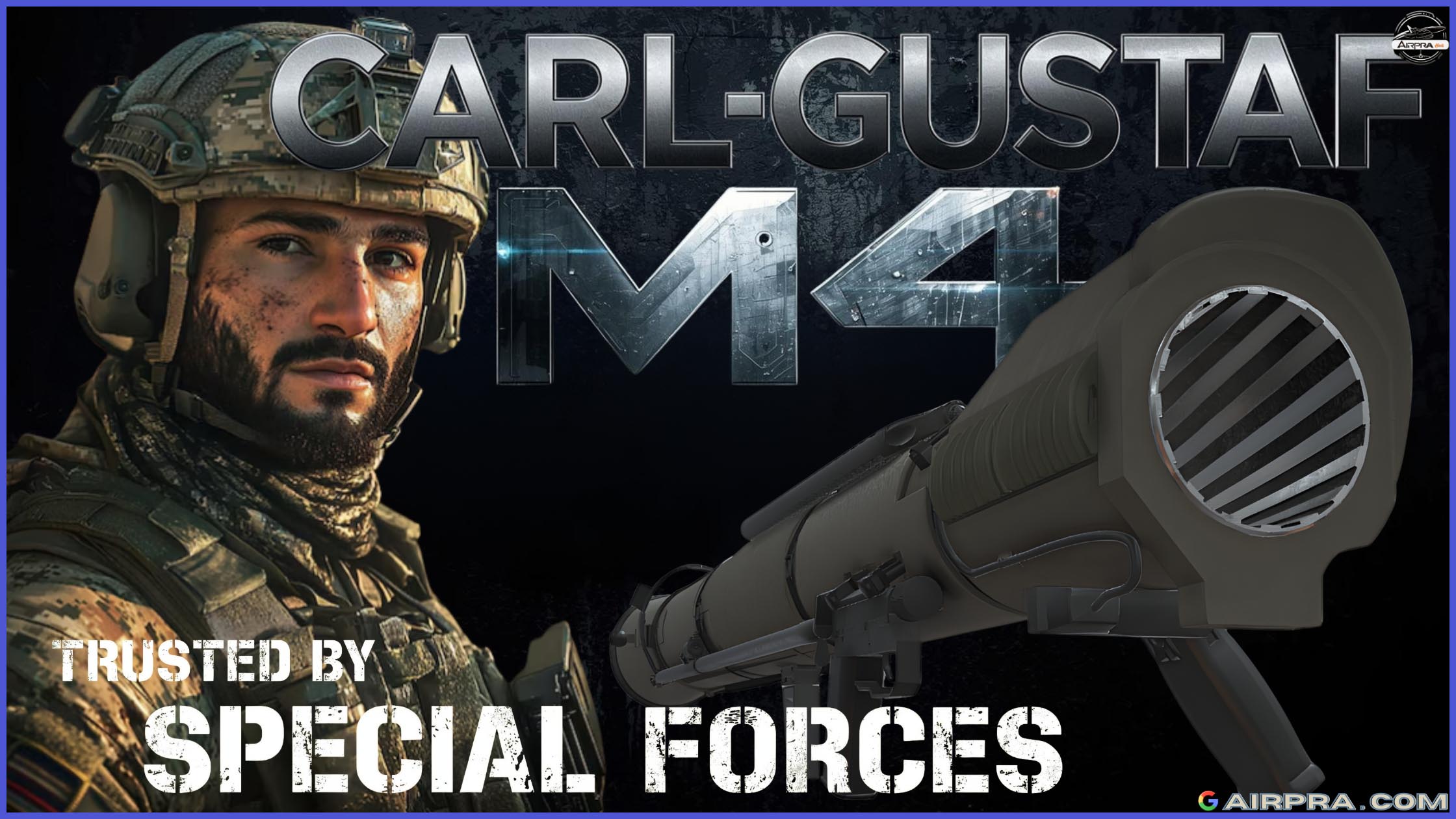
For decades, elite military units around the world have relied on weapons capable of delivering immediate and reliable firepower. The answer to Why Special Forces Trust Carl Gustaf M4 lies in its proven combat record, versatility, lightweight design, and ability to engage a wide range of battlefield targets under demanding conditions.
The Weapon That Refused to Retire… And Continues to Evolve
There are very few infantry weapons in military history that continue to dominate battlefields even after more than seven decades of service. Most military weapons eventually become obsolete as technology advances and new systems replace them.
But one weapon has repeatedly proven that age means nothing when battlefield performance, reliability, and versatility speak for themselves.
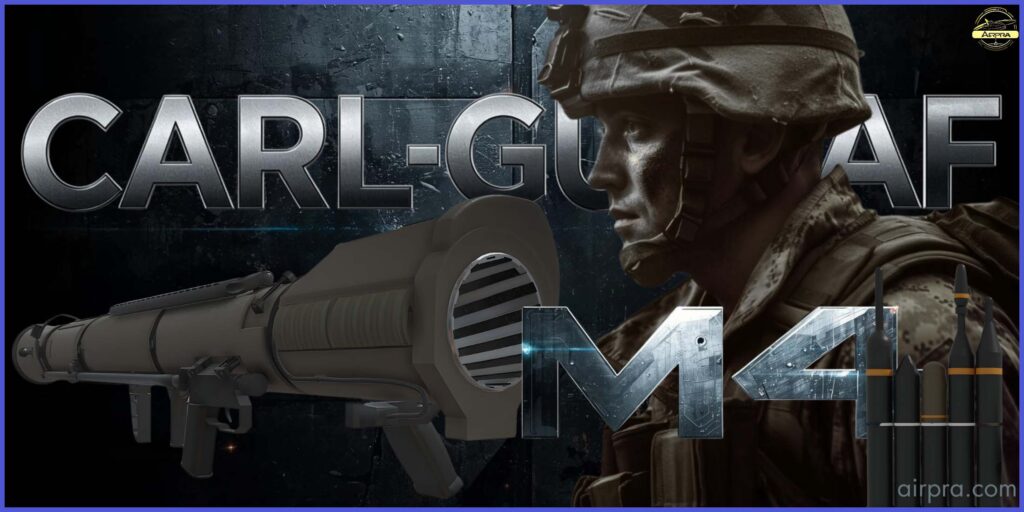
A weapon carried through jungles, deserts, mountains, and urban warzones. A weapon trusted by NATO armies, special forces units, and mountain infantry formations across the world. A weapon that has supported soldiers in some of the most challenging combat environments ever witnessed and helped Indian troops destroy fortified enemy bunkers during the 1999 Kargil War.
This is the story of the legendary Carl Gustaf recoilless rifle. And today, we are going to explore its latest generation—the Carl Gustaf M4, a modernised variant designed to meet the demands of twenty-first-century warfare while preserving the battlefield-proven strengths that made the weapon famous.
Originally developed in Sweden after the Second World War, the Carl Gustaf became one of the most successful reusable infantry support weapons ever created.
Over the decades, this powerful 84 mm recoilless rifle has built an impressive combat record, seeing action in conflicts such as the Congo Crisis, the Falklands War, the Gulf War, the Iraq War, the Mexican Drug War, the War in Afghanistan (2001–2021), the Russia–Ukraine War, and the Kargil War of 1999.
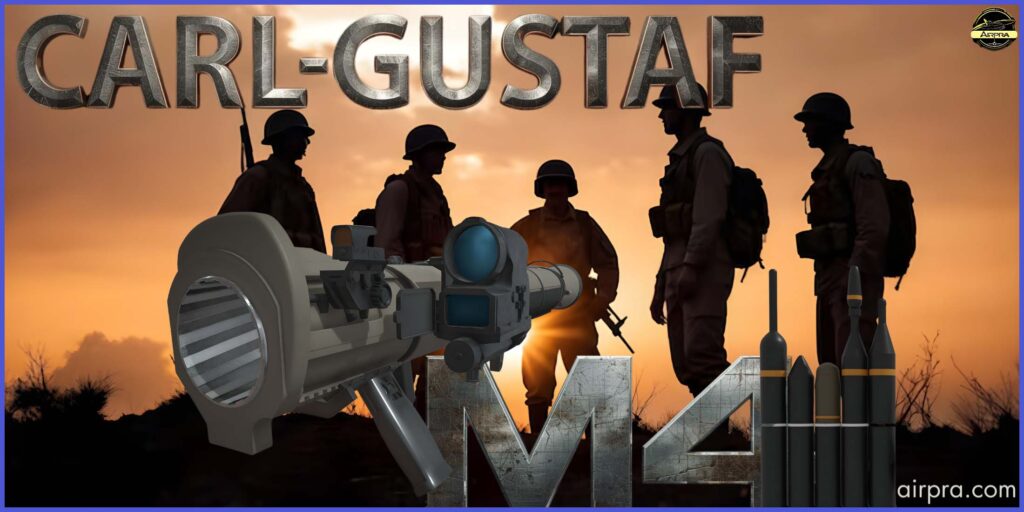
Even today, despite the emergence of high-tech drones, loitering munitions, and precision-guided missiles, the Carl Gustaf remains one of the deadliest and most versatile shoulder-fired infantry support weapons on the modern battlefield.
Its continued relevance is a testament to its adaptability, combat effectiveness, and the confidence that soldiers around the world continue to place in this legendary weapon system.
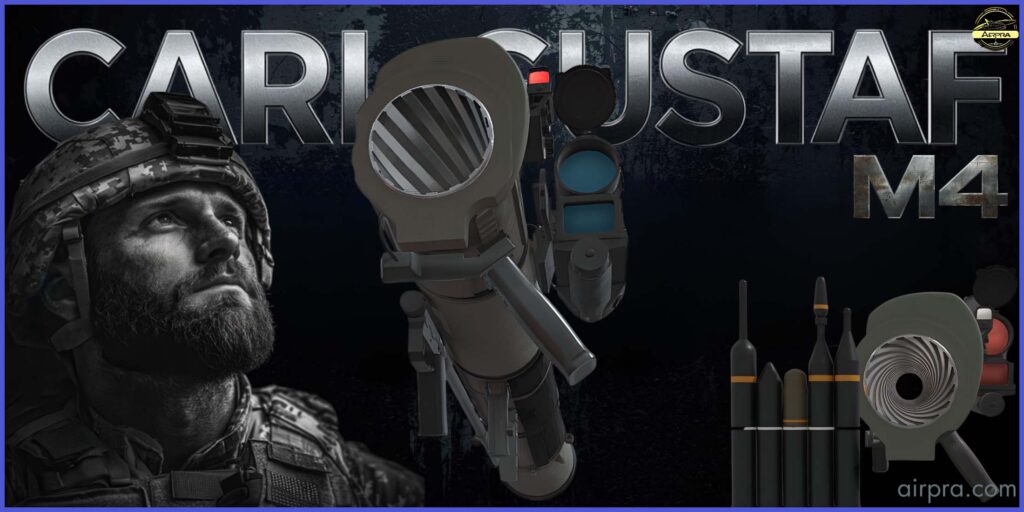
Global Operators — Trusted by Armies Across the World
One of the biggest reasons behind Carl Gustaf’s legendary reputation is the sheer number of countries that operate it. Few infantry support weapons have achieved such widespread international adoption. Today, more than 40 nations use different variants of the system, making it one of the most widely deployed reusable recoilless rifles in the world.
Countries such as India, the United States, the United Kingdom, Sweden, the United Arab Emirates, Australia, Canada, Austria, Germany, Poland, Brazil, Indonesia, Thailand, Estonia, Lithuania, Greece, Ireland, Israel, and Norway—along with numerous NATO and non-NATO members—continue to deploy the weapon in active military service.
Its widespread adoption reflects decades of proven combat performance, reliability, and operational flexibility across a variety of military environments.
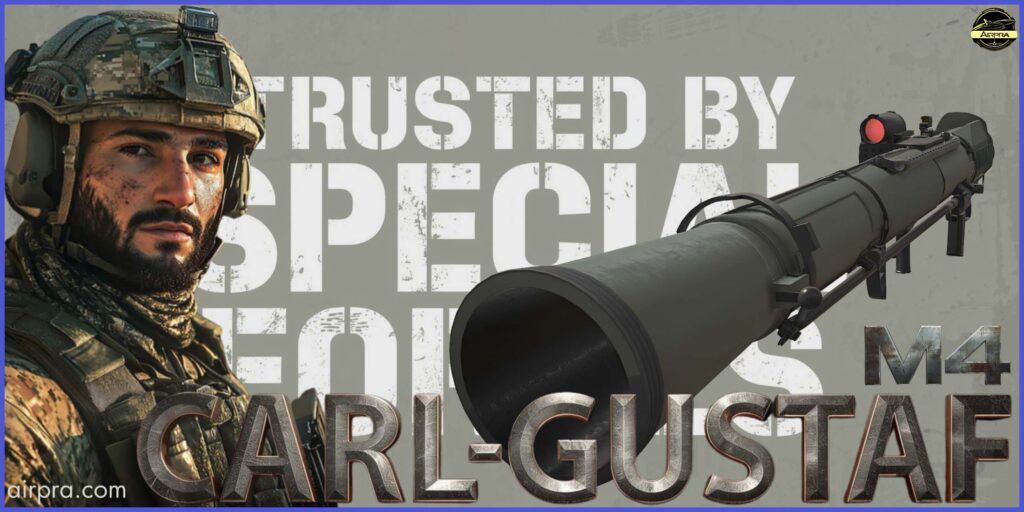
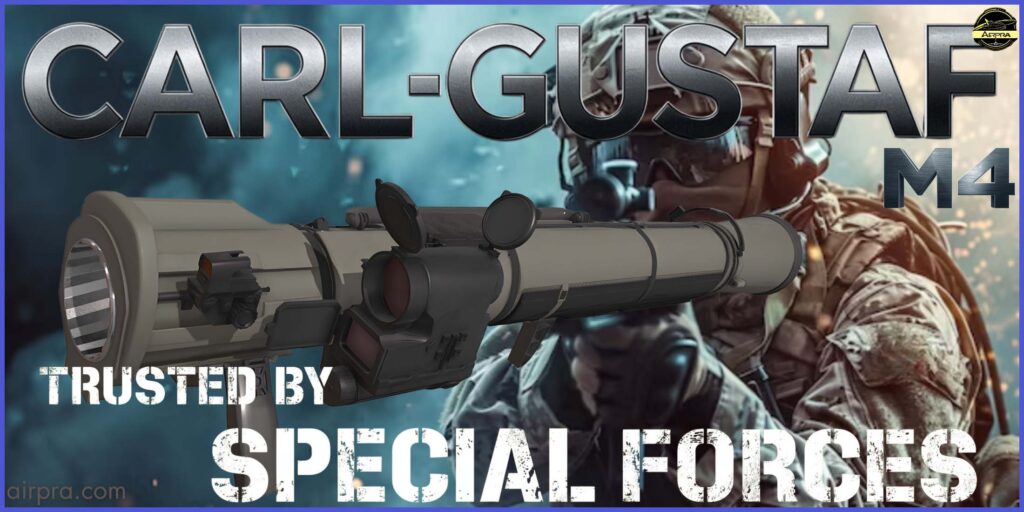
Even elite special forces units around the world continue to prefer the Carl Gustaf because it delivers something extremely important in combat—immediate and devastating firepower without relying entirely on expensive guided missile systems. This combination of portability, versatility, and striking power makes it particularly valuable during fast-moving combat operations where rapid engagement is critical.
Whether soldiers are fighting in urban environments, rugged mountains, dense forests, or open deserts, the Carl Gustaf enables infantry units to engage and destroy bunkers, enemy strongpoints, light armoured vehicles, fortified structures, and other battlefield threats.
All of this can be achieved with a highly mobile, shoulder-fired weapon system that can be rapidly deployed wherever infantry forces operate.
What Exactly Is the Carl Gustaf M4?
The Carl Gustaf is officially classified as a recoilless rifle. Unlike traditional rocket launchers, this weapon uses a recoilless firing mechanism in which propellant gases are vented rearward through the launcher during firing, significantly reducing recoil.
This allows soldiers to fire powerful ammunition from the shoulder without experiencing the heavy recoil normally associated with large-calibre weapon systems. As a result, infantry units can carry substantial firepower while remaining highly mobile on the battlefield.
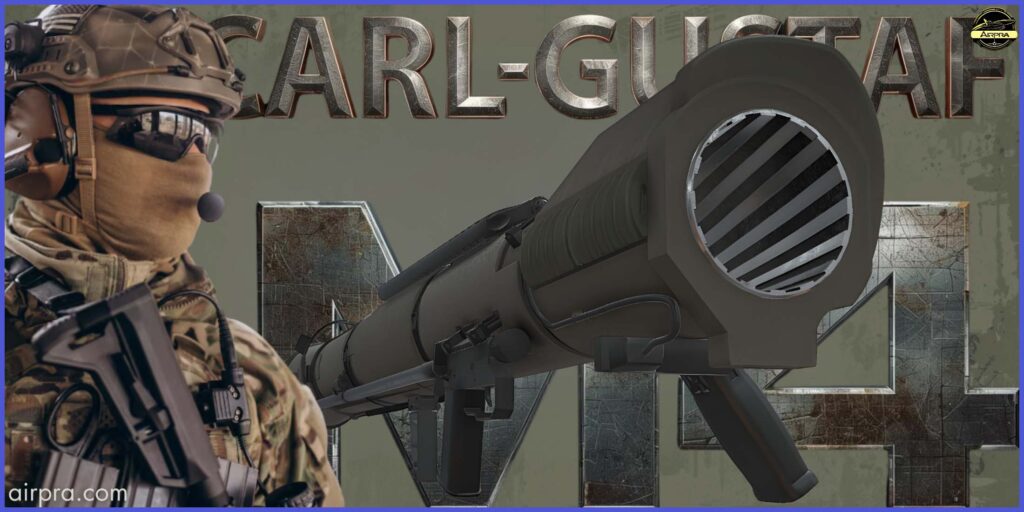
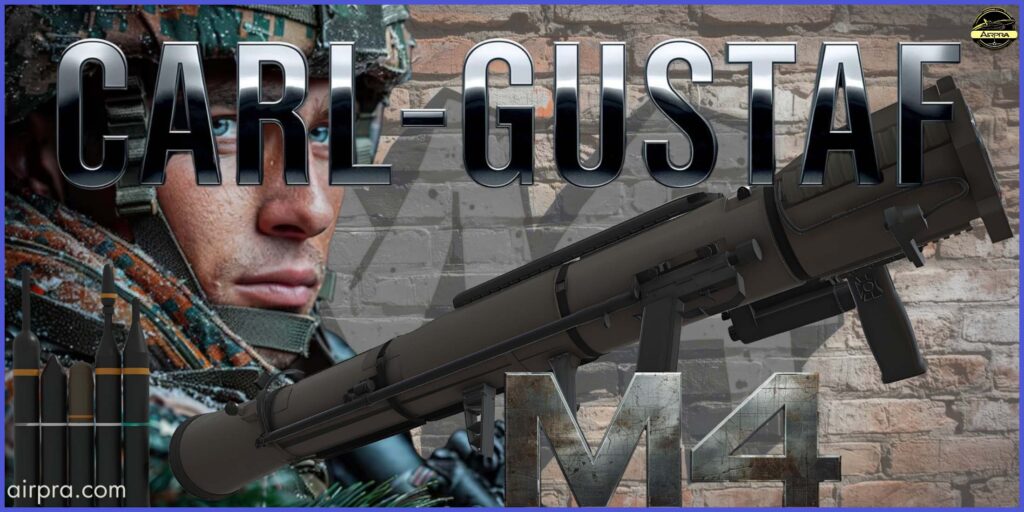
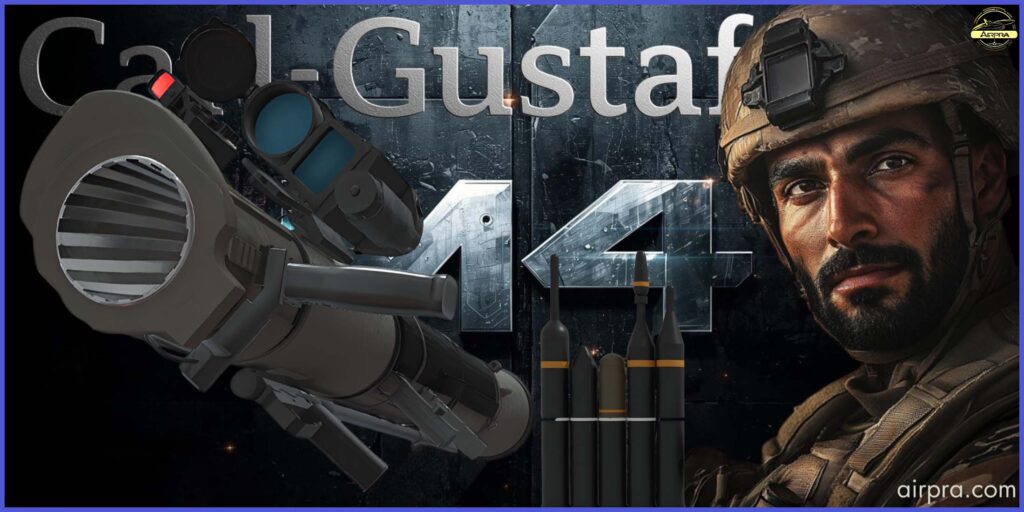
The latest and most advanced version currently in service is the Carl Gustaf M4. Compared to earlier variants, the M4 is lighter, more technologically advanced, and better suited to the demands of modern warfare.
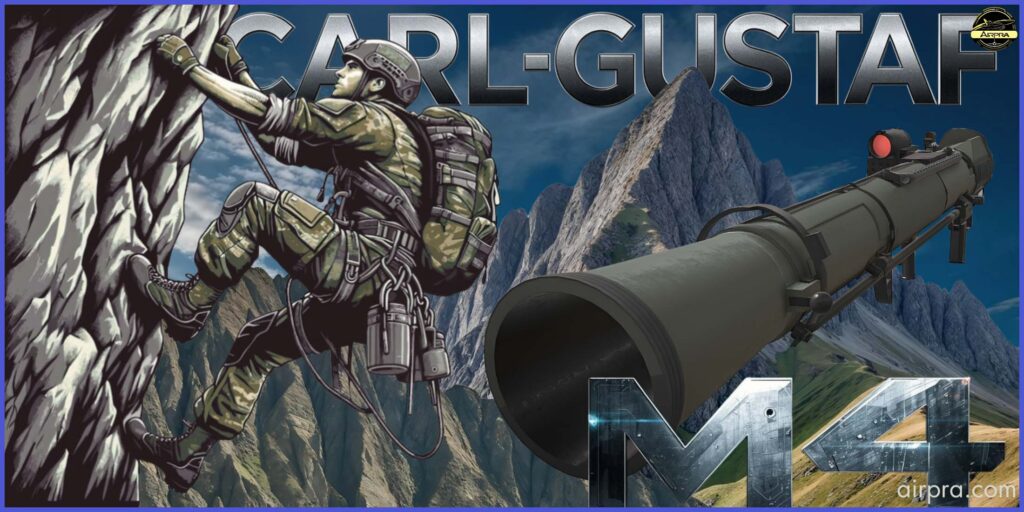
The weapon weighs approximately 6.6 kilograms thanks to the use of titanium components and carbon-fibre materials. This weight reduction is particularly valuable for troops operating in mountainous terrain, high-altitude regions, and urban combat environments where mobility is critical.
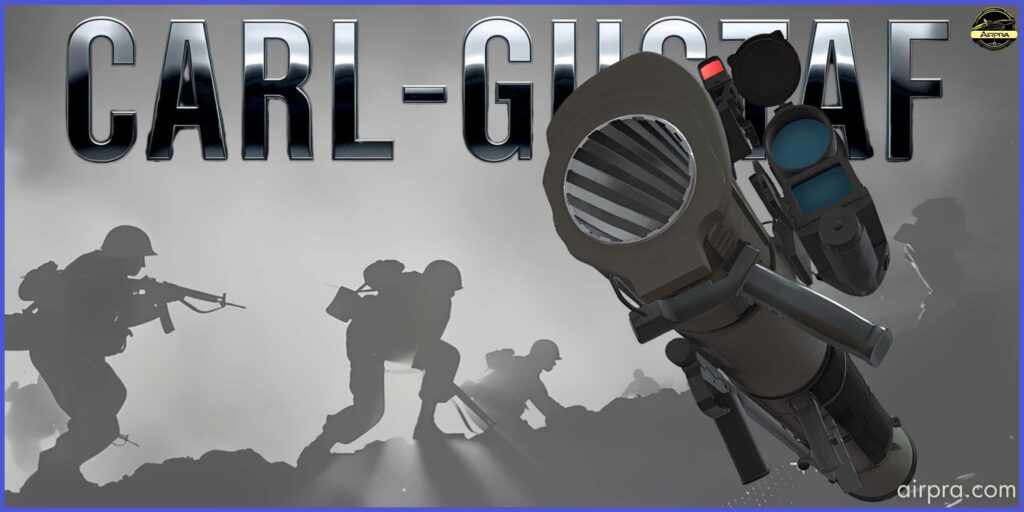
The M4 also features compatibility with modern optics, improved ergonomics, support for programmable ammunition, and integration with advanced fire-control systems. In simple terms, the Carl Gustaf M4 is no longer just an anti-armour weapon—it has evolved into a highly versatile multi-role battlefield system capable of engaging a wide variety of targets.
Development History — From M1 to M4
The journey of the Carl Gustaf began in 1948 with the introduction of the original M1 variant in Sweden. This version used heavy steel construction but offered tremendous battlefield firepower.
Then came the M2 variant during the 1960s, which reduced weight and improved operational mobility. This version became extremely popular internationally and was widely exported.
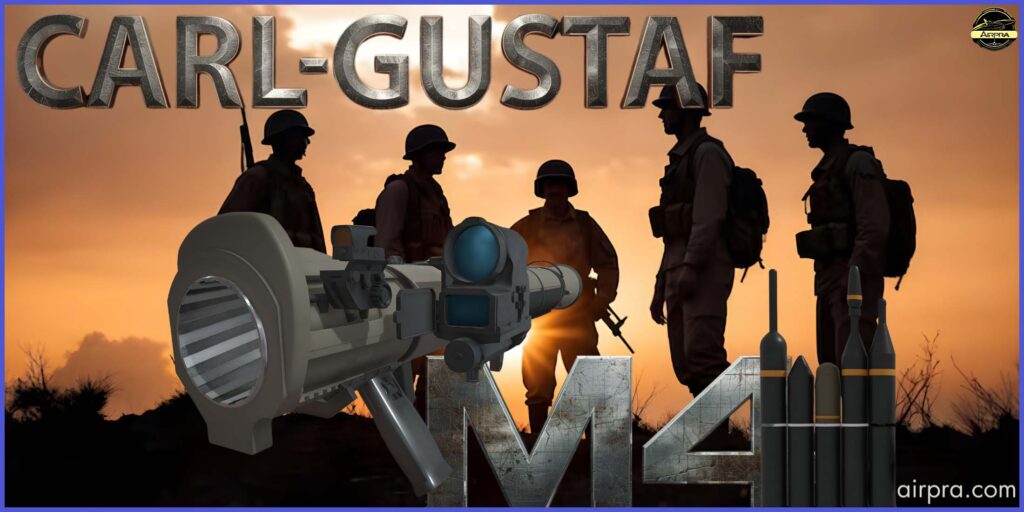
The next major evolution arrived in the 1990s with the M3 variant. Saab introduced lighter materials, improved sighting systems, and greater operational flexibility. This version became highly successful with NATO forces and special operations units.
Finally, in 2014, Saab introduced the Carl Gustaf M4. This variant represented decades of battlefield experience combined into a single system.
Service with the Indian Army — From the 1970s to Kargil and Beyond
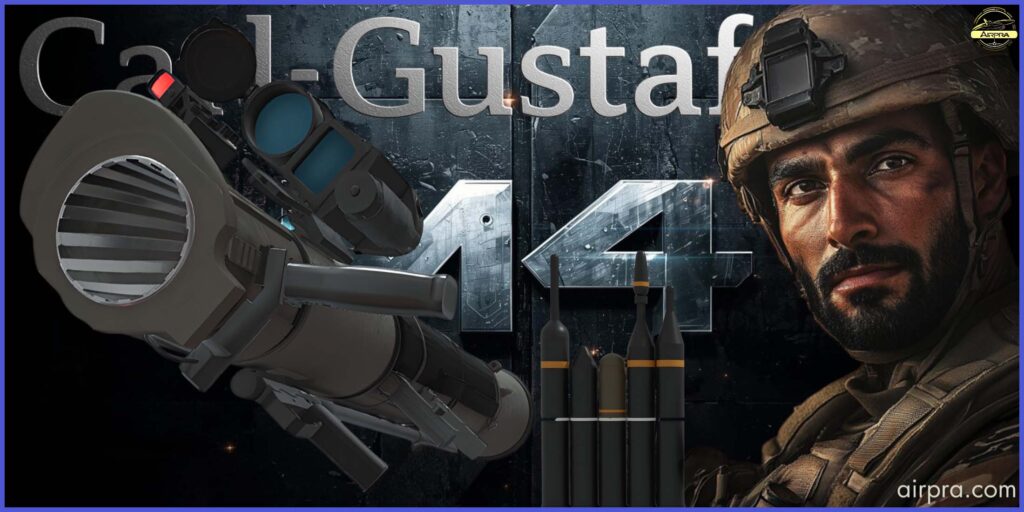
The Indian Army began operating Carl Gustaf systems during the 1970s. Over time, the weapon became one of the most trusted infantry support systems within Indian infantry battalions.
Indian troops used the Carl Gustaf in counter-insurgency operations, mountain warfare missions, and border conflicts for decades. But one of its most important combat roles came during the 1999 Kargil War.
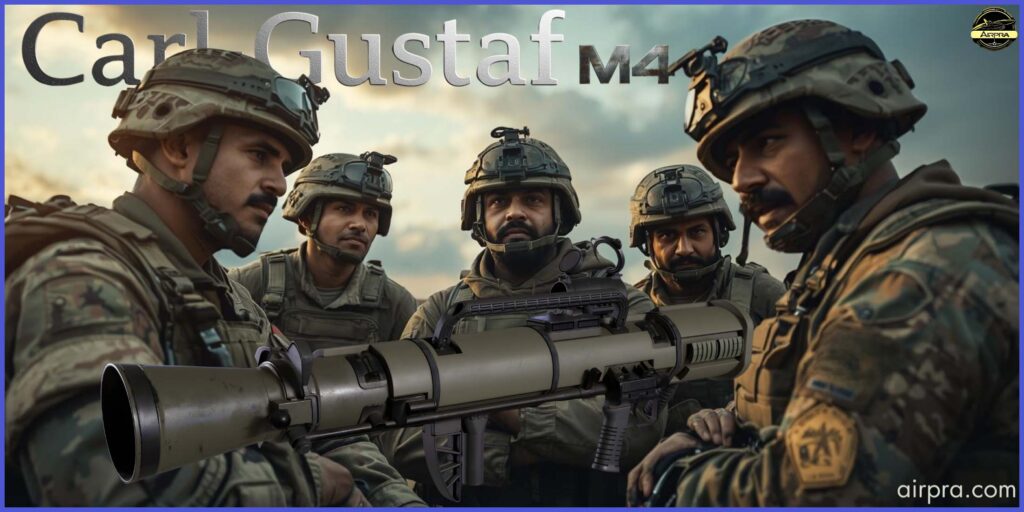
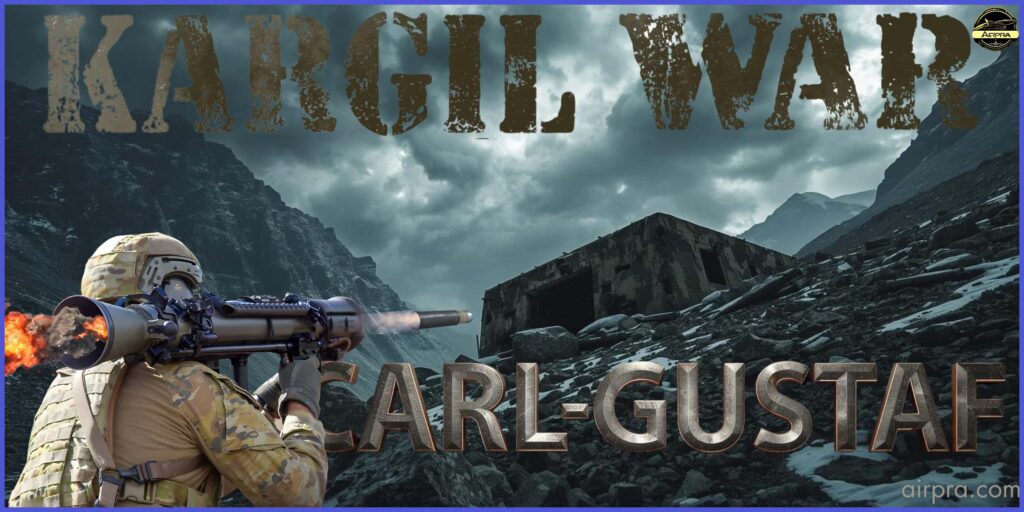
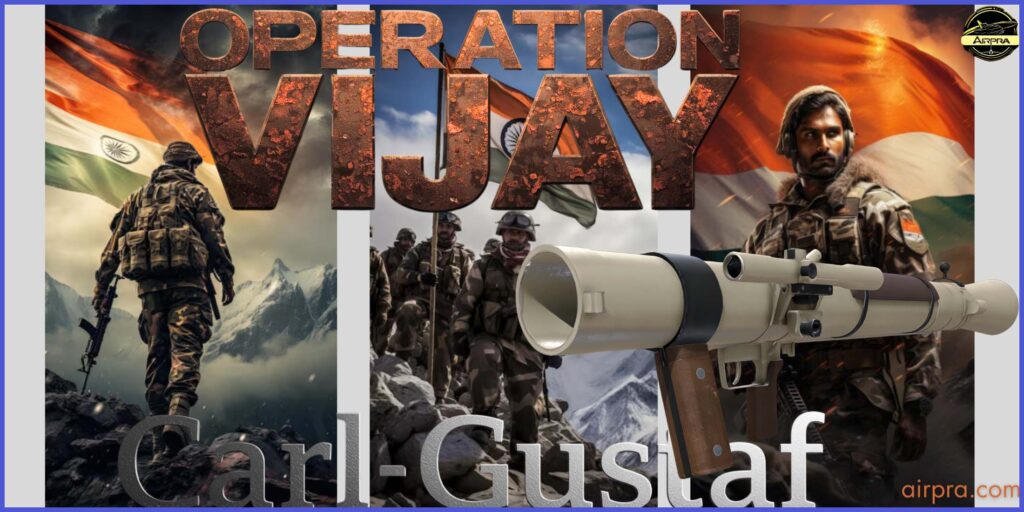
During Operation Vijay, Pakistani troops occupied fortified sangars and bunkers positioned on steep mountain ridgelines such as Tiger Hill, Tololing, and Point 4875. Indian soldiers had to climb uphill under direct machine-gun fire in freezing temperatures while carrying heavy combat equipment. And in those brutal conditions, the Carl Gustaf proved highly effective.
The weapon was extensively used to destroy enemy bunkers, fortified positions, and machine-gun nests hidden behind rocks and mountain ridges. Its portability allowed assault teams to carry powerful direct-fire bunker-destroying capability even during difficult mountain climbs. Today, the Indian Army continues operating newer Carl Gustaf variants, including the advanced M4 system.
Specifications, Operation, and Safety Process
The Carl Gustaf M4 uses an 84 mm calibre launcher and is usually operated by a two-man crew, although it can also be fired by a single operator if necessary. The M4 variant weighs approximately 6.6 kg (15 lb) and has an overall length of 950 mm (37 inches). The weapon can fire up to six rounds per minute under combat conditions.
The system can engage stationary targets at ranges beyond 1,000 meters, depending on the ammunition and optics used. Its effective combat range typically varies between 350 and 800 meters. However, one of the most important aspects of operating the Carl Gustaf is safety.
Because the weapon vents massive propellant gases backwards during firing, an extremely dangerous backblast zone forms behind the launcher. Before firing, soldiers must ensure that no friendly personnel, walls, ammunition, or obstacles are positioned behind the weapon.
That is why one crew member always faces the opposite direction to monitor the backblast area. This is also why Carl Gustaf crews undergo extensive safety training before deployment.
Ammunition Types — The Real Power of the System
What truly makes the Carl Gustaf dangerous is its massive variety of ammunition. The HEAT round, or High Explosive Anti-Tank ammunition, is designed to destroy armoured vehicles using shaped-charge penetration technology.
The HEDP round, or High Explosive Dual Purpose ammunition, can engage both Anti-structures and light armoured targets simultaneously. The High Explosive anti-personnel round is used against enemy troops and defensive positions.
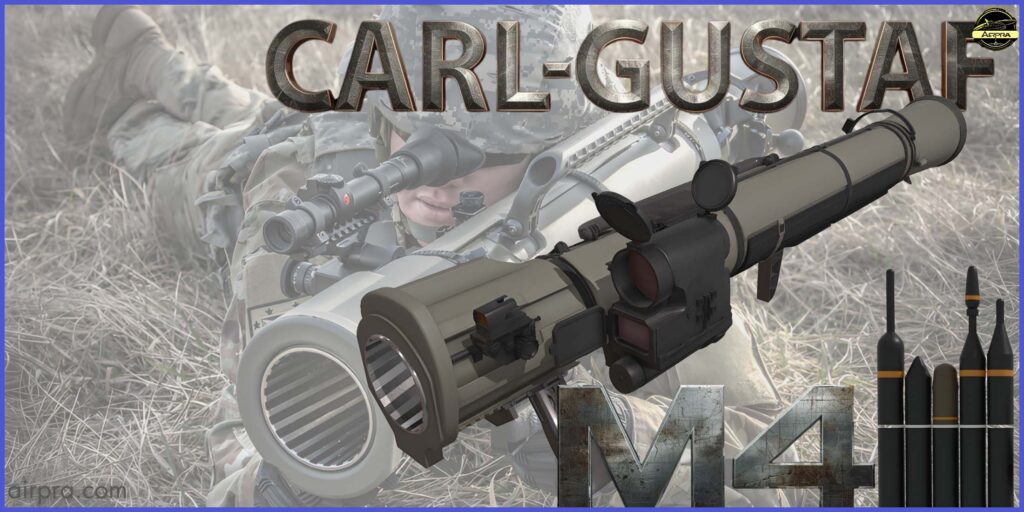
Smoke rounds provide battlefield concealment for infantry movement. Illumination rounds can light up large combat zones during nighttime operations.
Modern programmable airburst ammunition allows the weapon to eliminate enemies hiding behind rocks, trenches, or walls by detonating above the target area. This incredible flexibility is one of the biggest reasons why the Carl Gustaf remains operational even 70 years after its inception.
Manufacturing in India — The Future of the Carl Gustaf
On 4 March 2024, Swedish defence company Saab marked the beginning of construction of a new Carl Gustaf manufacturing facility in India. Operated by Saab FFVO India, the factory is being established in Jhajjar, Haryana, and will become the first Carl Gustaf production facility outside Sweden.
The plant will manufacture the latest Carl Gustaf M4 weapon system and further strengthen Saab’s long-standing partnership with the Indian defence sector.
This development is strategically important because the Indian Army operates large numbers of Carl Gustaf systems across infantry battalions, mountain warfare formations, and special forces units.
Having a domestic production facility will help ensure a more reliable supply of weapons, components, and future upgrades while supporting the operational requirements of the Indian Armed Forces.
Local manufacturing is also expected to improve operational availability, strengthen logistics support, and reduce long-term dependence on overseas production. At the same time, the project aligns with India’s growing defence manufacturing ecosystem and the broader “Make in India” initiative, contributing to greater self-reliance in critical military equipment.
Endgame Analysis
Battlefields continue to evolve at a rapid pace. Drones are transforming the way wars are fought, precision-guided weapons are becoming more accurate, and artificial intelligence is increasingly finding its way into modern combat systems.
Yet despite these technological advancements, infantry soldiers still require one thing above all else—immediate, reliable, and portable firepower that can be brought into action whenever and wherever it is needed.
And that is precisely why the Carl Gustaf continues to remain relevant generation after generation. Its combination of mobility, versatility, and proven battlefield effectiveness has allowed it to adapt to changing forms of warfare while continuing to serve as one of the most trusted infantry support weapons in the world.
A Quick Message to Our Readers
Some details in our articles may change over time. For the most accurate and up-to-date information, we recommend consulting additional sources.
We’re passionate about providing you with trusted insights into military systems and global developments. Your support helps us continue this work. When you purchase through our affiliate links, you’re helping us grow while receiving high-quality products in return.
Your thoughts matter to us. If there’s a topic or defence system you’d like to learn more about, let us know in the comments—we’ll do our best to cover it. Thank you for being part of our journey. We appreciate your time and interest—happy reading!